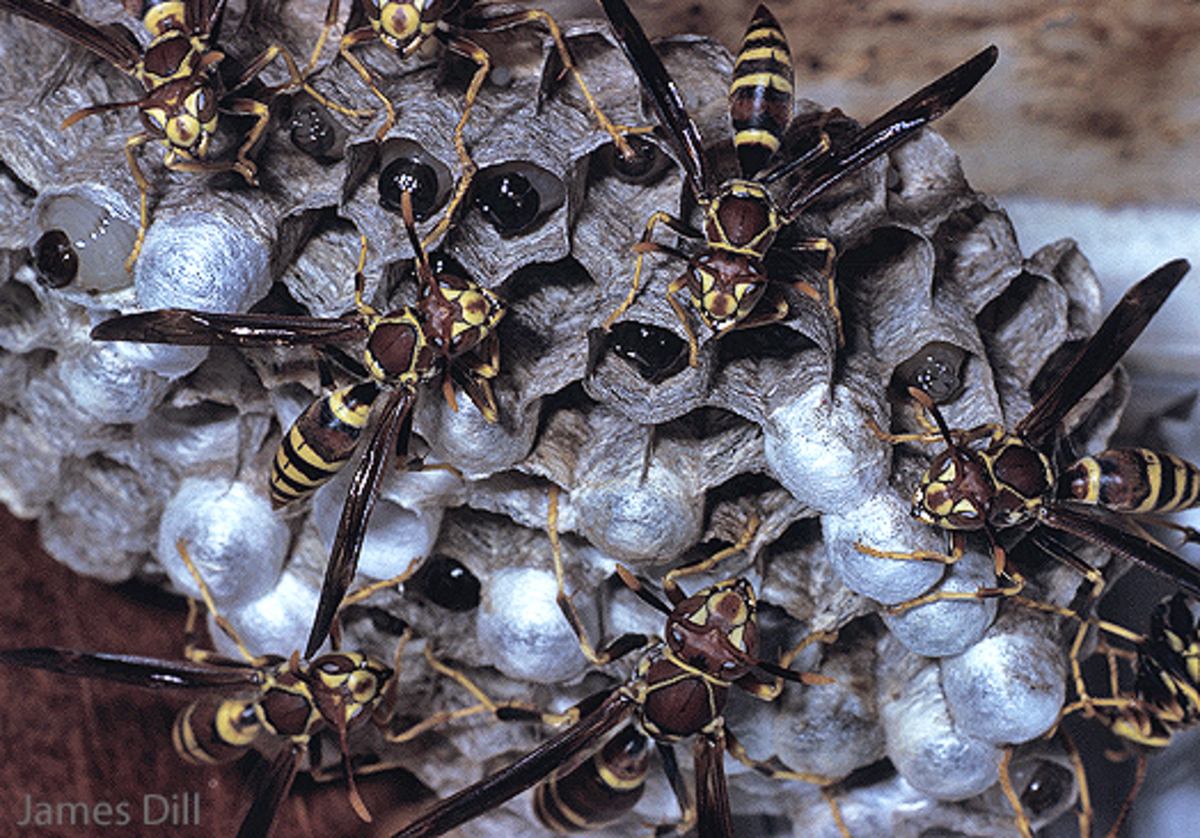
The perception of wasps as pests is undergoing a transformation, thanks to ongoing research and personal experiences. Madison Pflugbeil, a third-year student at the University of Maine, has recently shifted her perspective after overcoming her fear of insects. As she embarks on a career in entomology, Pflugbeil highlights the important roles these creatures play in our ecosystems.
During summer months, wasps often become an unwelcome presence at outdoor events and gatherings. They buzz around picnics and barbecues, leading many to view them primarily as nuisances. Yet, a deeper understanding reveals that these insects contribute significantly to both the environment and human health.
The Ecological Role of Wasps
Wasps are vital participants in maintaining ecological balance. Among the hundreds of thousands of species, only a small fraction are aggressive. Many wasps are solitary and tend not to sting unless they feel threatened. Their primary role in the ecosystem involves controlling pest populations. For instance, certain solitary wasps are parasitoids, laying their eggs on or in pests like aphids and cabbage caterpillars. This natural pest control removes harmful insects from plants, promoting healthier gardens and crops.
In addition to pest management, wasps contribute to pollination. As they move from flower to flower, searching for nectar, they inadvertently facilitate the reproduction of many plants. Notably, thousands of fig species depend on specialist fig wasps for their pollination. Some orchids have even evolved to mimic wasp pheromones to attract these pollinators, showcasing the complex relationships between different species.
Wasp Venom: A Potential Medical Marvel
Beyond their ecological contributions, wasps possess venom that has garnered attention in the medical field. Each species has a unique venom composition, which researchers are exploring for potential therapeutic applications. While stings are often associated with pain and swelling, studies suggest that certain components of wasp venom may help alleviate conditions such as arthritis.
As the medical community increasingly faces challenges from drug-resistant diseases, wasp venom is emerging as a promising avenue for treatment. Researchers are investigating its potential in combating autoimmune diseases and certain types of cancer, signaling a shift in how these insects are perceived.
Wasps also exhibit remarkable diversity, existing in various shapes and colors. From the iridescent hues of cuckoo wasps to the tiny fairy wasps, the variety within this group is astounding. Even creatures like velvet ants, which resemble small pandas, fall under the wasp classification. This diversity highlights the importance of wasps beyond their sting, showcasing their fascinating adaptations and roles in nature.
It is essential to recognize that while wasps can pose dangers, particularly to those allergic to their stings, they also play crucial ecological and medical roles. As Pflugbeil suggests, understanding their significance may encourage a more balanced perspective. Instead of viewing them solely as pests, it is worth considering the broader context of their existence. By appreciating these insects, we may foster a greater respect for the intricate web of life in which they play a part.
In summary, wasps are far more than mere summer nuisances. They are key players in pest control, essential pollinators, and potential medical resources, deserving a second chance in how we perceive them. As we navigate the warm months ahead, a shift in attitude towards wasps could enhance our appreciation for the natural world.