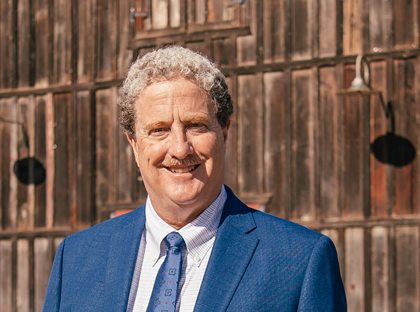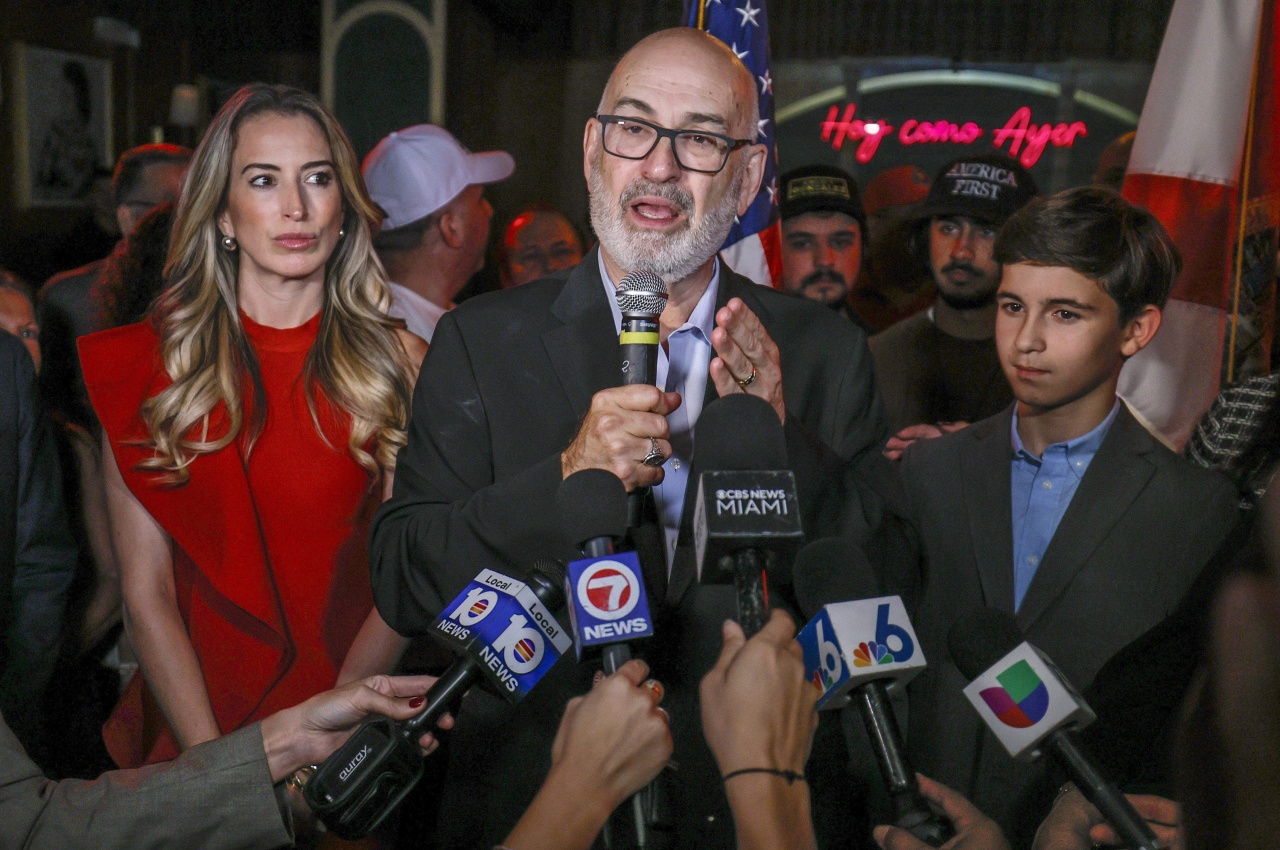
The ongoing political landscape in the United States continues to be shaped by the survival of individuals closely aligned with former President Donald Trump. One notable figure is Paul Ingrassia, whose tenure in a prominent role within the White House reflects how personal loyalty and ideological alignment can overshadow other concerns, particularly in the context of recent controversies related to Trump’s administration.
Ingrassia’s journey through the tumultuous political environment has been marked by his steadfast allegiance to Trump, especially during moments of crisis. Following the events of January 6, 2021, when a mob stormed the U.S. Capitol, many within the Republican Party faced scrutiny for their connections to Trump. Despite this, Ingrassia managed to maintain his position, demonstrating a resilience that seems rooted in the administration’s culture of loyalty.
Ideological Loyalty Over Accountability
Ingrassia’s ability to navigate political fallout provides a glimpse into the dynamics at play within Trump’s circle. His survival is emblematic of a broader trend where ideological loyalty can take precedence over ethical considerations. This phenomenon raises questions about the implications for accountability within the political sphere.
Reports indicate that Ingrassia has been involved in discussions surrounding the handling of sensitive materials at the National Archives. Such matters have sparked significant debate regarding transparency and governance. Yet, Ingrassia’s continued presence suggests that loyalty to Trump may mitigate the risks associated with such controversies.
The Republican Party, grappling with its identity in the post-Trump era, faces challenges reconciling traditional values with the loyalty demonstrated by figures like Ingrassia. As the party navigates its future, the influence of Trump and his loyalists remains a critical factor.
Public Perception and the Future
Public perception of Trump’s loyalists is complex. While some view them as steadfast supporters of a controversial figure, others express concern over their resistance to accountability. Ingrassia’s case illustrates the tension between personal loyalty and the expectations of public service.
The ongoing investigation into the events surrounding January 6 continues to unfold, with implications for many individuals connected to Trump. As these developments progress, the political landscape remains uncertain. Ingrassia’s experience could serve as a case study for how loyalty can influence political careers in the current era.
In summary, the trajectory of Paul Ingrassia within Trump’s administration highlights the significant role that personal loyalty plays in politics today. As the Republican Party seeks to define itself moving forward, the loyalty of figures like Ingrassia may shape its direction and influence public trust in governance.