An 8-year-old boy in Taiwan, who was classified as overweight with a body mass index of 27, was diagnosed with an acute gout attack after his family noticed he was limping. This unexpected diagnosis also revealed several chronic health issues, highlighting a worrying trend: gout, traditionally seen as a condition affecting older adults, is increasingly being diagnosed in younger populations.
According to a study published in The Lancet Rheumatology, the global prevalence of gout is projected to increase by more than 70 percent between 2020 and 2050. This alarming statistic points to the need for greater awareness and understanding of gout, particularly among younger individuals.
Understanding Gout in Youth
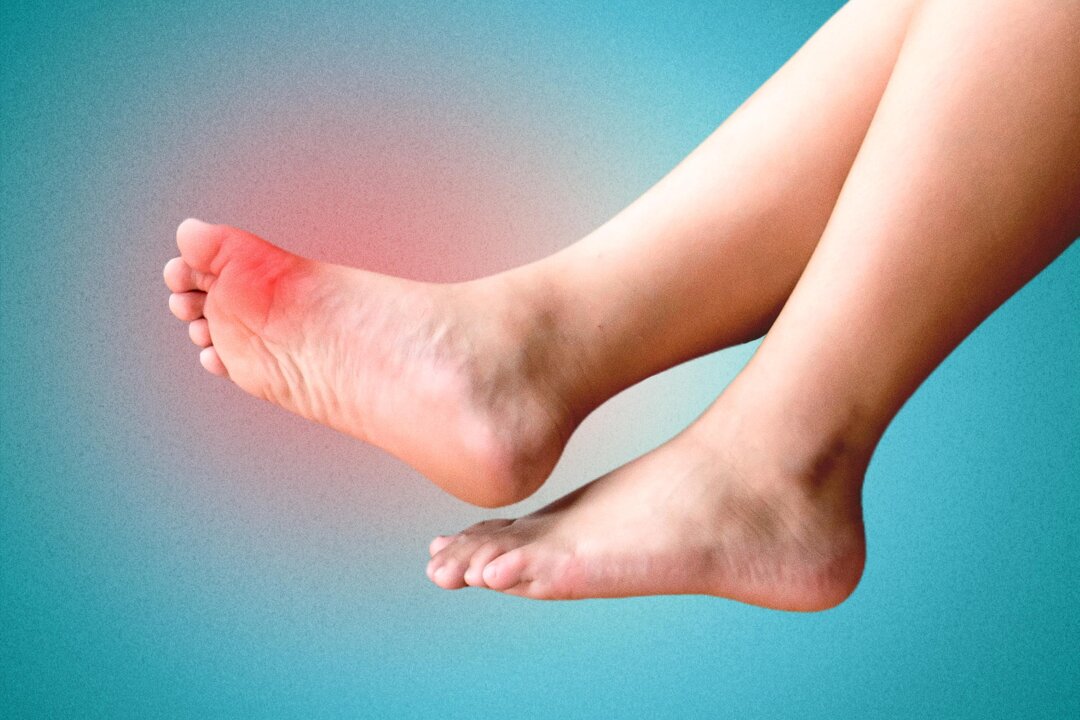
Gout is characterized by sudden and severe pain, often affecting the big toe. Symptoms typically manifest as intense burning, heat, swelling, and extreme discomfort. The attacks frequently occur at night or in the early hours of the morning, catching individuals off guard.
The condition arises due to elevated levels of uric acid in the blood, which can form crystals in the joints, leading to inflammation and pain. Factors contributing to this increase in gout cases among younger people include obesity, dietary choices, and lifestyle factors such as physical inactivity.
Effective Strategies for Relief and Management
For those experiencing gout attacks, immediate pain relief is a priority. Nonsteroidal anti-inflammatory drugs (NSAIDs) are often recommended as a first-line treatment. These medications can help reduce inflammation and alleviate pain during an acute attack.
In addition to medication, several natural remedies may assist in managing gout symptoms and maintaining uric acid balance. Staying well-hydrated is crucial, as adequate water intake can help flush uric acid from the body. Dietary changes, such as reducing purine-rich foods like red meats and seafood, can also be beneficial. Incorporating more fruits, vegetables, and whole grains may support overall health and reduce the likelihood of future attacks.
The rise in gout cases among younger populations underscores the importance of preventive measures, including maintaining a healthy weight and adopting a balanced diet. Public health initiatives aimed at educating families about the risks associated with obesity and poor dietary habits may play a vital role in addressing this emerging health issue.
As medical professionals continue to grapple with the implications of this trend, awareness and proactive management remain essential for improving the quality of life for those affected by gout.