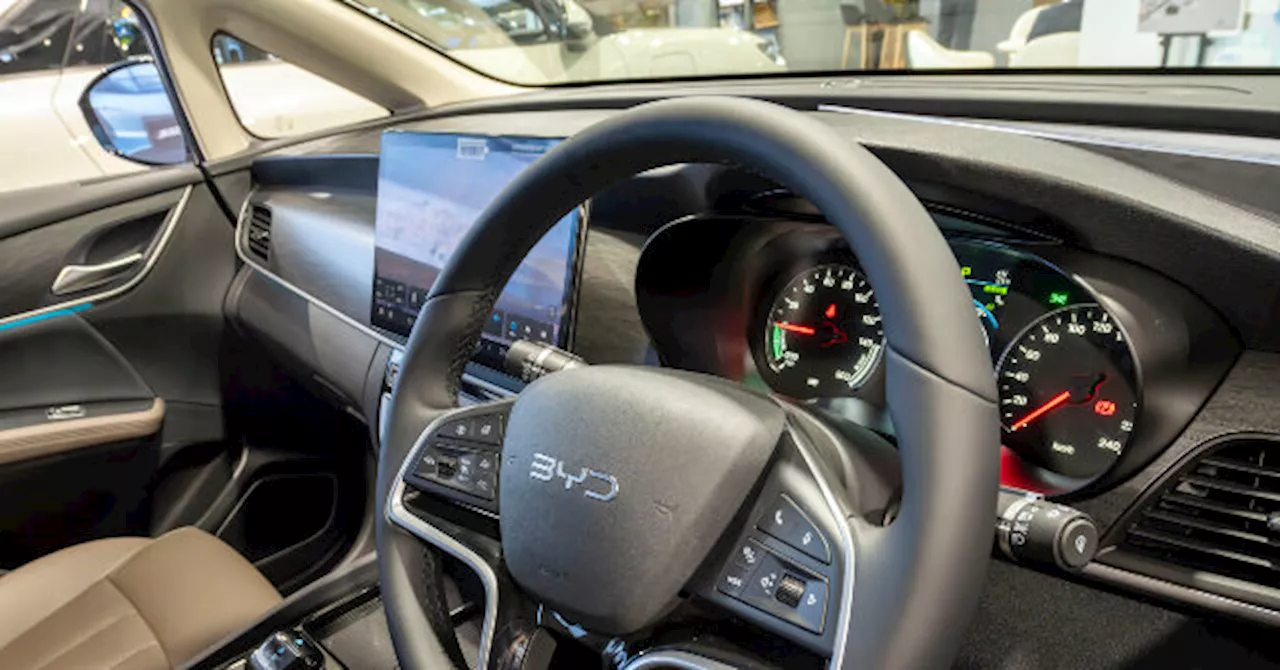
UPDATE: In a groundbreaking shift in the electric vehicle (EV) market, Chinese automaker BYD has officially surpassed Tesla in global EV sales for 2025. This dramatic development underscores a pivotal change in the automotive landscape as BYD recorded a staggering 28 percent increase in sales, reaching over 2.25 million units, while Tesla faced a significant 9 percent decline, selling only 1.64 million vehicles.
The reasons for Tesla’s struggles are multifaceted. The company faced challenges from the termination of crucial U.S. government subsidies for EV purchases, increasing competition from Chinese brands, and a consumer boycott linked to political affiliations. Furthermore, enthusiasm for Tesla’s latest models has waned as buyers turn to more competitively priced alternatives from Chinese manufacturers.
BYD’s remarkable performance, although slower than previous years, has been buoyed by aggressive expansion efforts, particularly in the United Kingdom, where sales surged by an astonishing 880 percent. The growing presence of Chinese brands throughout Europe, including Britain, Spain, and Norway, has raised significant concerns within the European Union, prompting protective tariffs of up to 38 percent on Chinese electric vehicles. These tariffs are designed to shield domestic manufacturers from perceived unfair competition.
Analysts foresee a challenging landscape for the EV industry in 2026. However, there is cautious optimism for a potential rebound in 2027, fueled by the introduction of more affordable, domestically produced EVs. In response to the shifting market dynamics, Tesla is pivoting its strategy, focusing more on self-driving “robotaxi” technology rather than traditional consumer vehicles.
The ongoing competition between BYD and Tesla highlights the critical interplay of technological advancements, government policies, and changing consumer preferences. As the balance of power continues to shift in favor of Eastern automakers, the future of EV manufacturing will be shaped by cost-effectiveness, robust supply chains, and sustained government support.
This evolution in the EV market is a testament to the rapid changes taking place, with BYD’s ascent serving as a clear indicator of the challenges and opportunities that lie ahead for both established and emerging players in the industry.
Stay tuned for further updates as this story develops and impacts the global automotive landscape.