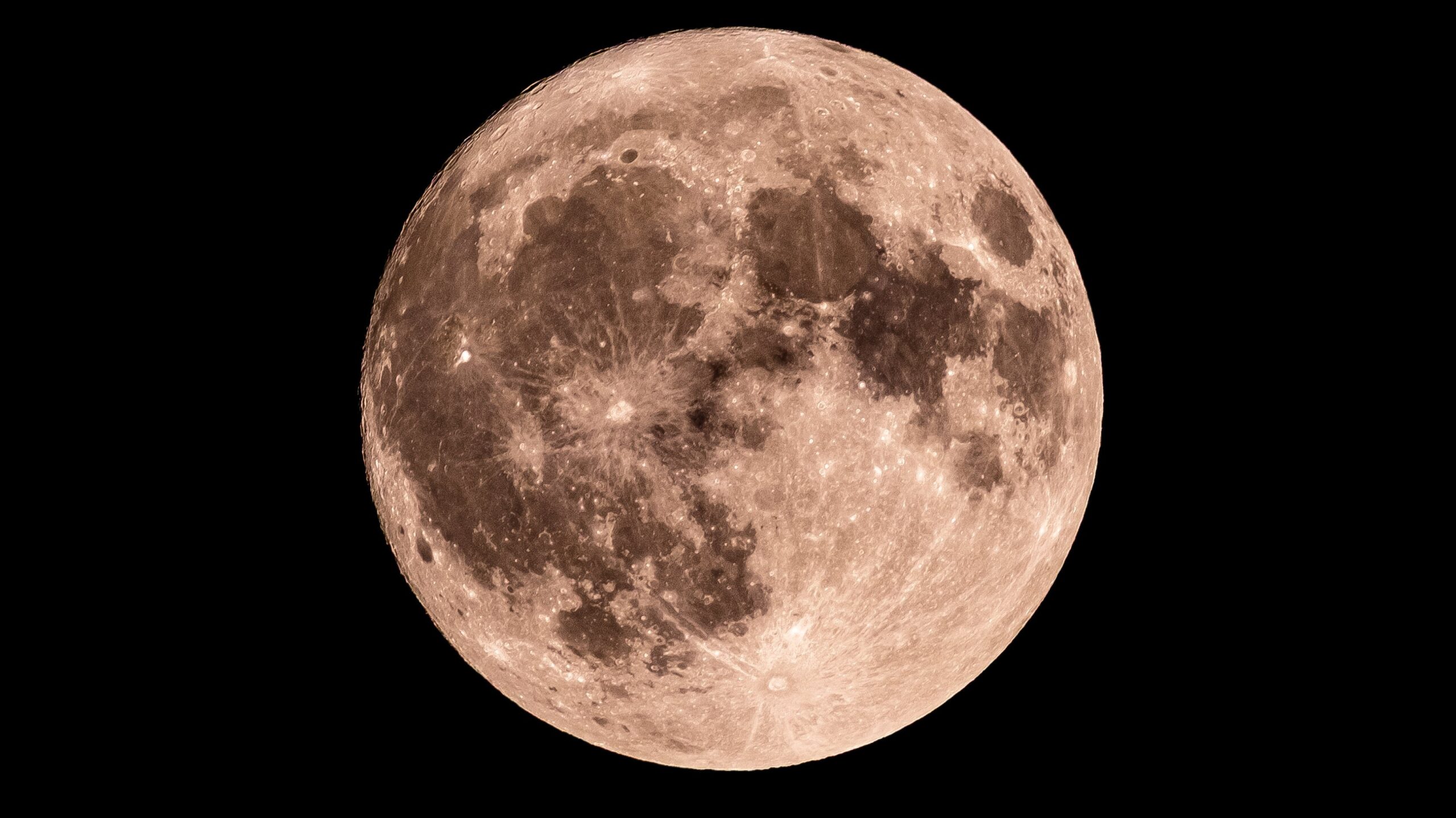
As of January 4, 2024, the Moon is in its waning gibbous phase, with approximately 98.6% of its surface illuminated. Following the recent full moon, this phase indicates that the Moon will progressively decrease in visibility until the next new moon. The transition from a full moon to a new moon takes place over a cycle of about 29.5 days, known as the lunar cycle.
The waning gibbous phase signifies that while the Moon is still largely visible, its brightness will start to diminish. According to The Sky Live, stargazers can expect to see a stunning view of the Moon tonight, with nearly its entire face lit up. This captivating spectacle provides an opportunity for both amateur astronomers and casual observers to appreciate the beauty of our closest celestial neighbor.
Understanding the Lunar Cycle
The lunar cycle consists of eight distinct phases, each characterized by varying amounts of sunlight reflecting off the Moon’s surface as it orbits the Earth. The cycle begins with the new moon, during which the Moon is positioned between the Earth and the sun, rendering it invisible to observers on Earth. As the cycle progresses, the following phases occur:
– **Waxing Crescent**: A small sliver of light starts to appear on the right side.
– **First Quarter**: Half of the Moon is illuminated, resembling a classic half-moon.
– **Waxing Gibbous**: More than half of the Moon is illuminated, but it has not yet reached fullness.
– **Full Moon**: The entire face of the Moon is fully illuminated.
– **Waning Gibbous**: The Moon begins to lose light on the right side.
– **Third Quarter**: Another half-moon phase, now with the left side illuminated.
– **Waning Crescent**: A thin sliver of light remains on the left side before the Moon becomes dark again.
This cyclical pattern is crucial for understanding various cultural and scientific phenomena. According to NASA, the consistent changes in the Moon’s appearance have fascinated humanity for centuries, influencing calendars, agricultural practices, and even folklore.
Upcoming Lunar Events
Looking ahead, the next full moon will occur on February 1, 2024. As the Moon continues its journey through the waning phases, enthusiasts and astronomers alike are encouraged to take note of its changing appearance. Each phase offers a unique perspective, highlighting the Moon’s dynamic relationship with the Earth and the sun.
For those interested in observing the Moon’s various phases, tonight’s waning gibbous presents a perfect opportunity. Clear skies and favorable conditions will allow observers to enjoy the Moon’s brilliance as it transitions towards the next new moon. Whether for scientific study or personal enjoyment, the lunar cycle captivates and inspires, reminding us of the wonders of our universe.