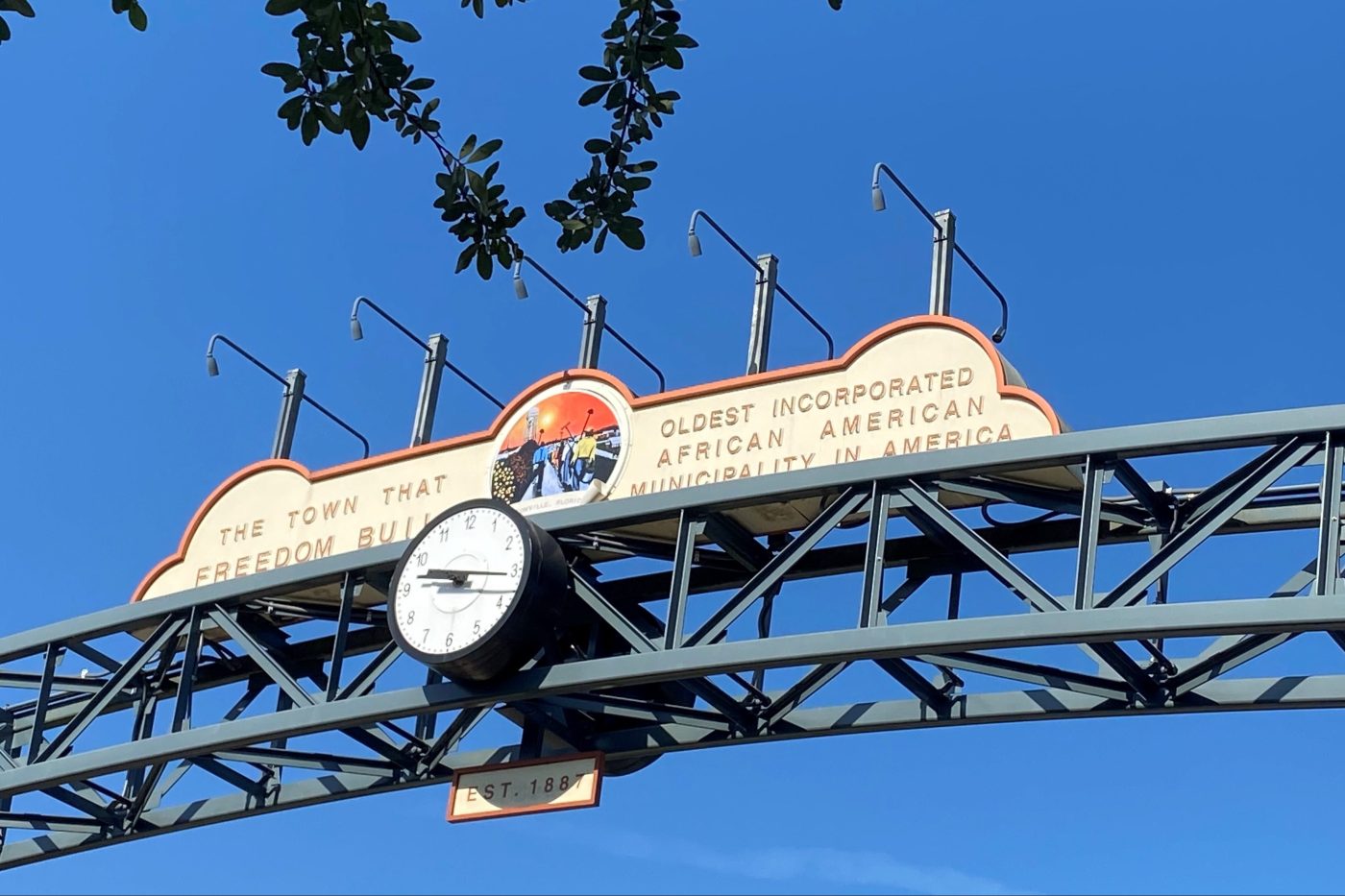
Eatonville, the first incorporated Black municipality in the United States, is pushing back against narratives suggesting its decline. Community historian John W. Beacham argues that the perception of Eatonville as corrupt or broken misrepresents its rich history and ongoing vitality. Founded on August 15, 1887, Eatonville has long been a symbol of resilience and self-governance for Black Americans, and its legacy deserves recognition and support.
Eatonville was established after the emancipation of enslaved people, who were initially restricted in land ownership. A vital figure in its formation was Lewis Lawrence, a Northern abolitionist who sold land to Black families, enabling them to build a future. This historical partnership with nearby Maitland is reflected in their shared ZIP code of 32751, a testament to their intertwined histories.
The town has faced challenges, particularly regarding its historic lands. The Hungerford School, modeled after Booker T. Washington‘s Tuskegee Institute, became a cornerstone of the community. In 1958, Orange County Public Schools acquired around 300 acres of Eatonville land. Over time, much of this land was sold off, generating limited economic returns for the community.
Eatonville is currently advocating for the return of the Hungerford property, which holds significant historical value. The first 50 acres were donated by Charles Hungerford, and the second 50 acres were purchased and donated by local citizens. Despite an agreement in principle to sell the land back to the town, the contract was never finalized. The recent dissolution of the Hungerford Trust, for which the school district received $1 million, has further complicated matters, as key community spaces have been demolished.
Amid proposals for a social-service hub and affordable housing in Eatonville, residents express concern over the potential impact on local property taxes and services. The community does not oppose development but seeks to ensure that any initiatives respect their historical context and the legacy of their ancestors. Beacham emphasizes that placing new developments on historic land without proper preservation measures could lead to gentrification, displacing long-time residents.
Beacham urges stakeholders to recognize Eatonville’s unique heritage. “Eatonville is not dying,” he states. “We are being told we are dying, a narrative that conveniently lowers land value while erasing history.” He calls for a shift in perspective, highlighting the cultural significance of Eatonville as a tourism destination and a living classroom that enriches Orange County.
As the new year unfolds, Beacham appeals to individuals and organizations to support Eatonville by listening to its story and acknowledging its historical importance. He advocates for a future where Eatonville can determine its own path, ensuring that the contributions of its community are honored and preserved. The legacy of Eatonville, as the first Black incorporated municipality in America, is not just a chapter in history; it is a living testament to the strength and resilience of its people.