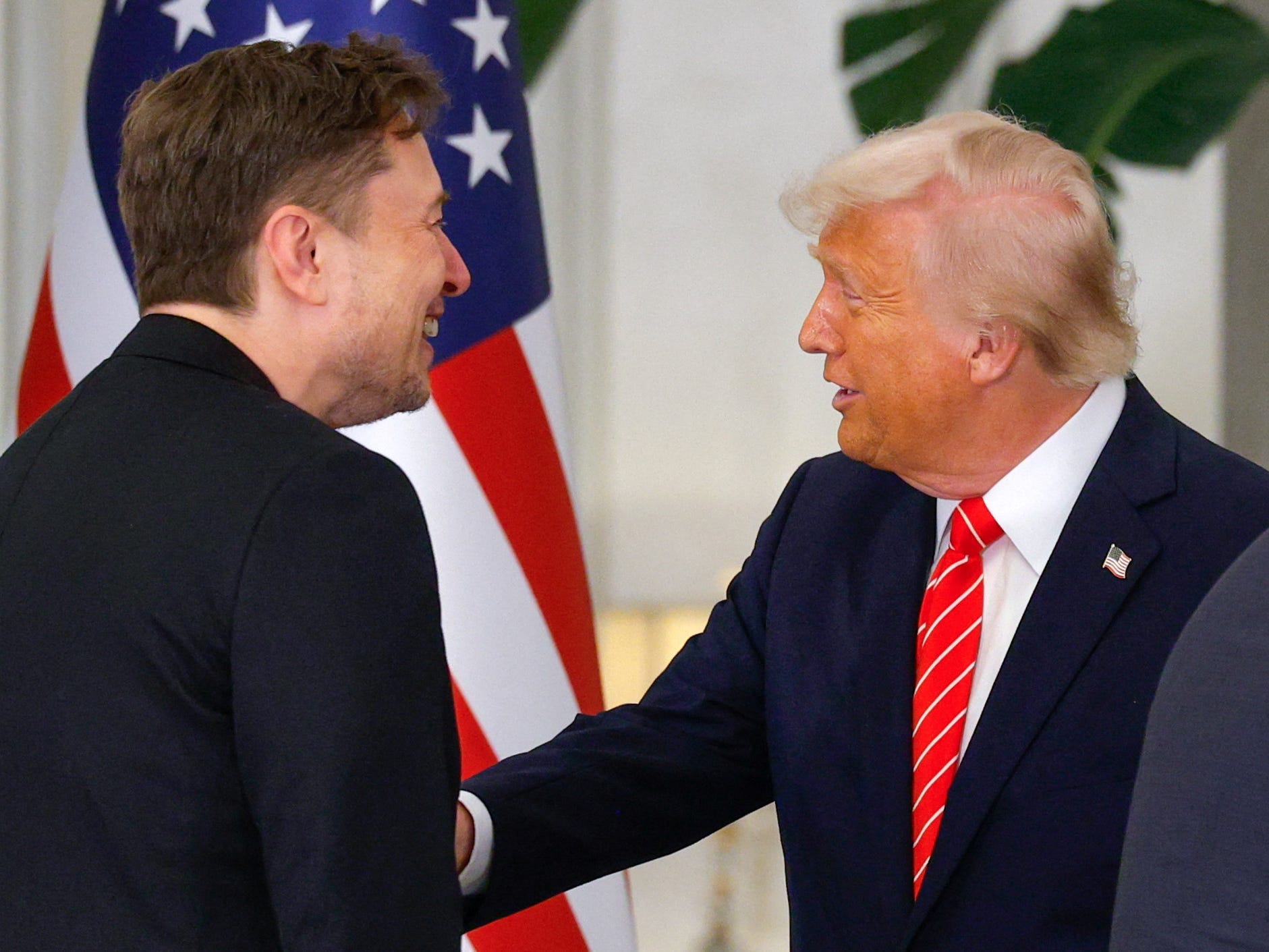
Elon Musk and Donald Trump have experienced a complex and evolving relationship, transitioning from political allies to adversaries and back again. Over the years, their interactions have reflected broader political dynamics, particularly as they navigated the turbulent waters of the U.S. political landscape.
Early Tensions and Political Alliances
In November 2016, just before Trump’s election, Musk publicly expressed doubts about Trump’s suitability for the presidency, stating, “He doesn’t seem to have the sort of character that reflects well on the United States.” Despite this, Musk was appointed to two of Trump’s advisory councils after the election, a move that drew criticism. Musk defended his role, asserting he aimed to influence better environmental and immigration policies.
However, the relationship soured in June 2017 when Musk resigned from his advisory positions following Trump’s decision to withdraw from the Paris Agreement. Musk stated on Twitter, “Climate change is real. Leaving Paris is not good for America or the world.” This marked a significant turning point, leading to a period of public animosity.
Shifts in Support and Feuds
As the years progressed, the relationship saw a notable reversal. In January 2020, Trump praised Musk’s entrepreneurial successes, calling him “one of our great geniuses.” This camaraderie continued through the COVID-19 pandemic when Trump supported Musk during a dispute with California health officials over Tesla’s factory closures.
By May 2022, Musk indicated he would reinstate Trump’s Twitter account, calling the ban a “morally bad decision.” Yet, tensions resurfaced in July 2022 when Trump labeled Musk a “bullshit artist” during a rally while Musk suggested it was time for Trump to step back from politics. This public back-and-forth intensified as Musk criticized Trump’s spending policies, particularly the “Big Beautiful Bill,” and threatened to form a new political party.
Despite these conflicts, by September 2025, the two men were seen together at a memorial service for conservative commentator Charlie Kirk. Trump later remarked, “I like Elon, I’ve always liked him,” signaling a thaw in their relationship.
Reestablishing Ties and Political Maneuvering
Throughout late 2024 and into 2025, Musk’s support for Trump intensified, particularly after Trump survived an assassination attempt. Musk publicly endorsed Trump, marking a significant shift from his earlier criticisms. Their alliance strengthened when Musk participated in Trump’s rallies and advised him on campaign strategies, including the selection of Ohio Senator JD Vance as Trump’s running mate.
Following Trump’s electoral victory on January 20, 2025, Musk was named to lead the newly established Department of Government Efficiency (DOGE), a role that solidified his position within Trump’s administration. Their relationship appeared to be one of mutual benefit, with Musk leveraging his influence to advocate for policies aligning with his business interests.
However, Musk’s engagement with the Trump administration was not without controversy. He faced backlash over perceived conflicts of interest and allegations of overreach within his role. In February 2025, White House officials clarified Musk’s position, stating he had “no actual or formal authority to make government decisions.”
By mid-2025, Musk began to distance himself from Trump and DOGE, citing a desire to focus more on his companies. His criticisms of Trump’s spending policies reignited tensions, leading to a public feud that included threats from Trump regarding federal contracts for Musk’s businesses.
Despite these conflicts, their relationship has exhibited notable resilience. As of late 2025, Musk attended a White House dinner hosted by Trump, demonstrating a willingness to maintain ties despite previous disputes.
The relationship between Musk and Trump serves as a reflection of their respective political and business strategies, revealing how personal alliances can shift dramatically in the face of political pressures. Their evolving dynamic will likely continue to capture public attention as both figures navigate the complexities of modern politics and business in America.