The United States has made a significant change in its childhood vaccination recommendations, reducing the number of vaccines from 17 to 11. This decision, announced on December 4, 2023, by the U.S. Centers for Disease Control and Prevention (CDC), has raised concerns among medical professionals regarding potential impacts on public health.
Effective immediately, the revised recommendations no longer include vaccines for influenza, rotavirus, hepatitis A, hepatitis B, certain forms of meningitis, or respiratory syncytial virus (RSV) for all children. Instead, these vaccines will be recommended only for specific high-risk groups or through a process of “shared decision-making” with healthcare providers.
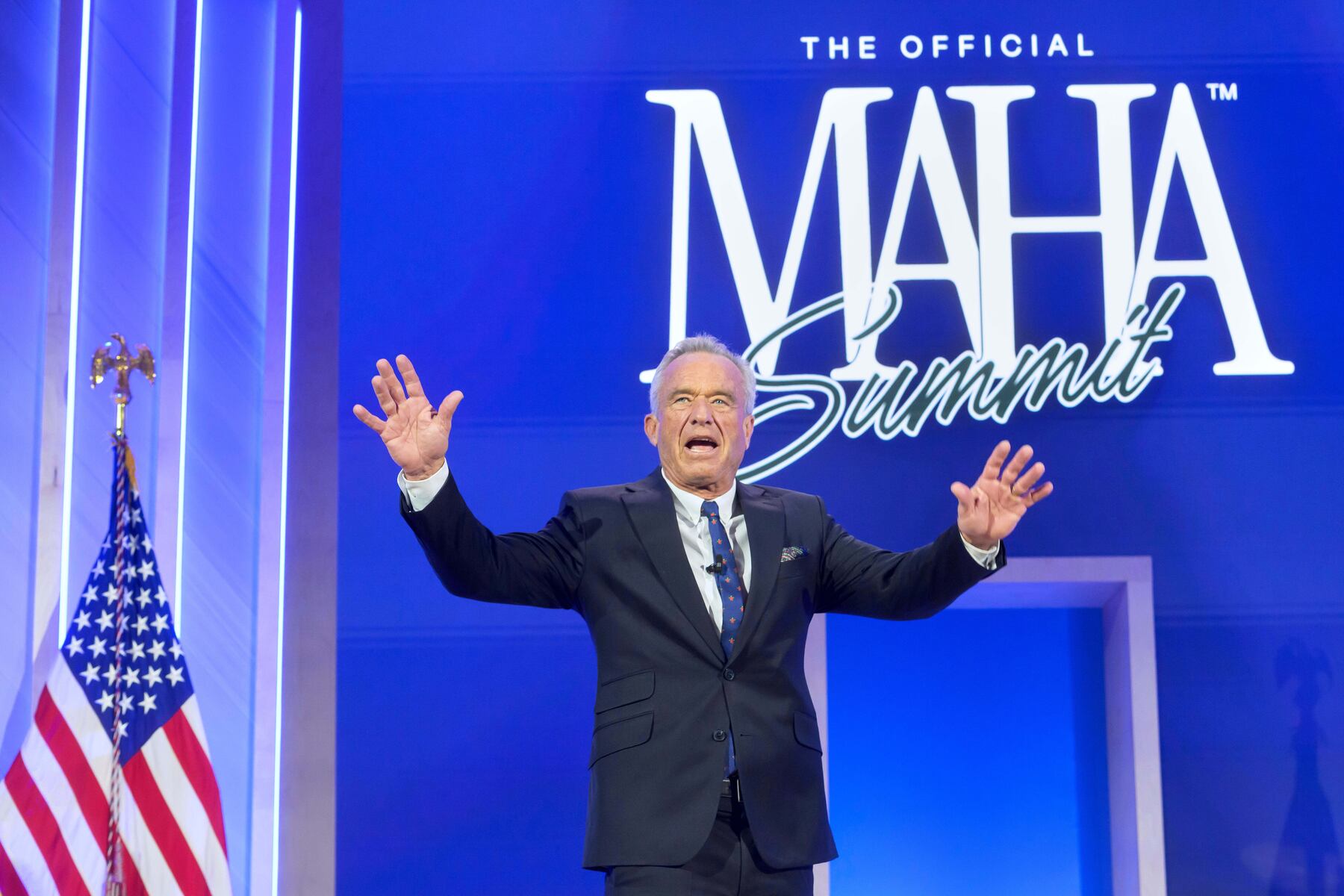
The change was initiated by officials within the Trump administration and has been attributed to requests from Health Secretary Robert F. Kennedy Jr.. He asserted that the new guidelines would not restrict access for families who wish to vaccinate their children and that insurance coverage for these vaccines would remain intact. Despite this assurance, many experts warn that the shift could lead to increased rates of preventable diseases.
Concerns Over Public Health
Medical professionals have expressed alarm over the decision, highlighting that it could further confuse parents and contribute to rising rates of diseases such as measles and whooping cough. The CDC’s alteration of vaccination guidelines comes at a time when U.S. vaccination rates have been declining, with exemptions at an all-time high according to federal data.
Dr. Michael Osterholm of the Vaccine Integrity Project emphasized the risks associated with abandoning recommendations for several vaccines. He stated, “Abandoning recommendations for vaccines that prevent influenza, hepatitis, and rotavirus… will lead to more hospitalizations and preventable deaths among American children.”
The CDC has maintained that the change aligns U.S. recommendations with those of other peer nations, where the number of vaccines recommended tends to be lower. However, experts point out that most high-income countries recommend vaccinations against a broader array of serious diseases. For example, France recommends vaccinations for 14 diseases, whereas the U.S. will now recommend only 11.
Political Influence and Expert Reactions
The recent adjustments have been criticized for lacking transparency, as they were made without input from the usual advisory committees. Senior officials at the Department of Health and Human Services (HHS) confirmed that the changes were a collaborative effort but did not specify the experts involved in the decision-making process.
Dr. Sean O’Leary of the American Academy of Pediatrics cautioned against adopting vaccine strategies without careful consideration of public health data. He noted that effective public health measures require context-dependent analysis, saying, “You can’t just copy and paste public health.”
Concerns were particularly pronounced regarding the flu vaccine, which has traditionally been recommended for nearly all children starting at six months of age. The CDC’s decision to remove its broad recommendation during a particularly severe flu season, especially following reports of 280 pediatric deaths from flu in the previous year, has been described as “tone deaf” by experts.
The American Academy of Pediatrics has responded by issuing its own vaccine schedule, continuing to recommend vaccines that the CDC has now demoted. This divergence underscores the ongoing debate surrounding vaccination practices in the U.S.
The evolving landscape of vaccine recommendations, especially with the influence of political figures like Kennedy, raises questions about the future of public health initiatives in the country. As vaccination rates decline and disease outbreaks rise, the implications of these changes will likely remain a critical topic of discussion among health professionals and policymakers alike.