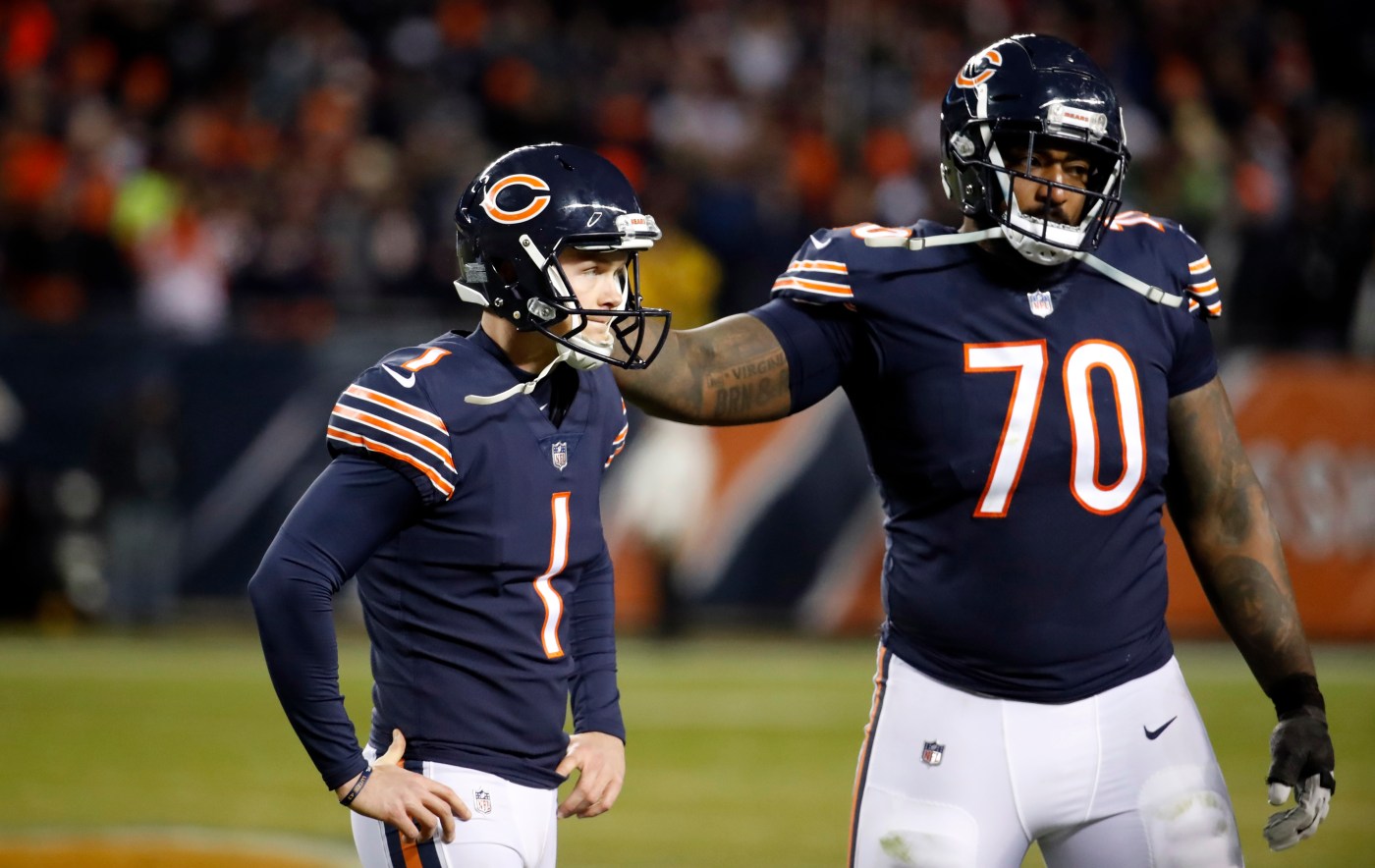
Significant events have shaped Chicago’s history, with January 6 marking both a notorious sports moment and a pivotal political incident. On this date in 2019, the Chicago Bears faced the Philadelphia Eagles in an NFC Wild Card playoff game, where a missed kick became the defining moment of the match.
The Bears were leading the Eagles 15-10 with just over nine minutes left in the fourth quarter, thanks to a touchdown pass from quarterback Mitch Trubisky to wide receiver Allen Robinson. The team’s defense held strong, stopping the Eagles on three consecutive plays from the two-yard line in the final moments. However, in a dramatic turn, Eagles quarterback Nick Foles connected with Golden Tate to score a touchdown, putting Philadelphia ahead.
The Bears had one last chance to reclaim victory. Following a 35-yard kickoff return by Tarik Cohen, Trubisky quickly moved the team into field-goal range. Kicker Cody Parkey successfully made a 43-yard attempt, but a timeout called by the Eagles forced him to retry. The second attempt resulted in a heartbreaking miss, famously known as the “double doink,” as the ball hit the left upright and then the crossbar, sealing a 16-15 loss for Chicago and ending their playoff run.
Political Turmoil: The Capitol Riot
On the same date two years later, January 6, 2021, the U.S. Capitol was stormed by supporters of then-President Donald Trump, disrupting the certification of President-elect Joe Biden‘s victory in the 2020 election. This incident has been characterized as one of the largest criminal investigations in American history, with over 1,500 arrests made nationwide.
The violent breach of the Capitol led to significant legal repercussions for many participants. In Illinois alone, at least 49 individuals faced charges related to the riot. Following the events, President Trump issued a blanket pardon for those convicted, which has drawn considerable scrutiny and debate.
Weather Records and Historical Context
While these events resonate in modern history, January 6 has also been marked by notable weather occurrences in Chicago. In 1918, a massive blizzard began on this date, dropping a total of 14.9 inches of snow over two days, making it the ninth largest snowstorm in the city’s recorded history. The harsh conditions caused significant disruption, with hundreds of vehicles stranded and essential deliveries halted.
Amid the snowfall, city officials enlisted the help of over 2,200 laborers and local students to clear the streets, showcasing the community’s resilience during challenging times.
Additionally, January 6 holds significance in the realm of science. In 1976, Evelyn Carmon Nicol, an esteemed immunologist and one of the few Black women to receive a U.S. patent, was recognized for her contributions to medical research. Despite passing away in 2020 due to complications from COVID-19, Nicol’s legacy continues to inspire future generations.
Reflecting on these events provides insight into how historical moments—whether in sports, politics, or science—shape the identity of Chicago and its residents. As the city remembers these pivotal dates, the echoes of triumph and tragedy serve as a reminder of its dynamic past.