India has intensified its military collaboration with Southeast Asian nations by negotiating arms sales and enhancing security partnerships in a region marked by maritime disputes with China. The Indian government is focusing on countries like Indonesia, the Philippines, and Vietnam, signaling its growing strategic role in the Indo-Pacific. This initiative aligns with efforts by the United States and its allies to counterbalance China’s influence in the area.
According to Chintamani Mahapatra, founder of the Kalinga Institute of Indo-Pacific Studies in New Delhi, “India is a relatively new player in the region where countries are trying to build up their own capacities.” He highlighted that while China serves as a significant economic partner for these nations, it also presents a security challenge, prompting them to enhance their defenses against Beijing.
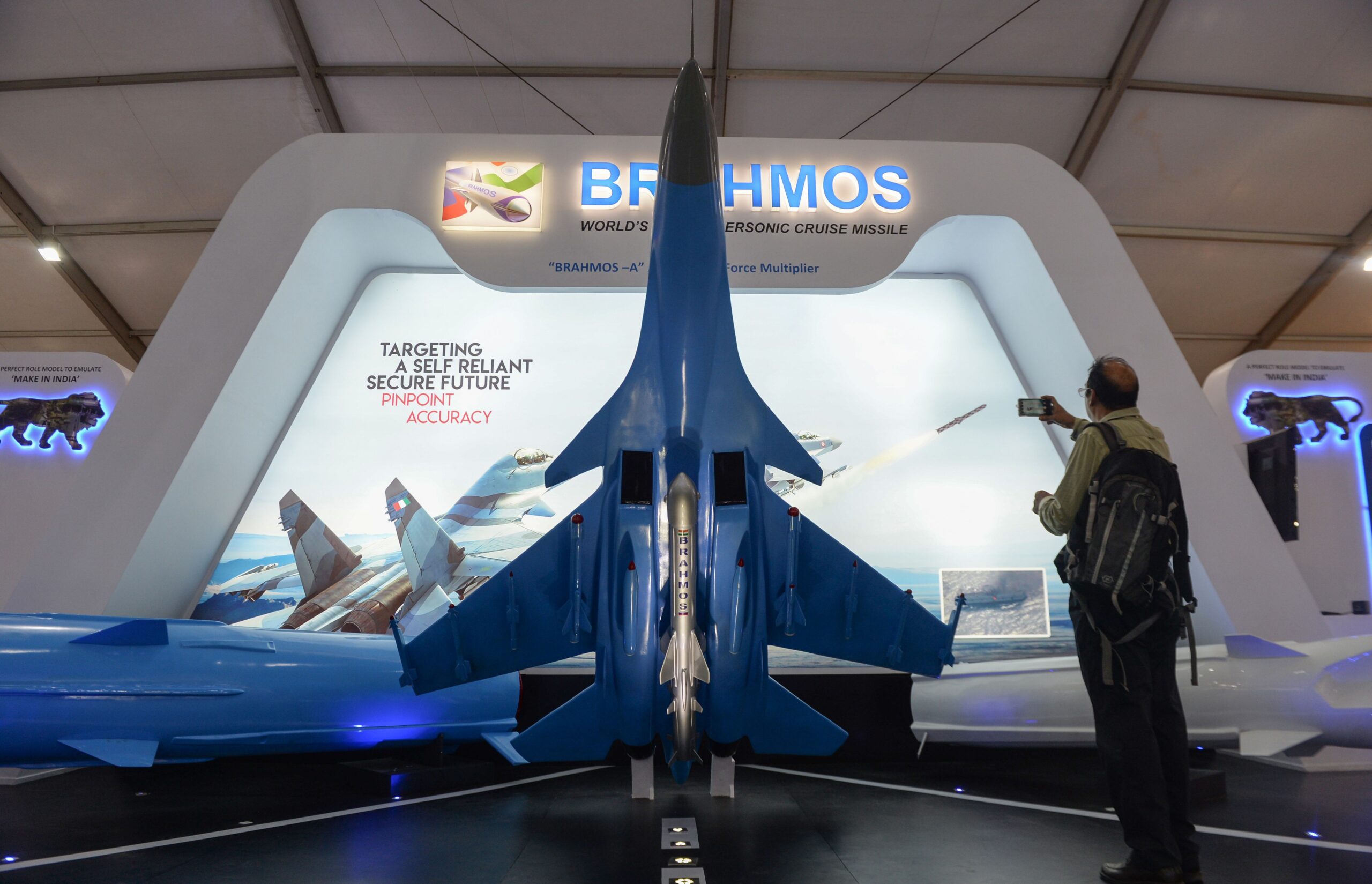
In a significant meeting last month, Indian Defense Minister Rajnath Singh and his Indonesian counterpart, Sjafrie Sjamsoeddin, discussed the supply of BrahMos supersonic cruise missiles to Jakarta. If finalized, this deal would make Indonesia the second nation to acquire these advanced missiles, developed through a joint venture with Russia, in which India holds a majority stake. Despite the Russian collaboration, analysts believe this will not elevate Russia’s role as a major arms supplier in Southeast Asia.
“Countries would be extremely wary of any purchases from Moscow due to the sanctions following the Ukraine war,” noted Rahul Bedi, a defense analyst in New Delhi. India has already begun delivering a shore-based, anti-ship BrahMos missile system to the Philippines as part of a $375 million contract initiated last year. The Philippine government is enhancing its maritime defense capabilities amid increasing tensions with China over the South China Sea, which Beijing claims predominantly as its territory.
India’s partnerships with nations such as Indonesia and Vietnam have evolved into comprehensive strategic collaborations, encompassing economic, defense, and technological cooperation. New Delhi has also been actively training military personnel from several Southeast Asian countries, including Vietnam, Singapore, Malaysia, Indonesia, the Philippines, and Thailand, while conducting joint naval and military exercises.
India’s expanding role in bolstering the military capabilities of smaller East Asian countries is closely tied to its growing defense relations with the United States. In October, India and the U.S. signed a 10-year defense pact during the Association of Southeast Asian Nations (ASEAN) defense ministers meeting in Malaysia, aimed at advancing cooperation in defense matters. U.S. Defense Secretary Pete Hegseth emphasized the significance of this partnership, stating, “This advances our defense partnership, a cornerstone for regional stability and deterrence.”
Analysts suggest that the U.S.-Indian security partnership has integrated India more deeply into the Southeast Asian security framework. According to Ivan Lidarev, a visiting research fellow at the National University of Singapore’s Institute of South Asian Studies, this collaboration is part of a broader U.S. strategy to encourage allies and partners to develop closer political and security ties to alleviate Washington’s burden of managing China in the region. He referred to this approach as a “latticework strategy,” designed to create an interconnected network of defense, economic, and supply chain partnerships in the Indo-Pacific.
While U.S. encouragement plays a role, Lidarev emphasized that India and its Southeast Asian partners are pursuing their own strategic interests. “They are not merely responding to American encouragement,” he remarked.
The increasing collaboration between India and Southeast Asian nations highlights their commitment to strengthening their own deterrence capabilities. This is particularly crucial given the ongoing uncertainties surrounding U.S. strategy in the Indo-Pacific. Don McLain Gill, a geopolitical analyst and lecturer at De La Salle University in Manila, pointed out that the need for diversification in defense partnerships is becoming increasingly practical. “With China continuing to exert its influence over various maritime zones in Southeast Asia, countries are seeking to enhance their resilience,” he stated.
Furthermore, the acquisition of military technology from India reflects Southeast Asian nations’ desire to reduce reliance on the U.S. as their sole security provider. As countries explore various options, military purchases from New Delhi present an attractive alternative, free from the risk of sanctions that could accompany acquisitions from Russia or China.
The Chief of Staff of the Philippine Armed Forces, Gen. Romeo Brawner Jr., indicated in August that Manila plans to acquire additional military equipment from India, citing both affordability and quality as key factors. The official Philippine News Agency reported on August 1 that the sale of weapons from India is perceived as “without any strings attached.” Mahapatra added that, unlike U.S. or Chinese arms sales, which often come with conditions, India’s offerings provide Southeast Asian nations with a more straightforward option.
As India aims to establish itself as a defense exporter, this evolving relationship appears mutually beneficial. The strengthening military ties between India and Southeast Asia reflect a strategic pivot in response to regional dynamics, positioning India as a key player in the quest for security and stability in the Indo-Pacific region.