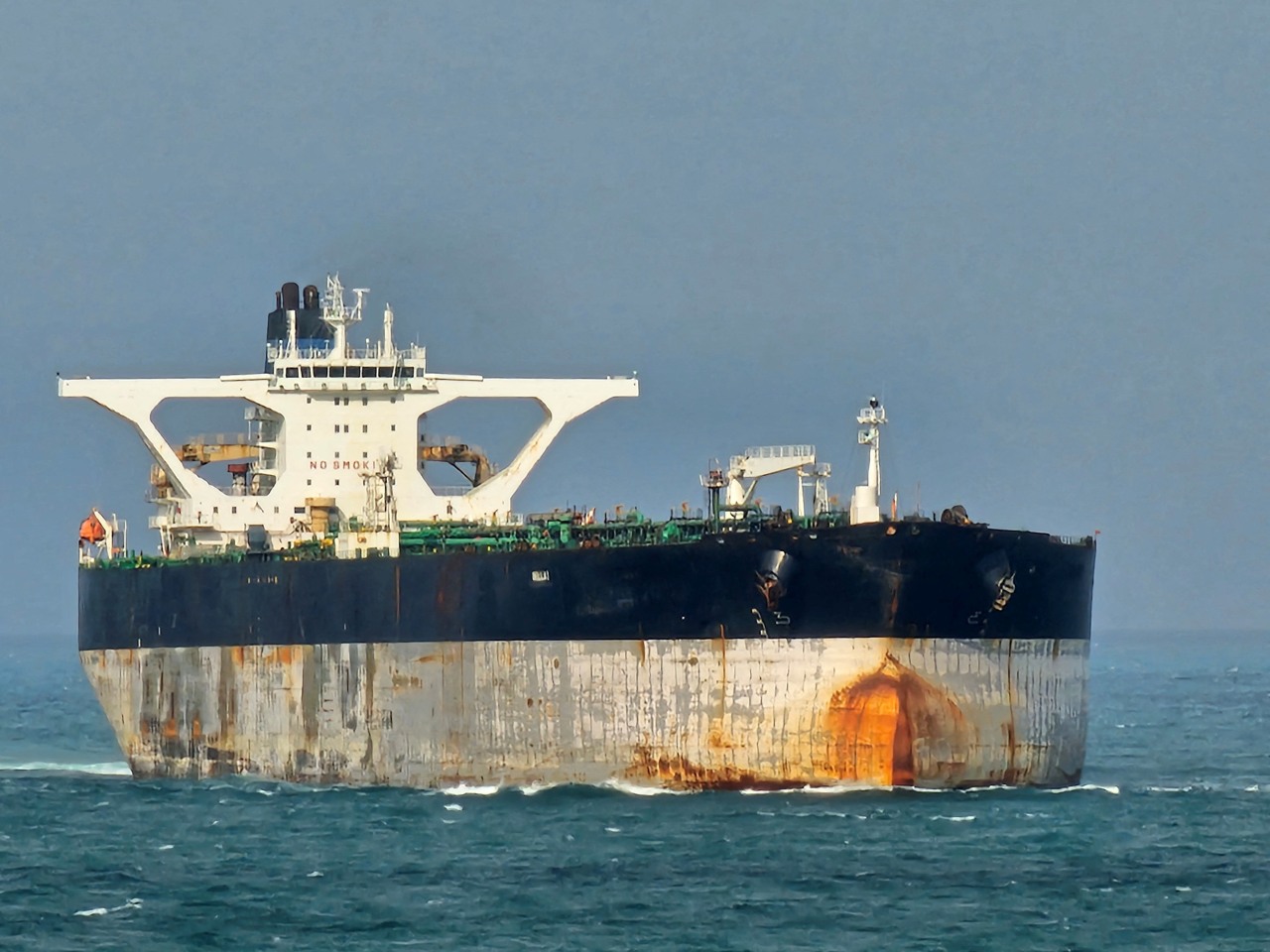
The Russian government has dispatched a submarine to escort the oil tanker Bella 1 after the United States attempted to seize the vessel off the coast of Venezuela. This move escalates already heightened maritime tensions and underscores the ongoing geopolitical struggle over oil shipments that officials allege are connected to illicit activities.
The incident unfolded on May 15, 2024, when U.S. authorities sought to detain the Bella 1, which is reportedly part of a fleet involved in transporting oil that has been deemed illegal by U.S. sanctions. The Trump administration’s actions are part of a broader strategy aimed at curtailing Venezuela’s oil exports, which are seen as a significant source of revenue for the government in Caracas.
Escalating Maritime Tensions
The deployment of the Russian submarine signifies a robust response to U.S. actions in the region. Russian officials have emphasized their commitment to protecting their interests and allies, particularly in light of the U.S. government’s aggressive stance on Venezuelan oil. This standoff not only raises the stakes for the involved parties but also highlights the complex interplay of international relations and energy security.
According to Russian military sources, the submarine will provide naval protection to the Bella 1, ensuring its safe passage as it continues to navigate through potentially hostile waters. The Russian Ministry of Defense stated, “We are prepared to safeguard our maritime interests and ensure safe transit for vessels under our protection.” Such a statement underscores Russia’s willingness to assert its military presence in waters that are critical to global oil supply chains.
The U.S. policy towards Venezuela aims to undermine the government led by President Nicolás Maduro, which has faced accusations of corruption and human rights violations. By attempting to seize vessels like the Bella 1, the U.S. hopes to disrupt the flow of oil that sustains the Venezuelan economy. This approach has faced criticism from various international observers who argue that it exacerbates the humanitarian crisis in the country.
Implications for Global Oil Markets
The standoff over the Bella 1 carries significant implications for global oil markets, particularly as countries navigate the complexities of energy dependence and geopolitical alliances. Analysts suggest that further escalation could lead to increased volatility in oil prices, particularly if military encounters become more frequent in the region.
The U.S. has previously imposed sanctions on Venezuelan oil exports, aiming to limit the government’s revenue sources. As a result, the country has increasingly relied on alternative partnerships, notably with Russia and China, to sustain its economy. The involvement of a Russian submarine in this context may embolden Venezuela and challenge U.S. influence in the region.
Industry experts warn that the situation could spiral out of control if diplomatic channels are not utilized effectively. The potential for miscommunication or unintentional conflict remains a concern as both countries maintain their positions.
As international observers continue to monitor the situation, the focus will remain on how this maritime encounter unfolds and its broader implications for geopolitical stability and energy supply chains. The conflict surrounding the Bella 1 is a reflection of the intricate dynamics at play in global politics, where energy resources often become a focal point for power struggles.
In conclusion, the deployment of a Russian submarine to escort the Bella 1 amidst U.S. attempts to seize the tanker marks a critical juncture in U.S.-Russia relations and highlights the ongoing challenges surrounding Venezuela’s oil exports. The incident is emblematic of the complex interplay between international politics and economic interests, with potential ramifications that extend far beyond the immediate region.