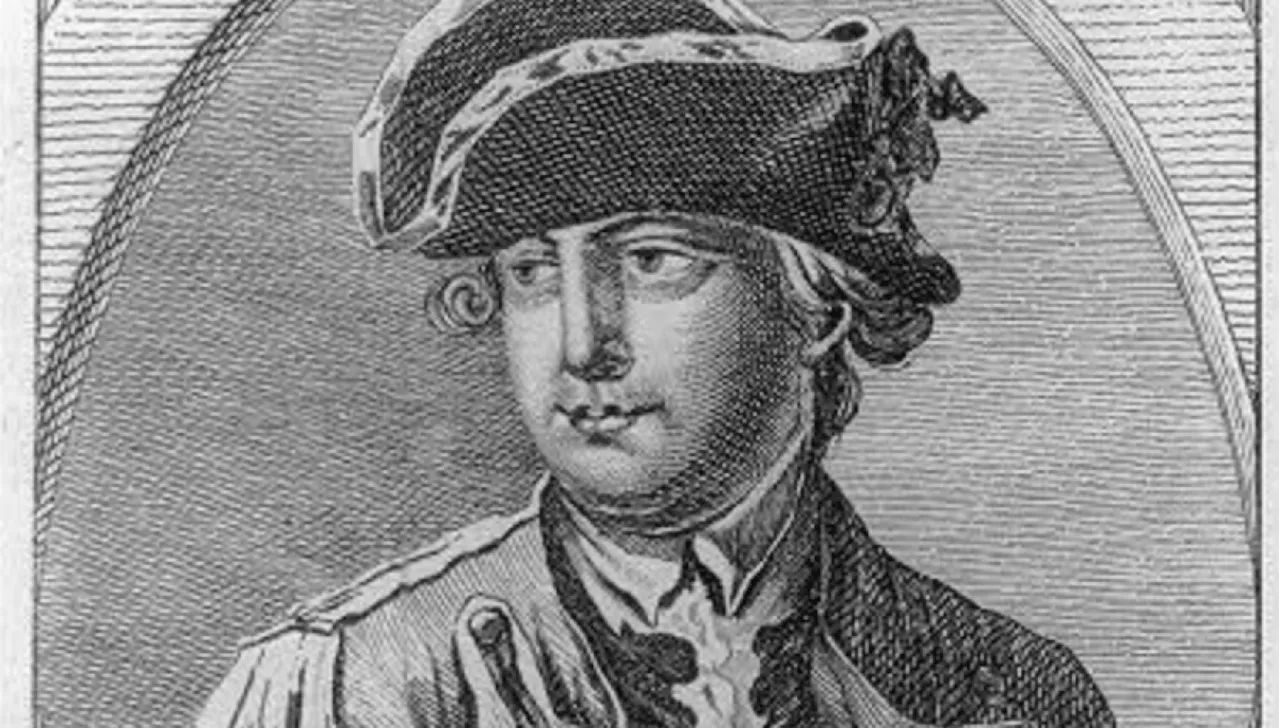
On January 8, 1776, General George Washington issued a crucial order to Major General Charles Lee to mobilize forces for the defense of New York City. This directive came in response to intelligence indicating that a British fleet was preparing to sail from Boston, likely aiming to capture the city and control the vital Hudson River. Washington recognized that losing New York would grant the British significant strategic advantages, including direct access to Canada.
In his correspondence, Washington emphasized the urgency of the situation, instructing Lee to proceed to New York “with all possible speed.” He highlighted the importance of preventing the British from seizing the city, which was not only critical for the American cause but also essential for maintaining communication lines with Canada.
The letter contained detailed instructions for Lee, urging him to gather volunteers and coordinate with local forces in New Jersey for additional support. Washington noted, “You are to put that City in the best posture of Defence which the Season & Circumstances will admit of.” This included disarming individuals on Long Island who were suspected of being sympathetic to British interests.
Washington also directed Lee to assess the state of the fortifications along the North River. He advised that defensive measures should be enhanced to guard against potential surprise attacks. “You will also endeavour to have the Medicines, Shirts, & Blankets belonging to the Ministerial Troops secured, & forwarded to this Army,” Washington wrote, stressing the need for logistical support as well.
This communication underscores the critical state of affairs facing the Continental Army as they prepared for conflict. Washington’s leadership in this moment was pivotal, as he recognized the broader implications of the British movements. He understood that the defense of New York was not merely a local concern but a matter of national significance.
The urgency of Washington’s directives reflects the broader context of the American Revolutionary War, where every decision could alter the course of history. The actions taken by Lee and his forces in the following days would play a vital role in shaping the outcome of the conflict.
As the situation developed, Washington’s foresight and strategic planning became increasingly relevant. This moment serves as a reminder of the challenges faced by the early leaders of the United States and their commitment to securing independence.
Washington’s orders on that day marked a decisive moment in the struggle for American sovereignty, demonstrating the interplay of military strategy and political necessity. The defense of New York would soon become a focal point in the fight against British rule, setting the stage for future confrontations in the war.