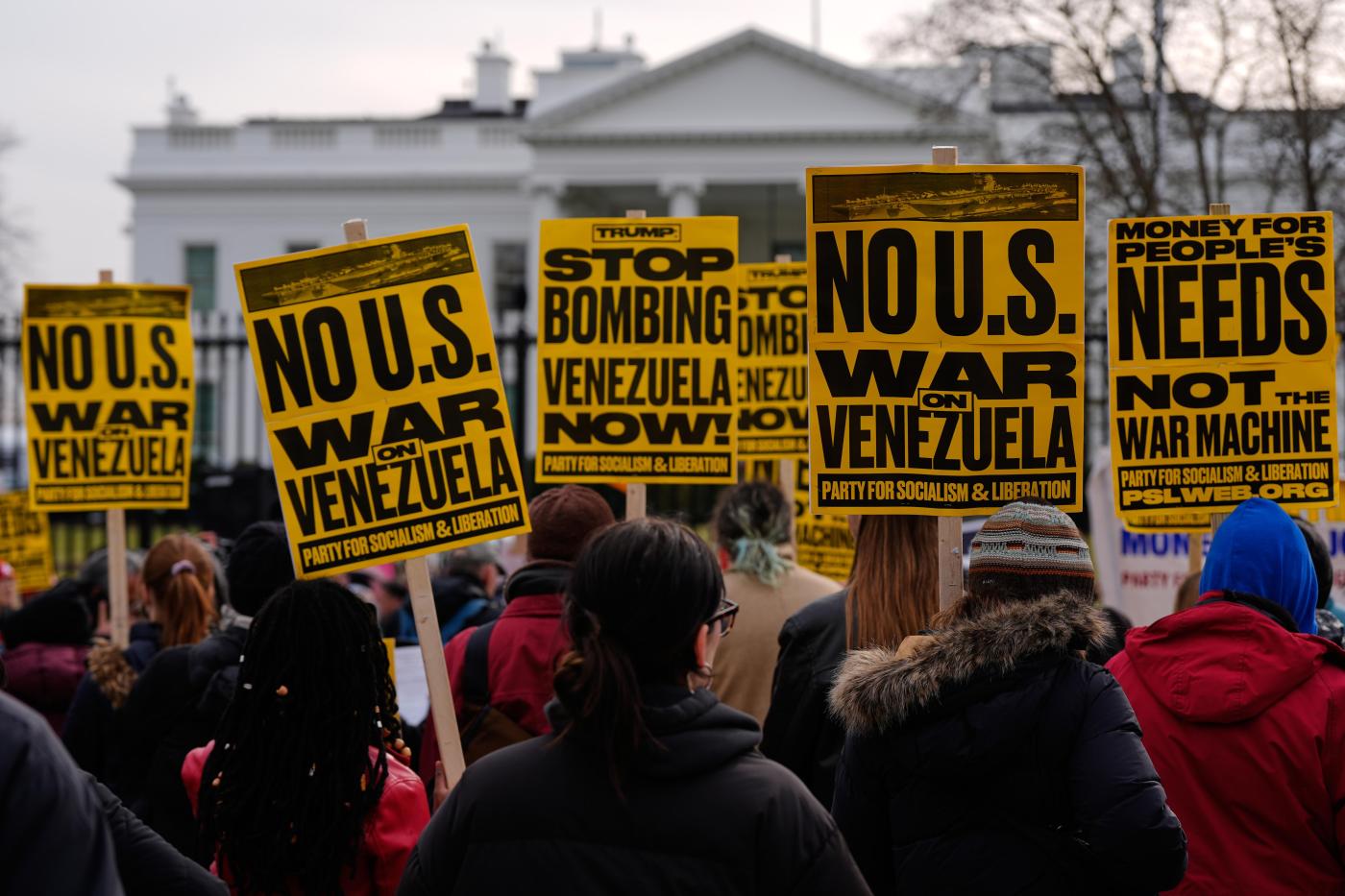
The recent commentaries in *The Baltimore Sun* have sparked a significant debate regarding the political situation in Venezuela, particularly focusing on the actions surrounding President Nicolás Maduro. Professor Sandeep Gopalan and former government attorney Bruce Fein presented contrasting views on the implications of Maduro’s arrest, highlighting the polarized opinions on U.S. involvement in Venezuela.
In his commentary published on January 4, 2024, Gopalan offered a well-reasoned and evidence-based argument regarding the legality of Maduro’s arrest. He effectively supported his claims with documented sources, exploring the potential consequences of the current regime’s actions. Gopalan’s analysis stands out for its clarity and rigorous approach, making it a compelling read for those interested in international law and foreign policy.
Conversely, Fein’s essay, also published on January 4, 2024, took a markedly different approach. He characterized the U.S. actions as “criminal aggression” but failed to provide substantial evidence to support this assertion. Instead, Fein relied on emotive language, using phrases like “swaggering hubris” to convey his sentiments about the situation. His assertion that, “Nobody believes that prosecuting or imprisoning Maduro will save a single American life from a drug overdose,” raises questions about the basis of his claim. It would be beneficial to see relevant polling data that could substantiate such a sweeping statement.
Fein concluded with a prediction of inevitable impeachment and removal of U.S. officials involved in the decision-making process regarding Venezuela. This assertion, without the backing of solid evidence, risks appearing alarmist rather than factual.
The contrasting styles of these two commentaries illustrate the broader discourse surrounding U.S. foreign policy in Latin America. Gopalan’s methodical approach serves as a model for persuasive writing, whereas Fein’s reliance on rhetoric without evidence detracts from his argument’s credibility.
As the situation in Venezuela continues to evolve, the discussions surrounding it will likely remain contentious. The differing opinions reflect the complexities involved in international relations and the challenges in addressing issues of sovereignty, legality, and humanitarian intervention.
Engagement from the public, such as that from Charles W. St. Clair of Jarrettsville, demonstrates the importance of dialogue on this topic. His commentary encourages readers to reflect on the implications of these arguments and to contribute their voices to the ongoing conversation.
In conclusion, the case for and against actions regarding Venezuela is far from settled. As analyses continue to emerge, the need for well-supported arguments that consider both legal frameworks and humanitarian impacts remains vital.