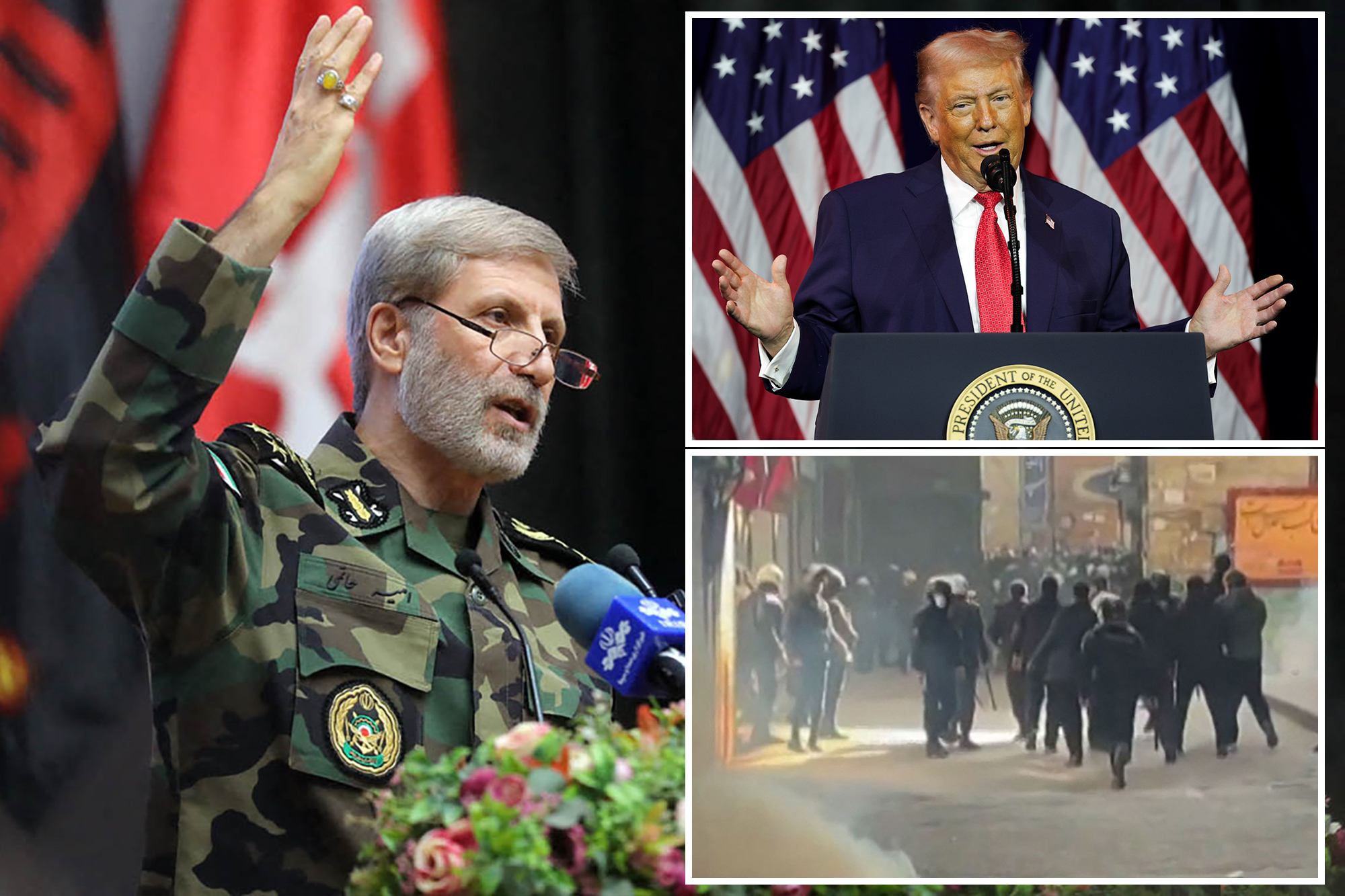
Iran’s parliament speaker, Mohammad Bagher Qalibaf, issued a stark warning on Sunday, stating that the United States military and Israel would be considered “legitimate targets” if the U.S. proceeds with military action against Iran. This threat follows escalating protests across the nation, which began on December 28, 2023, in response to the economic crisis, including the collapse of the Iranian rial, now trading at over 1.4 million to $1.
The unrest has claimed at least 203 lives according to the Human Rights Activists News Agency, with fears that the actual toll may be significantly higher due to an ongoing information blackout. The Iranian government has not released official casualty figures, complicating efforts to gauge the full scope of the violence. Reports indicate that 162 of those killed were protesters, while 41 were members of the security forces. Over 3,280 individuals have reportedly been detained as the demonstrations continue.
As protests surged across Iran’s capital, Tehran, and its second-largest city, Mashhad, Qalibaf praised the actions of the police and Iran’s paramilitary Revolutionary Guard, highlighting their “firm” response to the unrest. His comments came as President Donald Trump expressed support for the demonstrators, stating on social media that “Iran is looking at FREEDOM, perhaps like never before. The USA stands ready to help!!!”
The political climate remains tense, with lawmakers in the Iranian parliament chanting “Death to America!” following Qalibaf’s speech. The parliament session was televised live, underscoring the regime’s desire to project strength amid the chaos. Questions linger about the seriousness of Iran’s threats of military action, particularly after significant losses to its air defenses during a brief conflict with Israel earlier this year.
In the Middle East, the U.S. military has assured that it is prepared to defend its forces and interests in the region, maintaining a range of combat capabilities. The U.S. Navy’s 5th Fleet is stationed in Bahrain, while U.S. forces at Al Udeid Air Base in Qatar remain on alert following previous Iranian strikes.
Reports from within Iran indicate that the protests have taken on a fluid and scattered character, with demonstrators employing tactics to evade heavy security forces. Videos purportedly showing gatherings in northern Tehran featured protesters waving their mobile phones and banging metal objects, despite heavy surveillance. In Mashhad, footage appeared to show confrontations between demonstrators and security personnel.
The Iranian government has intensified its rhetoric, with top security official Ali Larijani accusing protesters of engaging in violence reminiscent of actions by the Islamic State group. State media have reported on the funerals of security personnel killed in the violence, further inflaming tensions.
Calls for continued protests emerged from Reza Pahlavi, the exiled Crown Prince of Iran, who urged demonstrators to take to the streets. Support for the former monarch has surfaced in some protests, although it remains unclear whether this reflects a desire for his return or a broader dissatisfaction with the current regime.
As the situation evolves, observers remain concerned that continued internet outages and communication disruptions could enable a more severe crackdown by Iranian security forces. The protests, initially sparked by economic grievances, have transformed into widespread challenges to the ruling theocracy, raising the stakes for both the Iranian government and foreign powers involved in the region.