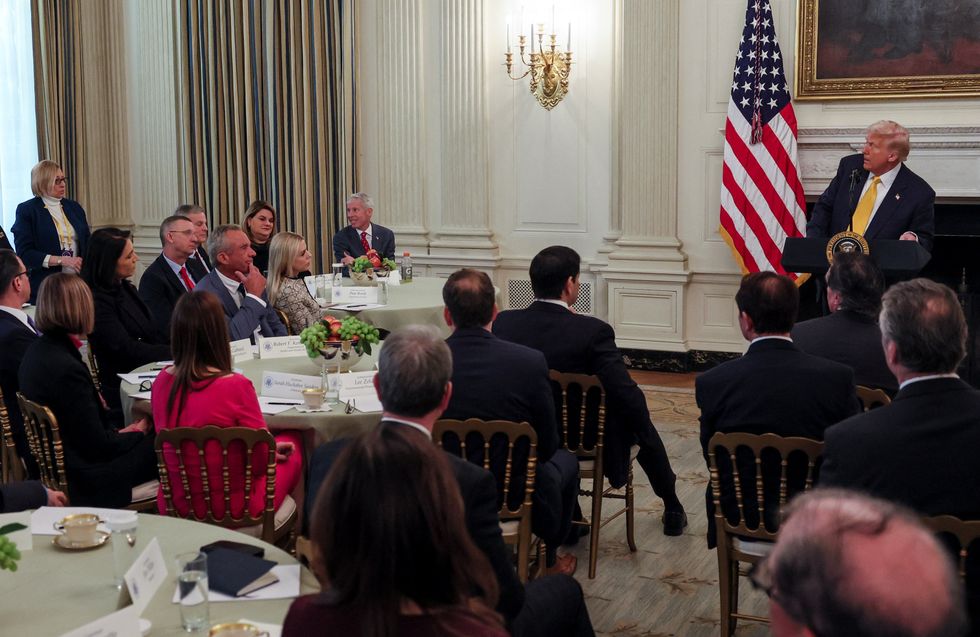
A significant legal victory for Maine Governor Janet Mills against former President Donald Trump has drawn attention to the dynamics of power and governance in the United States. Mills recounted her experience during an appearance on MS NOW on March 15, 2024, highlighting a confrontation that occurred in February 2025. During this incident, she stood her ground against Trump when he attempted to impose federal mandates concerning transgender athletes in sports.
Mills described the moment as “jaw dropping” when Trump asserted, “We are the federal law,” to which she responded, “I’ll see you in court.” This exchange set the stage for Mills to file a lawsuit against the Trump administration, which ultimately withdrew its position without further contest, a development noted by the host of the network.
In her interview, Mills emphasized the importance of congressional action against what she termed Trump’s “bullying” tactics, particularly related to his administration’s approach to immigration enforcement, specifically ICE. She stated, “If you don’t stand up to a bully, they never stop. He’s bullying the people.” This assertion reflects a broader concern among many Democrats regarding Trump’s influence and methods during his presidency.
Mills further articulated her interpretation of the U.S. Constitution, stating, “The Constitution says the president shall take care that the laws be faithfully executed, not that he can make up laws across America and terrorize people. That’s not his job.” Her comments resonate with ongoing discussions about the limits of presidential power and the role of state governors in upholding constitutional rights.
As the political landscape continues to evolve, Mills’ experience provides a potent example of how state leaders can navigate challenges posed by the federal government. Her call to action for Congress suggests an urgent need for legislators to assert their authority in safeguarding the rights of their constituents against perceived overreach.
In reflecting on her confrontation with Trump, Mills not only highlights her fight for state autonomy but also elevates the conversation surrounding civil rights and the responsibilities of elected officials at all levels of government. The implications of her legal victory serve as a reminder of the checks and balances that are fundamental to the American political system.