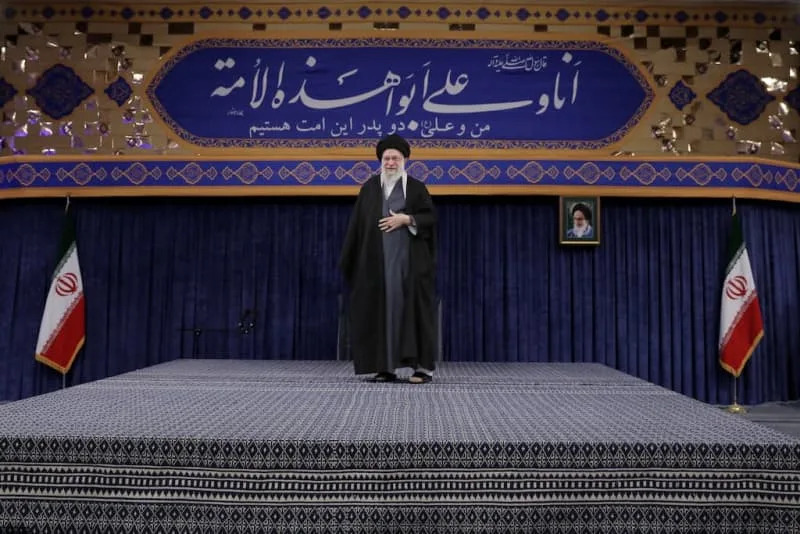
Protests in Iran have escalated over the past two weeks, leading to reports of hundreds of casualties among demonstrators. Despite this unrest, the Iranian government has sought to maintain a façade of normalcy, emphasizing diplomatic outreach rather than calling for assistance from allies. This approach suggests that Tehran is determined to project confidence amid growing internal challenges.
In response to the protests, which have been fueled by deteriorating economic conditions, the Iranian regime has restricted internet access to limit information flow and suppress news coverage. The authorities are keen to avoid the perception that they are approaching a tipping point. For instance, Iran’s Foreign Minister, Abbas Araghchi, continued with international engagements, visiting Lebanon even as protests intensified. His meetings with Lebanese officials, including President Joseph Aoun, underscored Iran’s desire to strengthen bilateral ties while addressing concerns over its influence in the region.
During his visit, Aoun highlighted the importance of “non-interference” in Lebanon’s affairs, while Araghchi reassured Lebanese leaders of Iran’s support for the country’s sovereignty and territorial integrity. He stated, “Iran supports Lebanon’s independence, unity, sovereignty, and territorial integrity,” emphasizing a commitment to developing relations based on mutual respect. Nevertheless, tensions in Iran-Lebanon relations have escalated over the past year, with Lebanese Foreign Minister Youssef Raggi expressing criticisms of Iran’s regional role, particularly regarding its backing of Hezbollah.
Iran’s Diplomatic Posturing Amid Internal Unrest
Iran continues to engage internationally while facing significant domestic unrest. Araghchi’s discussions in Tehran with Oman’s Foreign Minister, Sayyid Badr bin Hamad bin Hamood Al Busaidi, included warnings against external interference in Iranian affairs, particularly in light of statements from the United States. He reiterated that “internal matters of sovereign nations should be decided solely by their own people,” advocating for dialogue over foreign influence in regional conflicts, including the ongoing situation in Yemen.
Iranian officials have characterized the current protests as a “fabricated terrorist war” against the regime. Mohammad Baqer Qalibaf, the Speaker of Iran’s Parliament, asserted that any external aggression would place US military bases within Iran’s “firing range,” signaling a defiant stance against perceived threats. This rhetoric indicates a broader strategy to rally domestic support while discouraging foreign involvement.
The protests have not only drawn attention within Iran but have also raised concerns in neighboring Turkey. Turkish officials fear that instability in Iran could inspire similar movements among their own populace. Notably, Turkish media often aligns with the Iranian government’s narrative, reflecting the complexity of regional dynamics.
Reports from Iranian state media indicate that security forces have detained approximately 200 leaders of the protests, amid claims of at least six security personnel being killed during the unrest. Iranian President Masoud Pezeshkian has attributed the protests to external enemies seeking to create chaos and instability, asserting that the government is committed to addressing economic challenges while maintaining order.
As the situation unfolds, the Iranian government’s dual approach—maintaining diplomatic relations while suppressing internal dissent—highlights the precarious balance it seeks to achieve. The outcome of these protests and the regime’s response will significantly impact the future of Iran and its standing in the region.