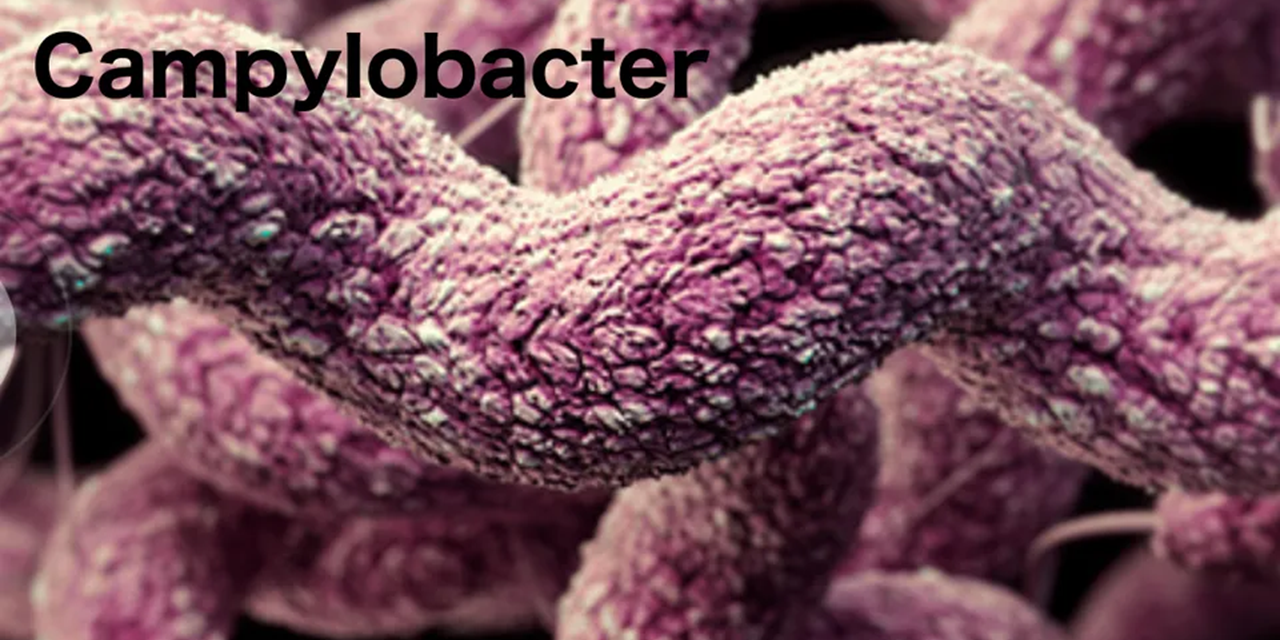
Researchers at the London School of Hygiene & Tropical Medicine (LSHTM) have been awarded significant funding to explore the competitive capabilities of Campylobacter, a bacterium known for its role in foodborne illnesses. The Biotechnology and Biological Sciences Research Council (BBSRC) has granted a total of £850,000 (approximately $1.1 million) for this important study, which aims to uncover how this bacterium outcompetes other microbes and adapts to various host environments.
The project is part of a broader consortium that includes several research institutions, all focusing on the intricate dynamics of bacterial competition. Understanding the survival mechanisms of Campylobacter is crucial for public health, as it is one of the leading causes of gastroenteritis worldwide. By examining its adaptability, the researchers hope to identify potential strategies for mitigating the risks associated with this pathogen.
Understanding Bacterial Competition
Campylobacter’s ability to thrive in diverse environments has raised questions among scientists about its evolutionary advantages. The research will investigate the genetic and environmental factors that allow Campylobacter to dominate over competing bacteria. This insight not only sheds light on microbial behavior but also has implications for agricultural practices and food safety measures.
Dr. Paul Turner, a principal investigator at LSHTM, emphasized the importance of this research. “The funding from the BBSRC allows us to delve deeper into the competitive strategies employed by Campylobacter, which could lead to improved prevention methods for foodborne illnesses,” he stated. This project aligns with the increasing global focus on food safety and public health, especially in the wake of rising foodborne disease outbreaks.
The Broader Implications of the Research
The funding will support a range of activities, including laboratory experiments and field studies, aimed at gaining a comprehensive understanding of Campylobacter’s behavior. The findings could lead to significant advancements in how food producers manage bacterial contamination, ultimately protecting consumers from potential health risks.
Moreover, the research contributes to the scientific community’s broader efforts to address antimicrobial resistance, a growing concern in the field of microbiology. By understanding how pathogens like Campylobacter interact with their environment, scientists can develop more effective interventions to combat resistant strains.
As this research progresses, it is expected to provide valuable insights that could transform food safety protocols and enhance public health initiatives. The collaboration among leading researchers underscores the importance of addressing complex challenges posed by bacteria in our food systems.
In summary, the award of £850,000 to LSHTM signifies a crucial step in understanding the competitive dynamics of Campylobacter. This research holds the potential to make significant contributions to public health and food safety, addressing one of the pressing issues of our time.