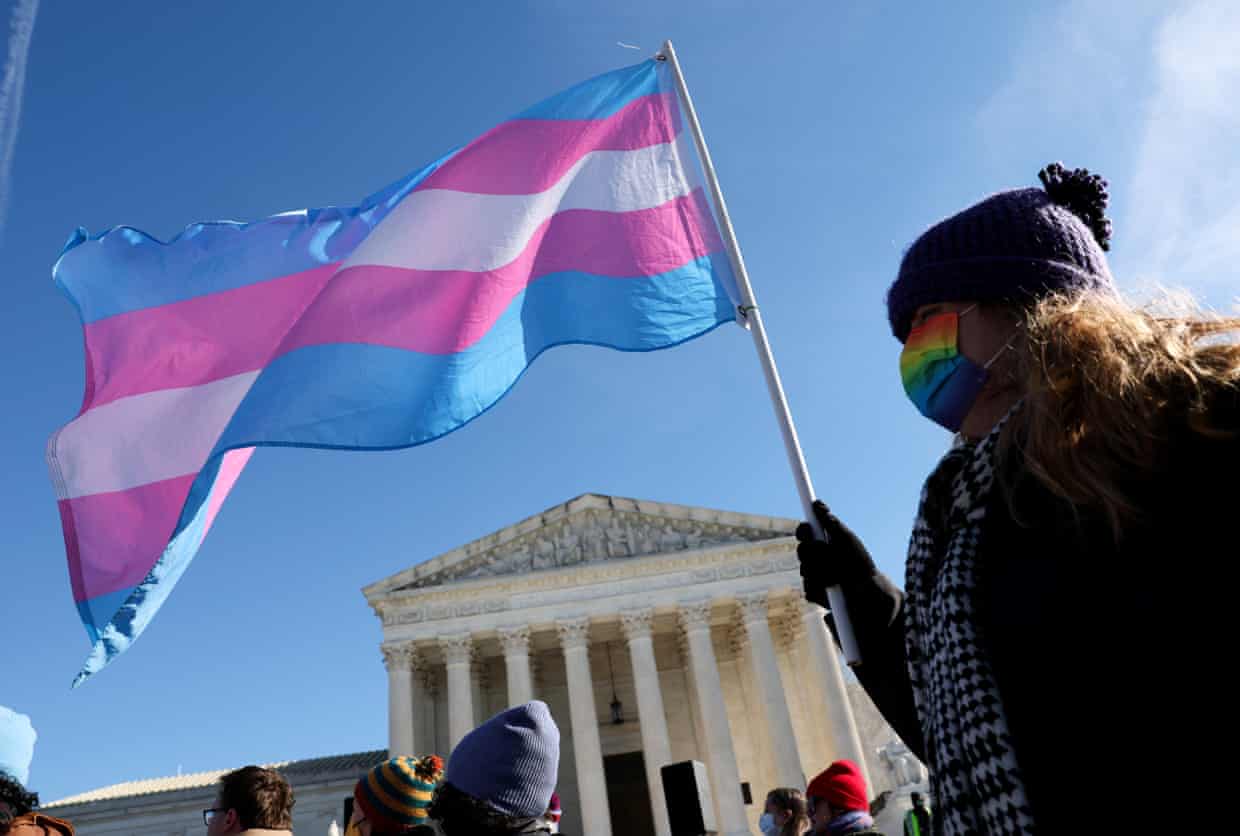
The US Supreme Court is set to hear crucial arguments regarding the rights of transgender youth athletes on March 5, 2024. This significant hearing will focus on state laws that ban trans girls from participating in girls’ sports teams. The cases raised by two transgender students from Idaho and West Virginia challenge Republican-backed legislation that restricts their access to competitive athletics.
In the case of West Virginia v BPJ, 15-year-old Becky Pepper-Jackson is contesting a state law enacted in 2021 that prevents her from competing in track events. A federal court previously blocked this ban, but West Virginia has appealed to the Supreme Court for a final ruling. Similarly, in Little v Hecox, Lindsay Hecox, a trans college student, is challenging Idaho’s 2020 law, which is the first of its kind to categorically prohibit trans women and girls from joining women’s sports teams. Although Hecox has sought to have her case dismissed as she no longer competes in college sports, the Supreme Court is moving forward with the hearing.
As of now, legislation restricting trans youth access to school sports exists in twenty-seven states, predominantly targeting trans girls. Advocates of these bans argue they are necessary to ensure fairness and safety in women’s sports. Conversely, supporters of trans rights assert that these laws are discriminatory and lacking in credible evidence that inclusive sports policies jeopardize the safety of cisgender girls.
The legal arguments surrounding these cases underscore the growing divide over trans rights in the United States. Lawyers representing the transgender students, including the American Civil Liberties Union (ACLU), contend that the bans violate the equal protection clause of the Constitution. In the West Virginia case, they further argue the law contravenes Title IX, which prohibits sex discrimination in educational settings.
The states defending these bans receive backing from the Alliance Defending Freedom, a conservative Christian legal organization known for its involvement in major anti-LGBTQ+ litigation. The Supreme Court will evaluate whether the laws should be subject to “heightened scrutiny,” a legal standard that requires the government to provide a stronger justification for the restrictions.
A ruling against the athletes could set a significant precedent, suggesting that anti-trans laws may be considered “presumptively constitutional.” This outcome could have dire implications for trans individuals, potentially undermining protections against discrimination, harassment, and bullying, and affecting broader policies related to bathroom access and the use of chosen names and pronouns.
In a statement released last week, Pepper-Jackson expressed her desire for equal opportunities in sports, saying, “All I’ve ever wanted was the same opportunities as my peers. But in 2021, politicians in my state passed a law banning me – the only transgender student athlete in the entire state – from playing as who I really am. This is unfair to me and every transgender kid who just wants the freedom to be themselves.”
As the Supreme Court prepares to deliberate, the outcome of these cases may have lasting ramifications for civil rights, particularly for transgender youth and the LGBTQ+ community.