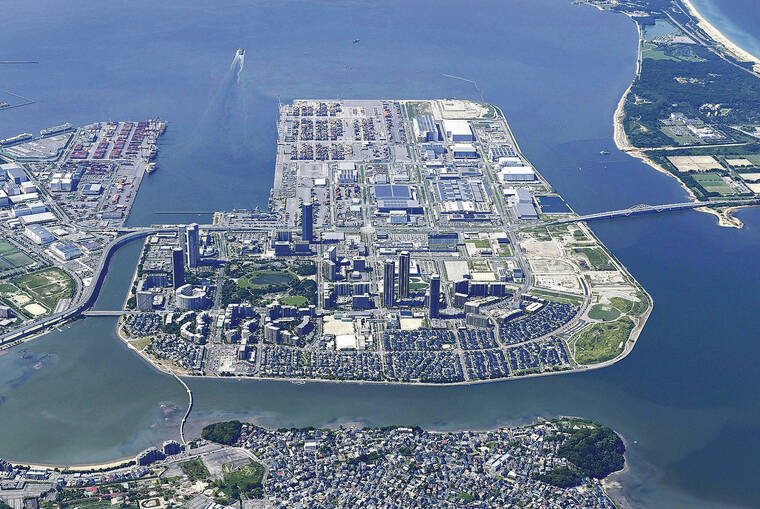
Fukuoka Island City, an artificial island located off the coast of Higashi ward in Fukuoka, Japan, celebrated its 20th anniversary in October 2023. Once deemed an “unsellable artificial island,” it has transformed into a vibrant community housing over 16,000 residents. This remarkable development highlights Fukuoka’s ongoing growth and urban renewal.
The island was created through a municipal reclamation project, utilizing sediment excavated from the seabed of Hakata Bay. Construction commenced in 1994, with the first residents moving in by December 2005. Initially, the island lacked essential services, forcing residents to travel off the island for daily necessities. This changed in 2007 with the opening of an elementary school, followed by a junior high school the following year.
As the community grew, so did its infrastructure. The establishment of Fukuoka Children’s Hospital in 2014 spurred increased bus routes, attracting businesses to the area with government subsidies. High-rise buildings began lining the streets, enhancing the island’s appeal.
The seaside town’s picturesque landscape has drawn international attention. Properties with views of the bay have become highly sought after, with real estate professionals noting that approximately 40% of the occupants in some condominiums are foreign residents. An international school for young children has also opened, further enriching the community’s diversity.
Mayor Soichiro Takashima, who played a crucial role in the island’s development for 15 years, expressed his pride during a recent news conference. “It’s deeply moving to think that children are being born and growing up here,” he stated. “It has become a green and wonderful town, exceeding what we imagined back then.”
As Fukuoka Island City enters its third decade, it stands as a testament to successful urban planning and development, illustrating how visionary projects can reshape communities and enhance quality of life. The island’s evolution from an unpromising plot of land to a flourishing residential area exemplifies the potential of artificial islands in modern urban landscapes.