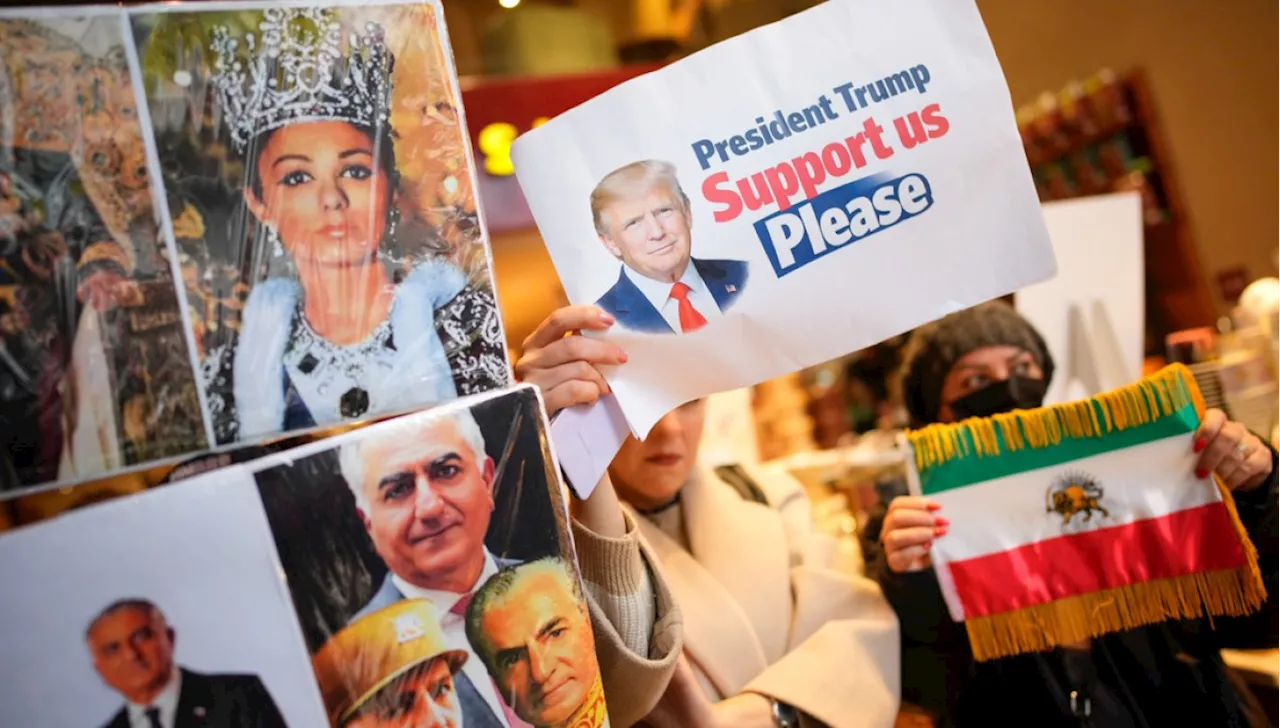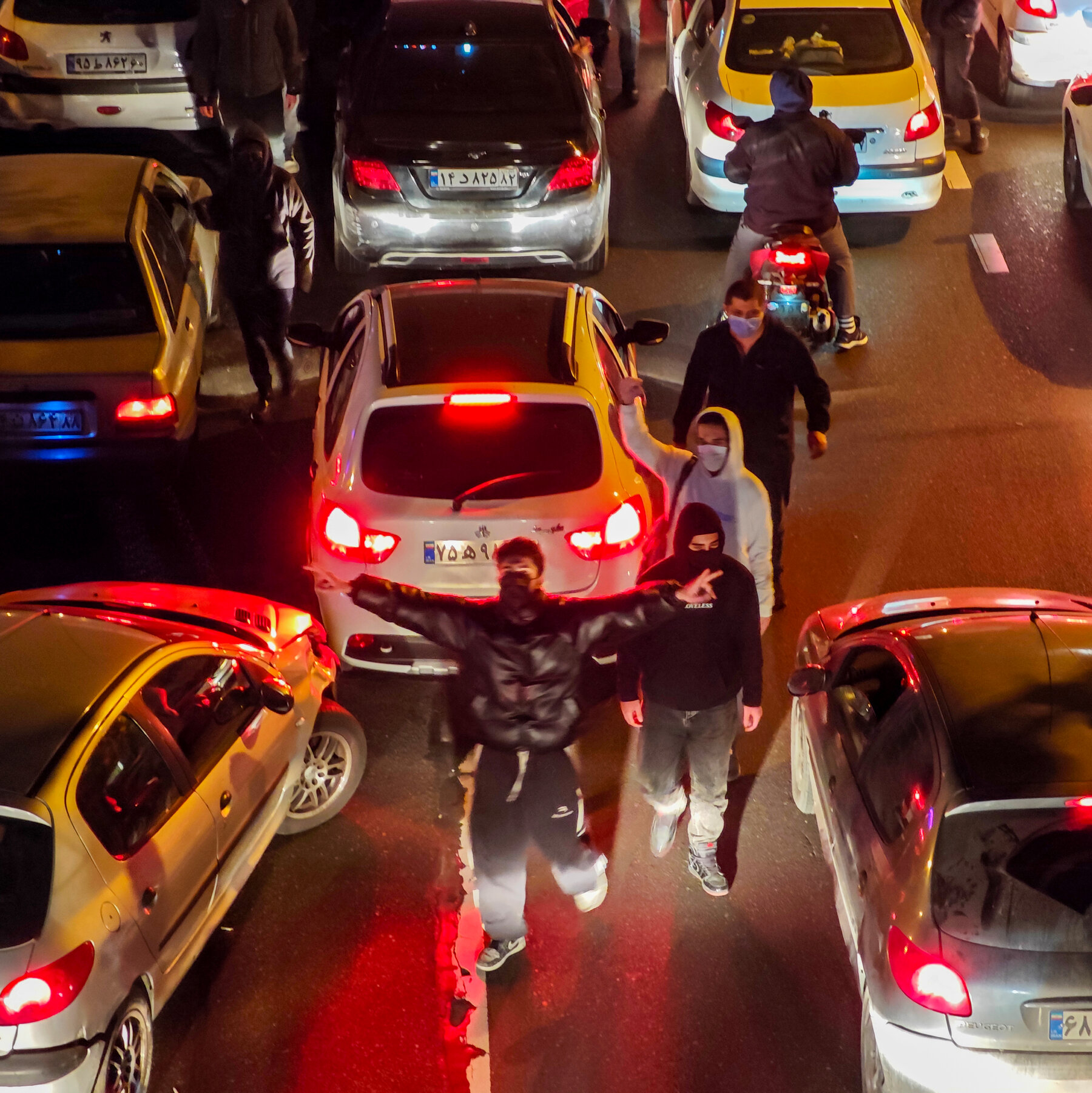
Recent protests across Iran highlight a significant shift in public sentiment against the regime, indicating that its primary tool of oppression—fear—may no longer be effective. Demonstrations have surged in various cities, with participants voicing their dissatisfaction with the government’s policies and practices. This wave of unrest follows the death of Mahsa Amini on September 16, 2022, which ignited widespread outrage and marked a turning point in the public’s willingness to confront authorities.
The Iranian regime has long relied on fear to suppress dissent and maintain control. However, the ongoing protests demonstrate that many citizens are willing to risk their safety to demand change. According to Human Rights Watch, more than 500 protesters have been killed and thousands arrested since the demonstrations began. These numbers underscore the escalating tensions between the government and its citizens, as the regime struggles to maintain its grip on power.
Public Response and International Reactions
In response to the protests, the Iranian government has intensified its crackdown, employing security forces to disperse crowds and employing measures to limit access to information. Nonetheless, many Iranians, especially the youth, have continued to rally against the regime, signifying a growing resolve to challenge the status quo.
Observers have noted that the protests are not solely about Amini’s death; they reflect broader discontent with the regime’s economic policies and human rights abuses. The United Nations has condemned the Iranian authorities for their heavy-handed tactics and has called for a thorough investigation into the violence against protesters. This international scrutiny may further isolate the Iranian government, complicating its efforts to quell dissent.
Despite the regime’s attempts to instill fear, there is a palpable sense of empowerment among the protesters. Many are using social media to organize demonstrations and share their experiences, bypassing state-controlled narratives. This shift indicates a generational change in attitudes toward authority, highlighting the populace’s desire for transparency and accountability.
Future Implications for the Iranian Regime
The current demonstrations pose significant challenges for the Iranian regime as it navigates a landscape marked by increasing discontent. The erosion of fear as an effective tool suggests that the government may need to reconsider its approach to governance. Analysts warn that a failure to address the underlying issues driving the protests could lead to further unrest and instability.
As the situation develops, the Iranian regime faces mounting pressure both domestically and internationally. The protests have garnered support from various human rights organizations and prominent figures worldwide, amplifying calls for justice and reform.
The future of Iran remains uncertain as citizens continue to demand their rights and challenge a regime that has historically suppressed dissent through fear. The outcome of these protests may significantly reshape the political landscape in Iran, with potential implications for the broader region.