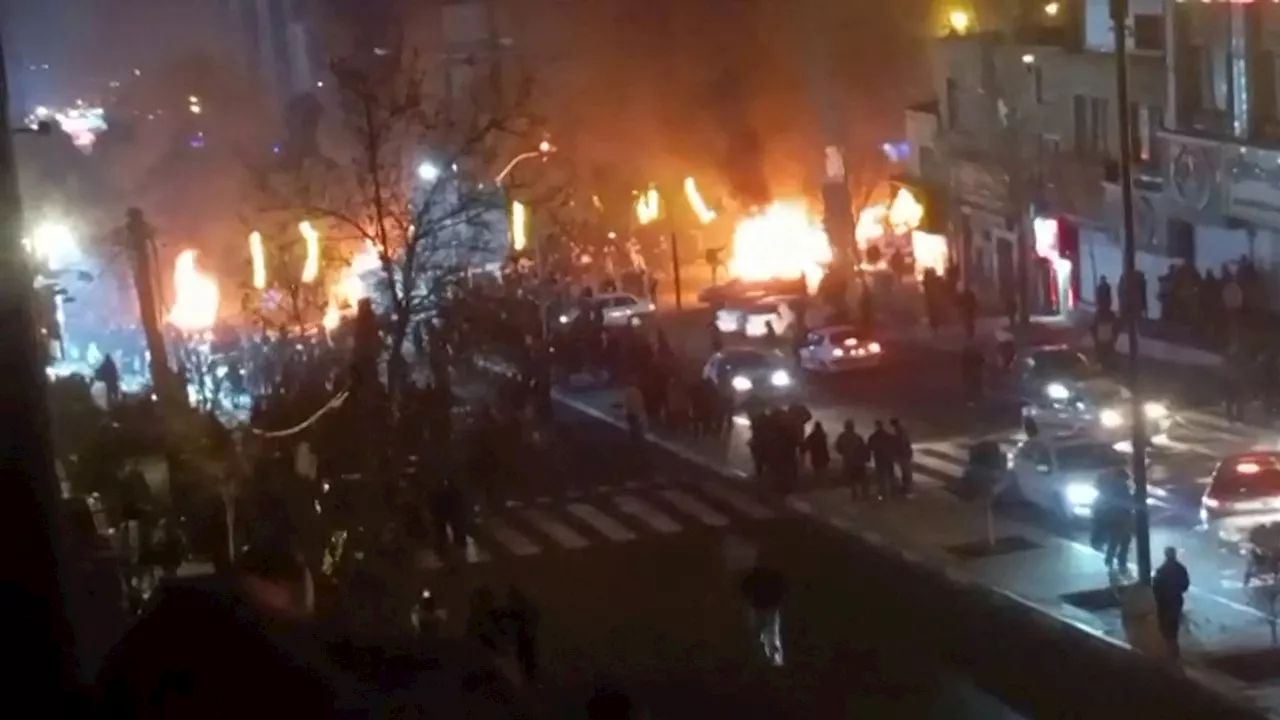
Protests in Iran have largely subsided following a brutal crackdown by security forces that has reportedly resulted in more than 2,800 deaths, according to activists. The demonstrations, which began in late December 2025, were initially sparked by public outrage over inflation and the devaluation of the national currency, eventually escalating into broader anti-government sentiment.
The Iranian government has implemented a complete shutdown of the internet for over a week, severely limiting communication within the country. This blackout has hindered efforts to gather comprehensive information, but reports are beginning to emerge from individuals who have managed to communicate via landlines, those using functioning Starlink satellite terminals, and Iranians who have recently left the country.
The atmosphere in Iranian cities has been described as eerily calm, with heavily armed security personnel enforcing what many residents characterize as a de facto curfew. According to Mehdi Yahyanejad, an Iranian activist currently in Washington, D.C., he has facilitated the delivery of hundreds of Starlink terminals to aid citizen journalists in circumventing government restrictions. Yahyanejad stated, “Unfortunately, the crackdown has been so severe the protests have pretty much come to a halt.” He noted the pervasive presence of security forces has instilled a profound sense of fear among the populace.
Despite the apparent decline in protests, Yahyanejad mentioned that signs of dissent still persist, with some individuals reportedly chanting anti-government slogans from their windows. In various neighborhoods, small groups of youths have gathered to voice their discontent before quickly dispersing upon the arrival of security forces.
The Human Rights Activists News Agency (HRANA) has stated that it is currently reviewing reports of nearly 1,700 additional deaths connected to the protests, although ABC News has not independently verified these figures. While the Iranian government has not released an official death toll, Ayatollah Ali Khamenei acknowledged on January 15, 2026, that thousands have died. Iranian authorities have previously described two-thirds of the deceased as “martyrs” killed by what they label as “terrorists” and “mercenary agents of Israel and the U.S.”
Yahyanejad expressed skepticism about the potential for protests to resume without external intervention, suggesting that further U.S. military action might be necessary to reignite public dissent. “I think if there is no action from the U.S., I don’t think they are going to come back that soon,” he remarked.
On January 15, President Donald Trump spoke to reporters about the situation, indicating that he made a personal decision not to pursue military strikes against Iran. This position seems to diverge from initial signals suggesting possible military support for the protesters. Trump also acknowledged that all scheduled executions in Iran were reportedly canceled, a claim made by the Iranian judiciary chief, Gholamhossein Mohseni-Ejei, who had previously indicated expedited trials and executions would follow arrests made during the protests.
Concerns have arisen regarding the treatment of detained individuals, with reports suggesting that injured protesters have avoided seeking medical assistance due to fears of being apprehended by security personnel at hospitals. Activists have also raised alarms about allegations that severely injured individuals were forcibly removed from medical facilities and executed. These claims are bolstered by videos purportedly showing bodies that display signs of having been treated in hospitals prior to their deaths.
As the Iranian government continues its crackdown on dissent, many remain apprehensive about the future of civil unrest in the country, with the potential for further violence looming as authorities tighten their grip on public expression.