As of January 18, 2024, the Moon has entered its New Moon phase, a period when it is positioned between the Earth and the Sun, rendering it invisible from our vantage point. This marks the conclusion of the current lunar cycle, which lasts approximately 29.5 days, according to NASA. From this point forward, the Moon will gradually become more illuminated each night, culminating in the next Full Moon on February 1, 2024.
During the New Moon, which occurs when 0% of the Moon’s surface is lit, it is impossible to observe any features on the lunar surface. As the lunar cycle progresses, the visibility of the Moon will increase, transitioning through various phases until it reaches full illumination. The last Full Moon was on January 3, 2024, and the upcoming days will see a shift in the Moon’s appearance as it begins to reflect more light.
Understanding the Lunar Cycle
The lunar cycle consists of eight distinct phases, each characterized by the amount of sunlight that reaches the Moon’s surface. These phases are a result of the Moon’s orbit around the Earth and its position in relation to the Sun. While the same side of the Moon consistently faces Earth, the illumination changes, giving rise to varying appearances. The phases include:
– **New Moon**: The Moon is completely dark as it lies between the Earth and the Sun.
– **Waxing Crescent**: A small sliver of light begins to appear on the right side.
– **First Quarter**: Half of the Moon is illuminated on the right side, resembling a half-Moon.
– **Waxing Gibbous**: More than half of the Moon is lit, nearing full illumination.
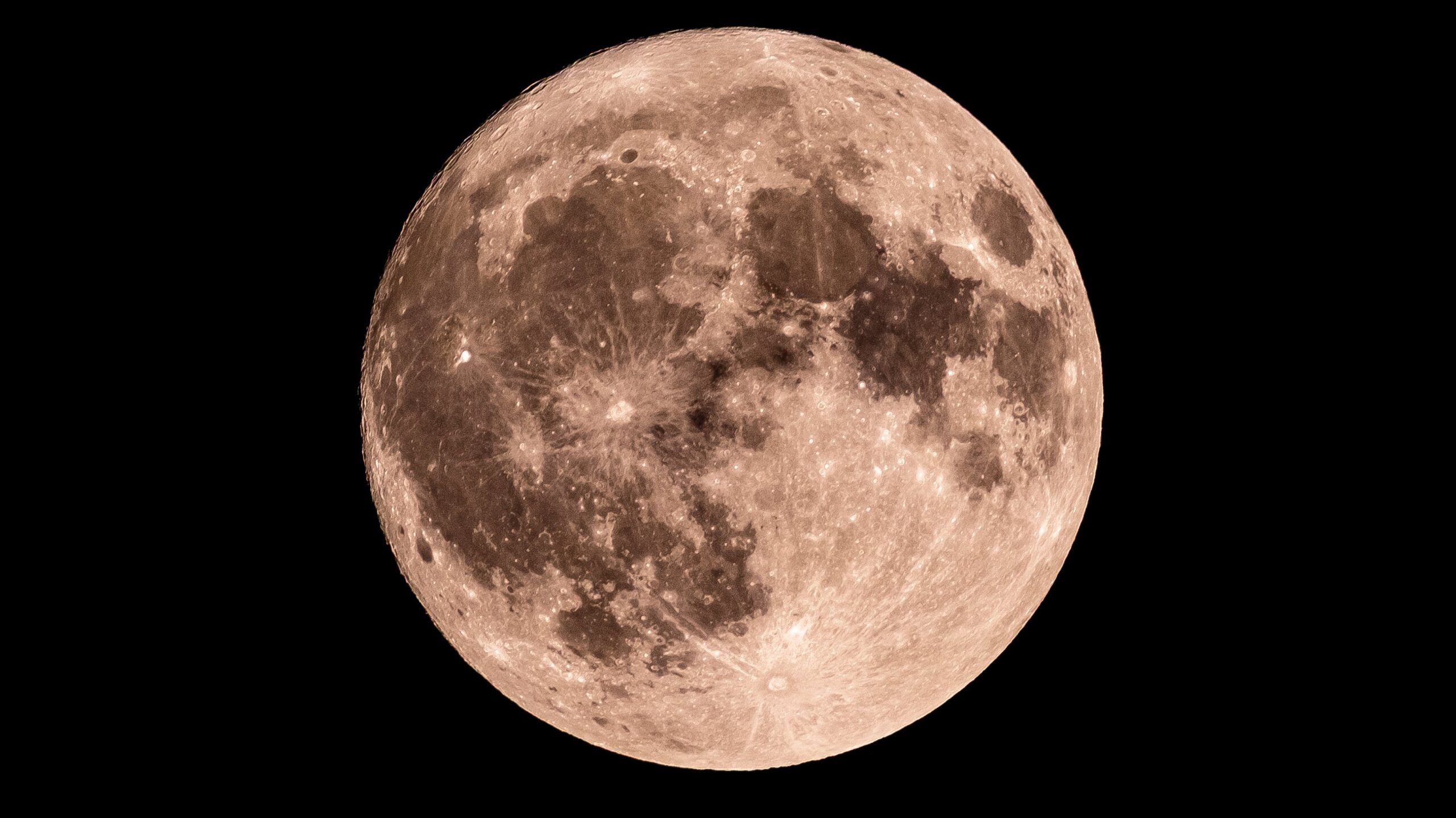
– **Full Moon**: The entire surface of the Moon is illuminated and fully visible.
– **Waning Gibbous**: The Moon starts to lose light from the right side.
– **Third Quarter**: Another half-Moon, but this time the left side is illuminated.
– **Waning Crescent**: A thin sliver of light remains on the left before it becomes dark again.
Understanding these phases enhances our appreciation of the Moon’s cycle and its impact on various aspects of life on Earth. Many cultures have historically tracked lunar cycles for agricultural, religious, or navigational purposes.
As the Moon progresses through its phases, amateur astronomers and lunar enthusiasts alike eagerly anticipate the changes. The gradual transition from darkness to full illumination provides a captivating spectacle in the night sky, inviting observation and reflection.
In summary, the New Moon on January 18 signifies the beginning of a new lunar cycle. With the next Full Moon on February 1, stargazers can look forward to a month of increasing lunar brightness, culminating in a stunning display.