Despite recent federal pressures aimed at limiting the number of international students in the United States, many colleges and universities in Massachusetts have shown resilience in maintaining their international student populations. Notably, institutions like Harvard University reported a record number of international students in the 2025 academic year, highlighting the ongoing appeal of selective colleges.
According to the Institute of International Education, while there was only a 1% decline in the total number of international students across U.S. institutions in fall 2025, the number of newly enrolled international students dropped significantly by 17%. This decline has raised concerns about the long-term implications for U.S. higher education, especially as the Trump administration continues to focus on immigration policies affecting foreign scholars.
Impact of Federal Policies on Enrollment Trends
The Trump administration has implemented various measures aimed at reducing international student enrollment, including proposed funding incentives for colleges that agree to limit international undergraduate enrollment to 15%. Despite these challenges, selective institutions are better positioned to attract international students due to their strong brand recognition and extensive resources.
Chris Glass, a professor of higher education at Boston College, explained that “selective institutions are in a significantly stronger position to manage these policy shocks.” He noted that the demand for such colleges remains consistently high, allowing them to absorb applicants who may have considered other options.
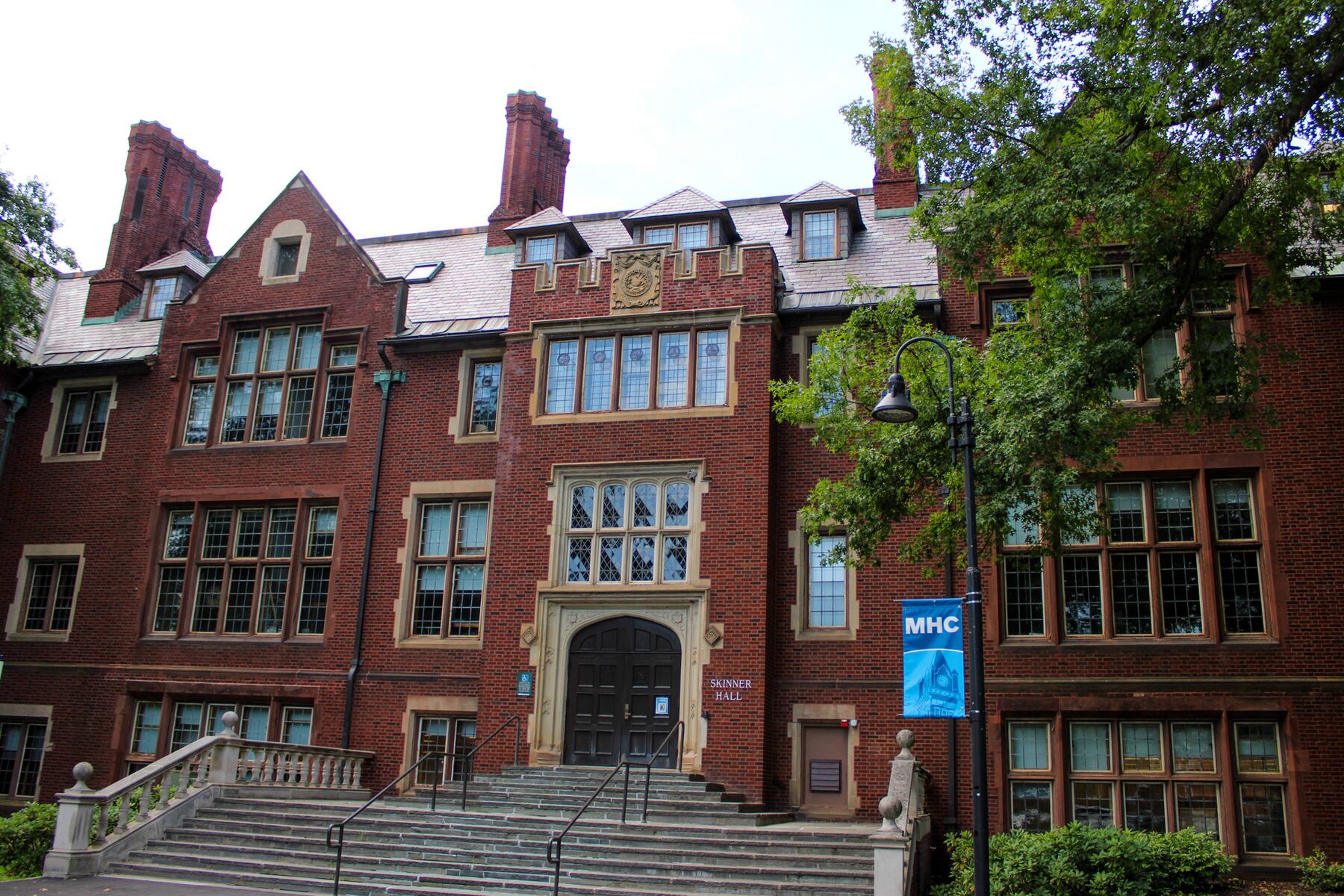
While most selective institutions faced slight declines in international enrollment, some, like Mount Holyoke College, saw growth in their international student populations. Mount Holyoke’s incoming undergraduate class increased from 19% to 25% international students, although the overall proportion of international undergraduates remained around 22%.
Conversely, Amherst College experienced a significant drop, with the percentage of international students in incoming classes falling from 16% to 10%. Other institutions, such as Wellesley College and the Massachusetts Institute of Technology, maintained stable figures of approximately 13% and 11%, respectively.
The Broader Context of International Education
The impact of federal immigration policies extends beyond individual institutions, affecting the overall landscape of international education in the U.S. Many institutions have adapted by offering alternatives for foreign students, such as online courses or the option to defer admission.
The Open Doors 2025 report indicated that the U.S. witnessed its most significant decline in international student enrollment since the pandemic in August 2023. This trend raises concerns about the potential weakening of the nation’s research capabilities and its international standing in higher education.
The Trump administration has also been vocal about its stance on international students, recently announcing a record 100,000 visa revocations, including 8,000 student visas. Actions taken included the termination of student visas en masse and increased scrutiny on visa applications from international students, particularly those aiming to attend Harvard.
In response to these actions, Harvard filed a lawsuit against the federal government after its certification for enrolling foreign students was revoked. A federal judge later ruled in favor of the university, emphasizing the contentious nature of federal regulations surrounding international education.
The broader implications of these policies are significant. A study by PEN America highlighted that more than half of U.S. college students now attend institutions in states with laws or regulations limiting academic freedom and the content that can be taught, reflecting a shift towards more politically conservative values in higher education.
As Massachusetts colleges navigate these challenges, the resilience of their international programs remains crucial. How institutions adapt to ongoing federal scrutiny and shifting enrollment trends will likely shape the future of international education in the United States.