Delta Air Lines has significantly expanded its fleet with a new order for the Boeing 787-10 Dreamliner, securing a deal for 30 aircraft, along with options for an additional 30. This announcement underscores the growing prominence of the 787-10, a modern widebody twinjet that is the largest variant in Boeing’s ‘Dreamliner’ family. With this in mind, a closer look at the airlines operating the 787-10 in 2026 reveals key insights into their fleets and planned flight schedules.
Singapore Airlines Leads the Pack
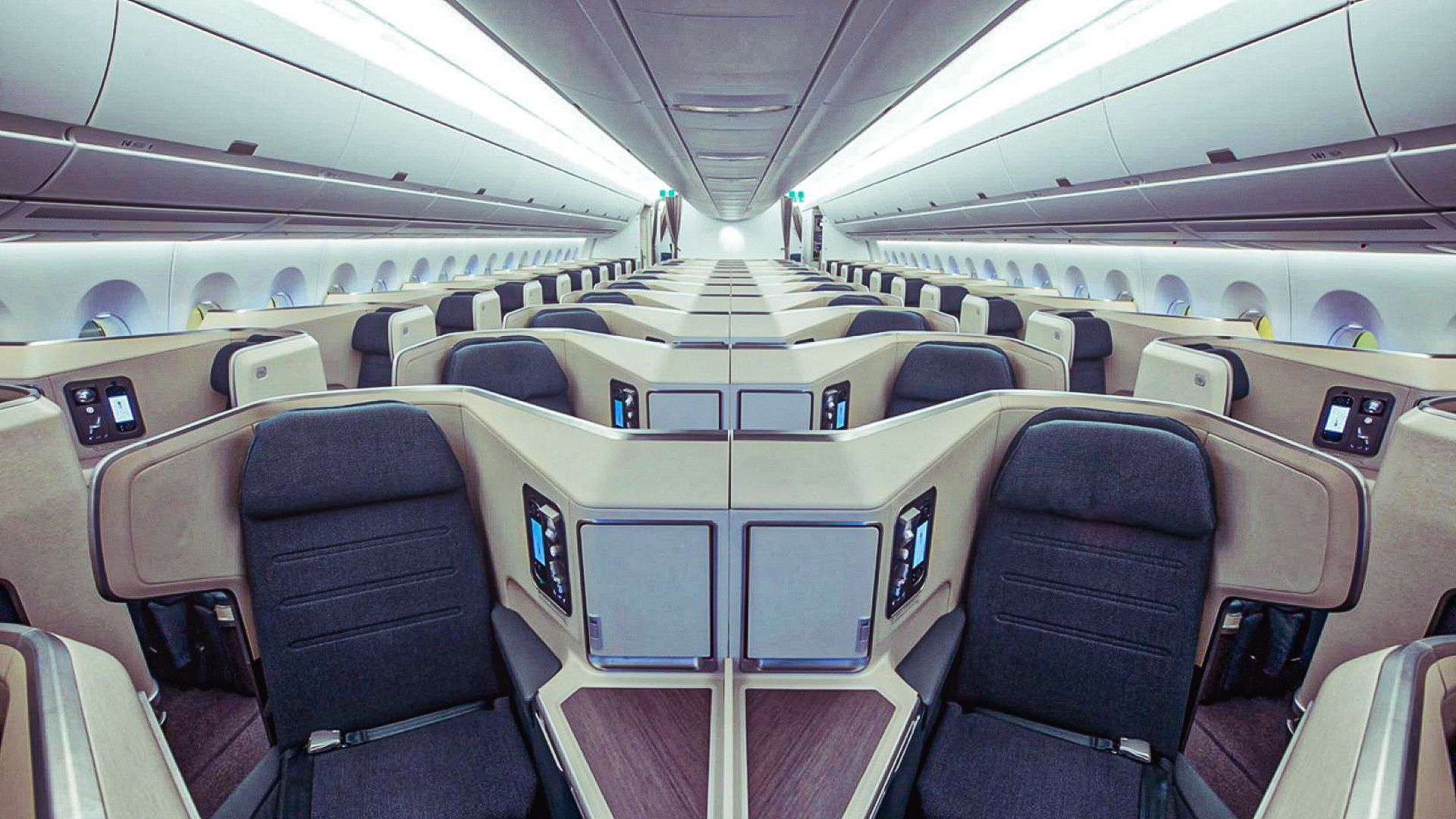
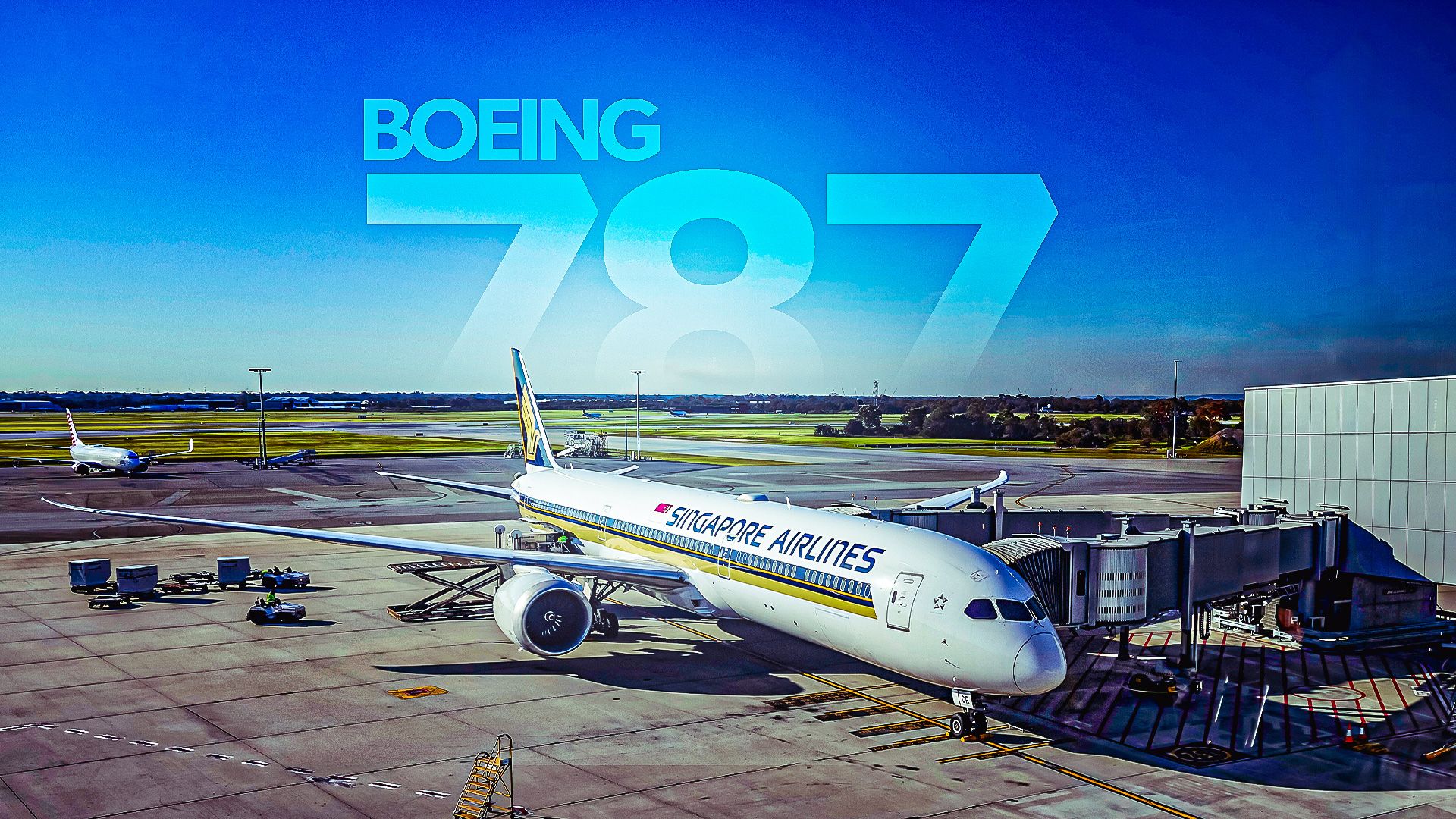
According to data from Cirium, Singapore Airlines emerges as the largest operator of the Boeing 787-10, boasting a fleet of 27 aircraft, with four more on order. The airline plans to conduct a remarkable 26,419 scheduled flights in 2026, offering approximately 8.9 million seats to passengers. Singapore Airlines configures its 787-10s in a two-class layout, featuring 36 business class and 301 economy class seats.
The carrier’s busiest routes connect its main hub at Changi Airport (SIN) with popular destinations such as Bangkok (BKK) and Denpasar (DPS), with frequencies peaking at six daily round trips during the summer season. Reflecting on the aircraft’s impact, CEO Goh Choon Phong remarked in 2018, “The 787-10 is a magnificent piece of engineering and truly a work of art. It will be an important element in our overall growth strategy.”
United Airlines and Other Major Operators
Following Singapore Airlines, United Airlines ranks second in both fleet size and planned flights for 2026, with 21 787-10s and 11,508 scheduled flights. The discrepancy in flight numbers, despite a similar fleet size, can be attributed to United’s focus on long-haul routes compared to Singapore Airlines’ emphasis on regional services. Notable routes for United include flights from Newark to Los Angeles and Tel Aviv.
EVA Air holds the third position, with 11,064 planned flights in 2026, although it operates a smaller fleet of 13 787-10s. Its top routes link Taipei with Osaka and Tokyo Narita, with frequencies reaching up to three times daily. Dutch airline KLM follows closely, planning 10,052 flights with its 14 aircraft in the same model, primarily connecting Amsterdam with Los Angeles and New York.
The All Nippon Airways (ANA) ranks fifth with 9,351 scheduled flights in 2026, operating a total of 10 787-10s. The Japanese carrier’s most frequent route connects Tokyo Haneda with Sapporo, reinforcing Japan’s reputation for utilizing widebody aircraft on domestic routes. British Airways, with 12 787-10s and an additional 38 on order, plans 7,762 flights, focusing primarily on long-haul destinations.
Among other notable operators, Vietnam Airlines has scheduled 7,657 flights with its six 787-10s this year, with the domestic route from Hanoi to Ho Chi Minh City being a highlight. Korean Air, with 13 787-10s and 27 more on order, expects to operate 7,407 flights, while Etihad Airways plans 6,582 flights with its fleet of 10 aircraft. Saudia, operating eight 787-10s, is set for 4,076 flights in 2026.
The latest addition to the Boeing 787-10 family is TAAG Angola Airlines, which received its first aircraft in November 2025. The African carrier currently has two units in its fleet and has scheduled 34 flights in January 2026, consisting of 17 round trips between Luanda and São Paulo. As additional routes are confirmed, the airline’s operations are expected to grow throughout the year.
As airlines continue to integrate the Boeing 787-10 into their fleets, the aircraft’s advanced capabilities and efficiency position it as a key player in the future of international aviation.