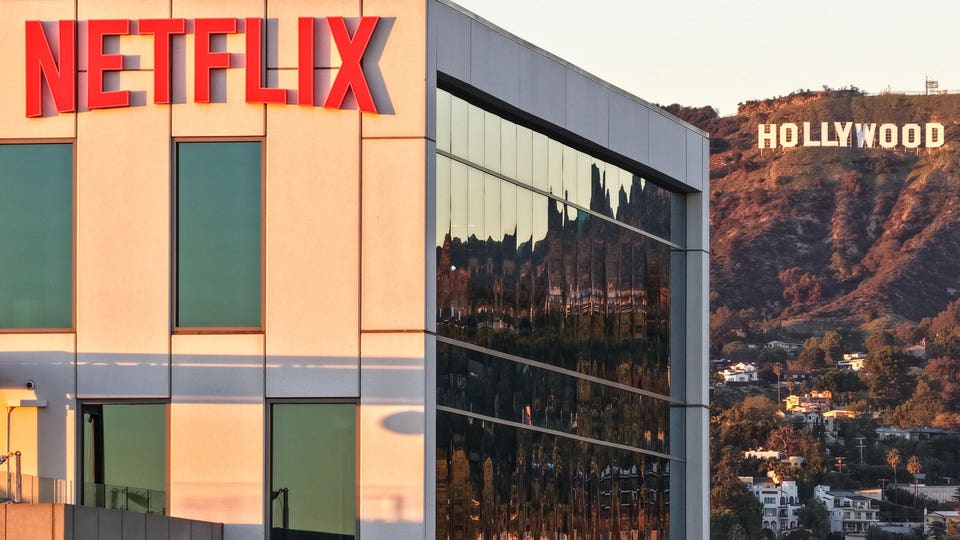
Netflix shares experienced a significant decline of 6.5% in premarket trading on Wednesday, following the release of its fourth quarter earnings report. Despite narrowly beating Wall Street estimates, the streaming service’s projections for increased spending this year raised concerns among investors. Early trading saw the company’s stock price fall to $81.33, down from the previous day’s close.
In the fourth quarter, Netflix reported a revenue increase of 18% year over year, reaching $12.05 billion. This figure slightly exceeded analysts’ expectations of $11.97 billion. Additionally, the company’s earnings per share were 56 cents, surpassing the anticipated 55 cents. Netflix’s global subscriber base also grew, reaching 325 million compared to 301 million at the end of 2024.
While these figures suggest robust performance, Netflix’s forecasts for the current quarter fell short of Wall Street predictions. The company announced plans to increase spending on original content by 10% this year. This increase includes an anticipated $275 million related to its planned acquisition of Warner Bros., which is expected to total $83 billion.
CEO Discusses Strategic Acquisition Plans
During the earnings call, Netflix CEO Ted Sarandos emphasized the importance of the Warner Bros. acquisition, calling it “a strategic accelerant.” He mentioned that the company is diligently working towards finalizing the deal, which would integrate Warner Bros.’ streaming and studio operations into Netflix’s portfolio.
Sarandos also addressed the potential impact of the acquisition on theatrical releases. He indicated that Netflix has previously considered building a theatrical business but never prioritized it. With the addition of Warner Bros., he expressed enthusiasm about accessing a “mature, well-run theatrical business with amazing films.” He reiterated that Warner films will be distributed in theaters with a 45-day release window.
Furthermore, Sarandos praised HBO, which is part of the Warner acquisition, stating, “HBO is an amazing brand. It says prestige TV is better than almost anything. Customers know it. They love it.” He attempted to downplay concerns regarding competition, asserting that Netflix competes with a wide range of platforms, from traditional broadcast TV to social media.
“TV is now just about everything,” Sarandos noted, highlighting the evolving landscape of content consumption. He pointed out that major events like the Oscars and the Super Bowl are now available on platforms such as YouTube and streaming services. This shift in the market landscape underscores the competitive nature of the entertainment industry.
As Netflix navigates this transformative period, the combination of increased spending and strategic acquisitions aims to solidify its position in an increasingly crowded market. Despite the initial drop in share prices, the company remains focused on growth and adapting to the changing dynamics of viewer preferences.