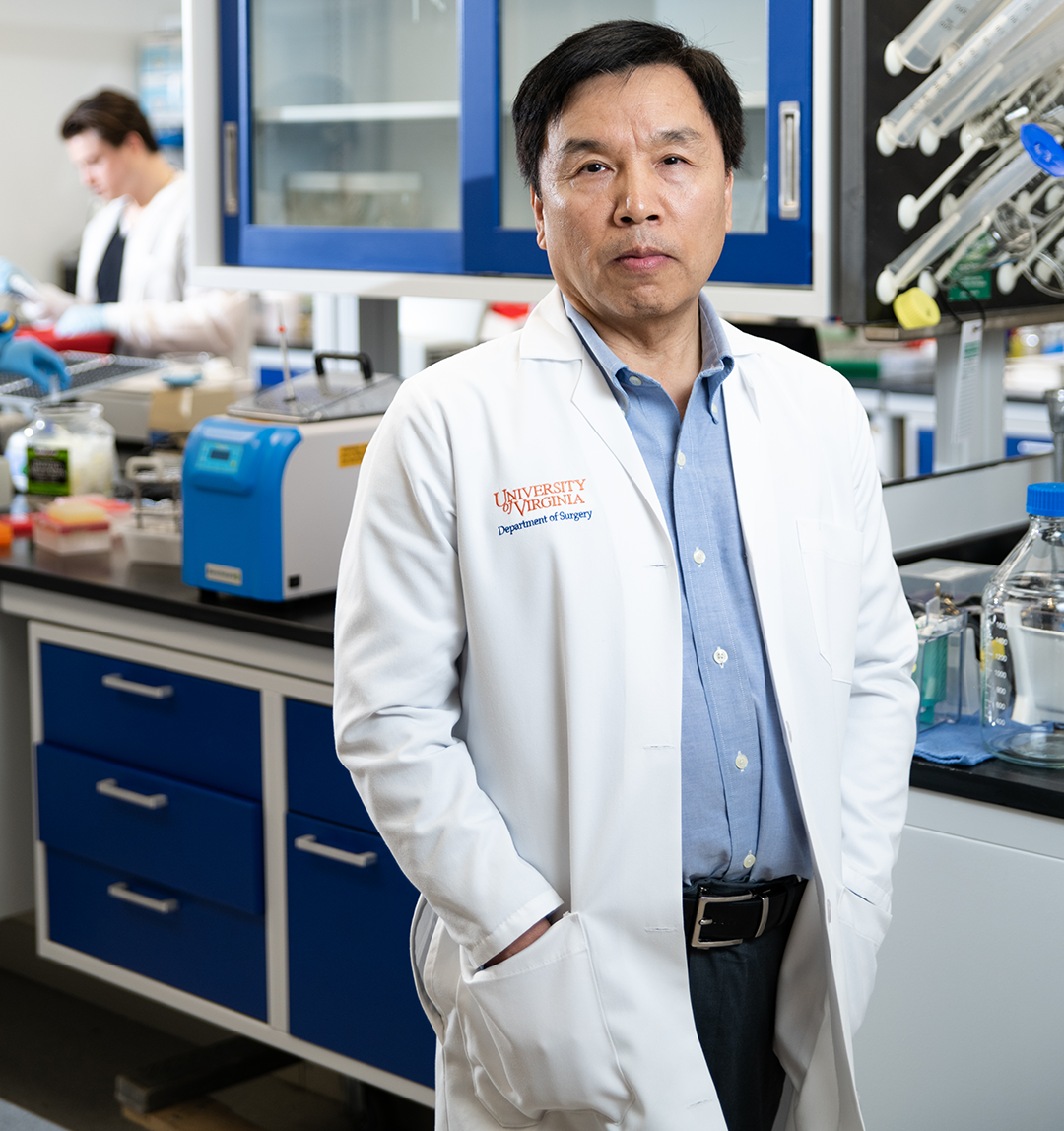
The University of Virginia (UVA) has announced a groundbreaking clinical trial for a novel antibody therapy aimed at treating sepsis-induced acute respiratory distress syndrome (ARDS). The trial, which is a first-in-human study, seeks to address a critical gap in treatment options for this life-threatening condition. The investigational therapy, known as hCitH3-mAb, targets a specific molecule implicated in severe immune overreactions that can lead to organ failure.
Targeting Immune Dysfunction
Sepsis and ARDS are among the leading causes of mortality in intensive care units, but no therapies currently approved by the U.S. Food and Drug Administration (FDA) directly address the underlying immune dysfunction associated with these conditions. Research conducted by a team at UVA, led by Dr. Jianjie Ma, has identified CitH3 as a crucial molecular driver of this harmful immune response. The therapy aims to neutralize CitH3, potentially shifting the treatment paradigm for patients suffering from these severe inflammatory diseases.
“We found that CitH3 is one of the key triggers that turns helpful immune responses into harmful ones,” stated Dr. Ma, who is also the director of the Division of Surgical Sciences at the UVA School of Medicine. “If we can block it, we can protect tissues and organs at the very moment they are most vulnerable.” This innovative approach offers a new strategy to tackle a condition that has long relied on nonspecific treatments.
Clinical Trial Details
The Phase 1a study will initially test the therapy in healthy volunteers before progressing to patients diagnosed with sepsis-induced ARDS. Dr. Alpha Fowler, a specialist in sepsis and ARDS at Virginia Commonwealth University, will lead the trial. He expressed optimism about the potential impacts of this research, saying, “With more than 35 years of caring for ICU patients with sepsis, I look forward to working with this outstanding group to execute the clinical trial. My hope is that we can finally ‘crack the code’ of sepsis and bring this first-in-class immunotherapeutic to patients who desperately need new options.”
Dr. Imre Noth of UVA Health will co-lead the multicenter Phase 2a trial, emphasizing the collaborative effort required to advance this promising therapy. If successful, hCitH3-mAb could provide a much-needed solution for patients facing severe inflammatory responses and limited treatment choices.
Collaboration and Innovation
The development of this therapy highlights the importance of collaboration in biomedical research. UVA’s spin-off company has partnered with SparX Biopharmaceutical Corp. to ensure the therapy meets FDA production standards. Financial support from the Virginia Catalyst Program has also played a crucial role in propelling this project forward. Dr. Ma commented, “This is the kind of impact universities can have when discovery science, clinical expertise, and regional biotech innovation work together. Our goal is simple: get a lifesaving therapy to patients who desperately need it.”
The initiative reflects the growing focus on biotechnology at UVA, particularly through the Paul and Diane Manning Institute of Biotechnology. Dr. Mark Esser, Chief Scientific Officer at the institute, remarked, “The hCitH3-mAb program showcases the innovation emerging from UVA investigators and the collaborative spirit required to move a complex biologic from the lab to first-in-human studies. It’s an exciting moment for UVA, HTIC, and most importantly, for sepsis patients who desperately need new therapies.”
As the clinical trial progresses, the medical community will be watching closely to see if this innovative approach can deliver effective treatment options for patients suffering from sepsis and ARDS. The outcome could not only save lives but also transform the management of these critical conditions.