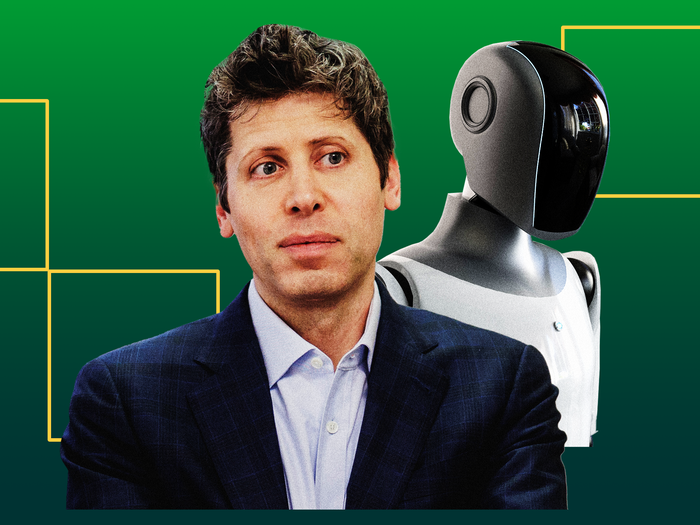
OpenAI is intensifying its focus on robotics, establishing a new lab in San Francisco dedicated to developing humanoid robots for household tasks. The initiative marks a significant shift for the company, which previously halted its robotics program in 2020. Over the past year, OpenAI has quietly built a team of around 100 data collectors who work continuously to train robotic arms capable of performing everyday chores.
The renewed interest follows comments made by OpenAI’s CEO, Sam Altman, who suggested that the world is on the brink of a “humanoid robots moment.” Sources indicate that the new lab operates from the same building as the company’s finance team and has been expanding its workforce significantly since its launch in February 2025.
Gearing Up for Consumer Robotics
OpenAI’s strategy includes collaborating with U.S.-based manufacturers for various hardware projects, including robotics. The company recently issued a request for proposals aimed at potential partners for its consumer device initiatives. Specific financial details and timelines for these projects have not been disclosed, and a representative for OpenAI declined to provide further comments on the matter.
The lab has reportedly grown more than fourfold since its inception, with plans for a second facility in Richmond, California. This expansion reflects OpenAI’s ambition to develop consumer-friendly robotics solutions. Current projects focus on teleoperating robotic arms designed for household chores, using innovative 3-D printed controllers known as GELLOs to streamline operations.
“Everyone is fighting for a way to develop large data sets,” said Jonathan Aitken, a robotics expert at the University of Sheffield. “The issue has always been obtaining that data set.”
The robotic arms, created by German company Franka, are capable of performing simple tasks such as putting bread in a toaster or folding laundry, with the aim of progressively tackling more complex activities as the training data accumulates.
Data-Driven Approach to Robotics
OpenAI’s approach to robotics differs from competitors like Tesla, which often showcase elaborate demonstrations with full humanoid robots. Instead, OpenAI is utilizing a contractor-driven data collection model to train robotic arms on basic tasks. This method allows for a more scalable and cost-effective way to gather the necessary data for training.
The lab operates in a three-shift system, collecting data around the clock. Cameras monitor both the operators and the robots to evaluate performance, with each worker assessed based on the number of “good hours” of functional data generated. This reliance on contract workers and performance metrics mirrors the data labeling practices previously utilized for OpenAI’s language models.
As the robotics lab continues to evolve, OpenAI is adopting a unique strategy that emphasizes data collection and training through teleoperated arms. This approach aligns with findings from a 2023 study by the University of California, Berkeley, which proposed a low-cost and scalable system for robotics data collection.
According to insiders, OpenAI aims to enhance productivity and efficiency within the lab to maximize the amount of functional training data available for the robots. The data collection efforts have reportedly doubled expectations in recent months, underscoring the company’s commitment to advancing its robotics initiatives.
While it remains uncertain how quickly OpenAI will transition this data into a fully operational humanoid robot, the company’s focus on teleoperated arms and innovative data collection strategies could provide a significant advantage in the competitive robotics landscape.