UPDATE: In a stunning turn of events, Charles Bediako has been granted a temporary restraining order allowing him to return to play for the Alabama Crimson Tide this season. The ruling comes just days before Alabama is set to face the Florida Gators on February 1, 2024, igniting fierce debate in college basketball.
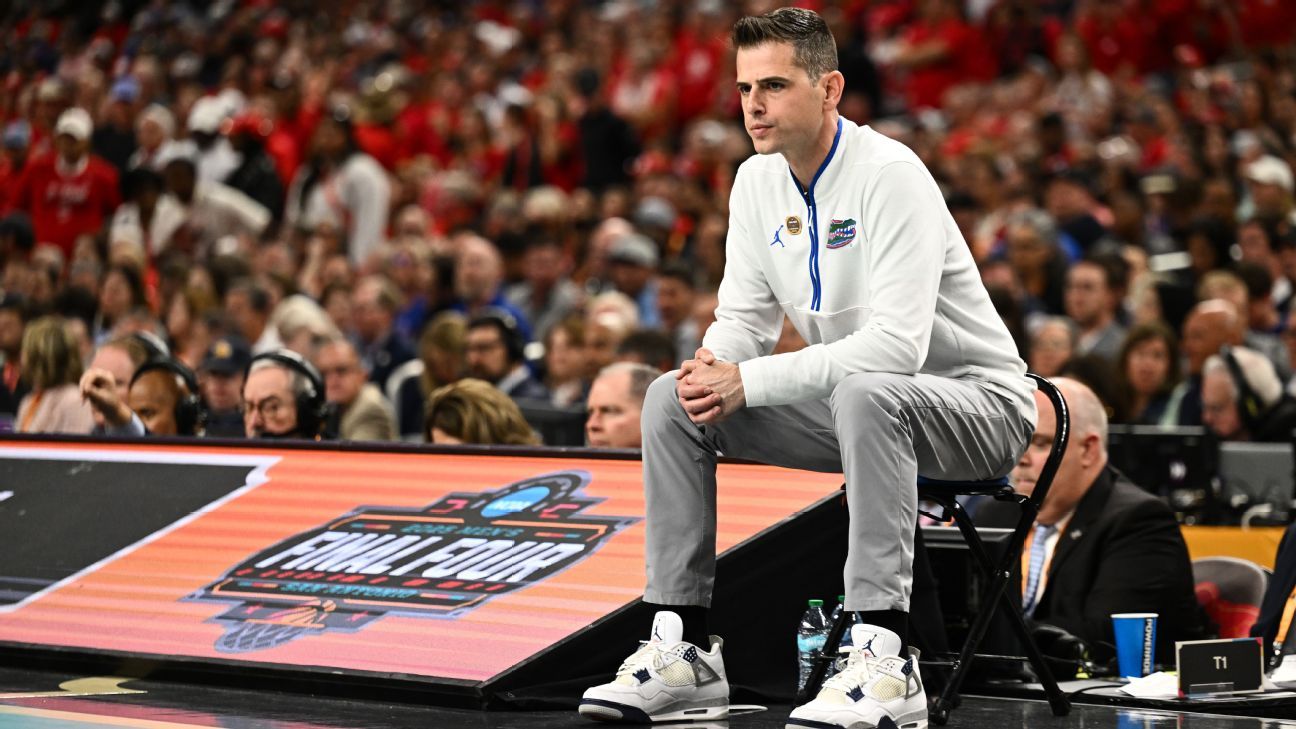
During a recent appearance on Gator Talk, Florida coach Todd Golden expressed his disagreement with the decision, stating, “If he plays, we’ll beat ’em anyways.” His confidence highlights the competitive tension surrounding this controversial situation.
Bediako, a former standout for Alabama, declared for the 2023 NBA draft but went undrafted. He subsequently signed a two-way contract with the San Antonio Spurs. Earlier this week, he filed a lawsuit against the NCAA after the organization denied Alabama’s appeal for his eligibility to return. Judge James H. Roberts Jr. of the Tuscaloosa Circuit Court ruled in favor of Bediako, stating the NCAA cannot impose penalties against him or the university.
This ruling arrives amidst evolving NCAA policies regarding player eligibility. While the NCAA has allowed international players and G League participants to return to college, this marks the first instance where a player who declared for the NBA draft and signed a contract after playing college basketball has been permitted to return to Division I competition.
Golden articulated a broader concern about the implications of such rulings, emphasizing the slippery slope they create for college athletics. He remarked, “This guy had a great opportunity. He was at Alabama for two years… He was aware of what he was giving up by declaring to go to the draft. That’s always been, if you stay in, you sign a contract, you’re done.”
The temporary restraining order is valid for 10 days, with a preliminary injunction hearing set for Tuesday, January 30, 2024, just five days before the much-anticipated matchup between Alabama and Florida.
Golden noted the challenges faced by schools and conferences in navigating such legal interventions. “With all this intervention from judges, there’s only so much the league can do,” he said, calling for a collective stance against these situations in college basketball.
As developments unfold, all eyes will be on the upcoming hearing and the implications it may have for the future of college basketball. This case could set a pivotal precedent as the NCAA grapples with its evolving regulations on player eligibility and contracts.
Stay tuned for more updates as this story develops.