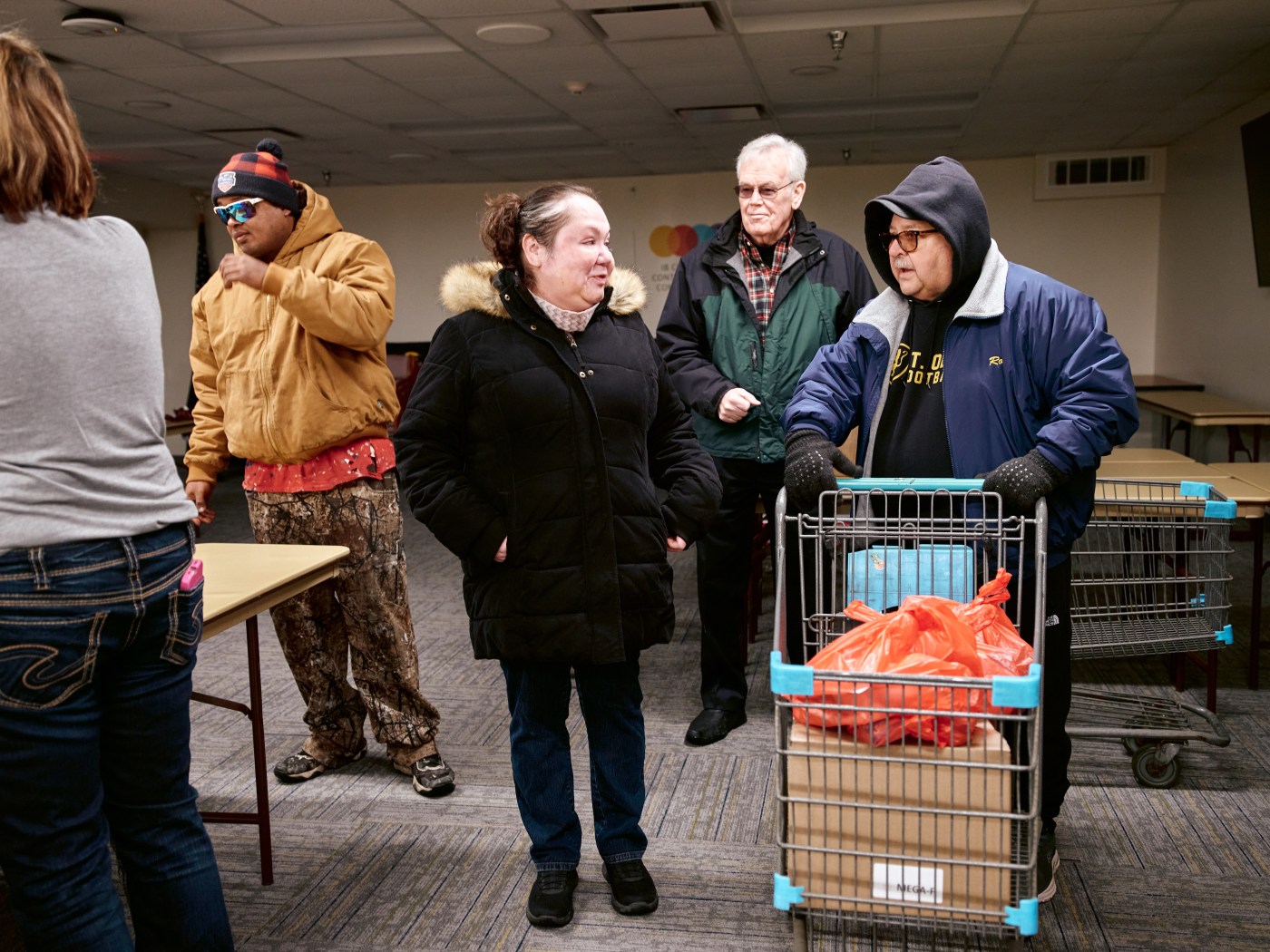
Fare For All, a nonprofit initiative aimed at providing affordable groceries, will cease its metro services after February 2026. This decision affects locations including St. Paul, Eagan, and White Bear Lake, as announced by The Food Group on Monday. The program will continue to operate at nine sites in Greater Minnesota, emphasizing a shift in resources to areas with limited grocery access.
Since its inception in 2002 and under its current model since 2008, Fare For All has provided discounted packs of fresh produce and frozen meat, offering savings of up to 40 percent off retail prices. The program has been particularly valuable during recent times, as grocery prices have surged. In contrast, the Twin Cities Mobile Market, a grocery store bus that serves various neighborhoods, will maintain its operations.
In an email sent to Fare For All users, The Food Group explained the rationale behind the change. “With food prices remaining high, we need to invest our resources in communities that lack grocery store access,” the email stated. It acknowledged the potential disappointment this news may cause for many households that rely on the service.
The competitive grocery landscape has transformed significantly since Fare For All’s launch. The introduction of discount chains like Aldi in 2003 and the availability of affordable options at places like Sam’s Club and Costco have altered consumer behavior. “Having more affordable grocery options can really mean that we see fewer participating at Fare for All,” said Sophia Lenarz-Coy, executive director of The Food Group.
Participation in Fare For All has declined sharply since the onset of the COVID-19 pandemic. In 2018, the program served 53,317 households, but this number fell to 34,343 in 2025, representing a decrease of approximately 36 percent. Lenarz-Coy noted that the disruptions caused by the pandemic led to reduced participation at several metro locations.
Food sourcing has also become increasingly challenging due to rising retail competition. “Our sourcing team has to work harder and harder,” Lenarz-Coy explained, indicating that securing good deals on items like frozen meat has become more difficult over the years.
The decision to discontinue metro services is part of a broader reassessment of how best to allocate resources. “We started to think about, as an organization, how do we best invest our resources?” Lenarz-Coy added.
Reactions to the announcement have varied on Fare For All’s Facebook page. Some expressed disappointment, citing financial constraints, while others highlighted the broader community impact. “I live on social security and this makes me very sad as it really helped me,” one user commented. Another wrote, “Bad bad timing! I am positive that inner city folks could sure benefit from Fare for All services during this time!”
Despite the discontinuation of metro services, The Food Group remains committed to supporting food access initiatives. They will continue to operate the Fair For All program at nine locations outside the metro, including North Branch, Mankato, and Rush City. The last metro stop will occur on February 13, 2026, at the West Seventh Community Center in St. Paul.
Going forward, The Food Group will focus on the Twin Cities Mobile Market as its primary grocery solution in the metro area. Lenarz-Coy emphasized the organization’s dedication to food justice and equity across Minnesota, stating, “We are also differentiating our two affordable grocery programs geographically.”
For more information regarding the Fare For All schedule and services, visit The Food Group’s official website. The organization continues to prioritize making nutritious food accessible to communities in need while adapting to the changing landscape of grocery shopping.