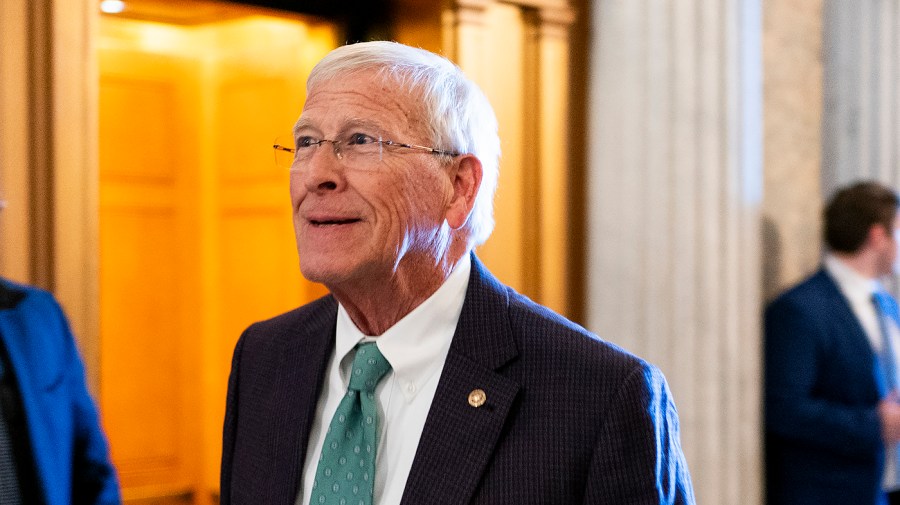
Senator Roger Wicker (R-Miss.) has expressed strong opposition to a proposal from the Trump administration for a new Immigration and Customs Enforcement (ICE) detention facility in Mississippi. Wicker argues that the establishment of such a facility would negatively impact the local economy, despite his support for enforcing immigration laws.
In a statement, Wicker highlighted concerns that the detention center could deter businesses from investing in the region. He emphasized the importance of maintaining a healthy economic environment while addressing immigration issues. “While I believe in the enforcement of our immigration laws, I cannot support a facility that may harm our community’s economic prospects,” he said.
Wicker’s remarks come as ICE plans to expand its detention capabilities across the country, a move that has drawn mixed reactions from various stakeholders, including local officials and advocacy groups. The senator’s position reflects a growing sentiment among some lawmakers who are wary of the long-term implications of such facilities on their constituencies.
The proposal has sparked debate within Mississippi, where the potential facility could create jobs, but also raise concerns over the treatment of detainees and community resources. Critics argue that the presence of a detention center may strain local services and foster a negative image of the area.
Wicker’s opposition adds to a list of challenges facing the Trump administration’s immigration policies. Several lawmakers have voiced their concerns about the administration’s approach to immigration enforcement, particularly regarding the impact on local communities.
As discussions continue, Wicker remains firm in his stance. He urges the administration to consider alternatives that would not compromise the economic integrity of Mississippi while still addressing immigration law enforcement.
The situation underscores the complexities of immigration policy in the United States, where local interests often clash with federal initiatives. Moving forward, it remains to be seen how the administration will respond to Wicker’s concerns and whether they will seek to engage with local leaders on this pressing issue.