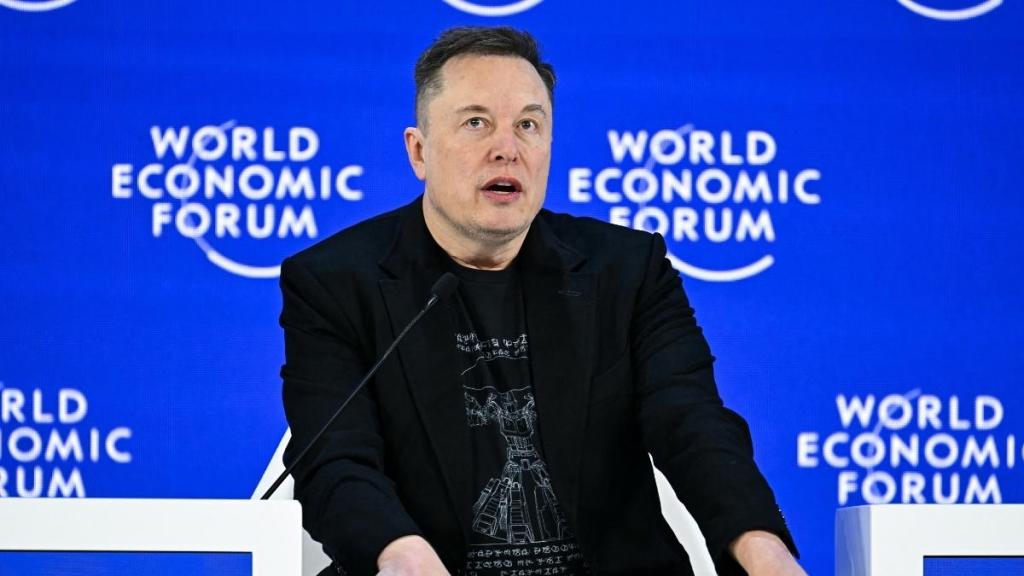
Elon Musk must answer questions under oath regarding his involvement with the Department of Government Efficiency (DOGE), a federal initiative aimed at reducing government spending. A ruling from U.S. District Judge Theodore Chuang confirmed that Musk cannot evade a deposition linked to a lawsuit from former and current employees of the United States Agency for International Development (USAID).
In an eight-page ruling issued on March 5, 2024, Judge Chuang dismissed arguments from Musk’s legal team that sought to prevent him from being questioned. The judge stated that Musk does not meet the qualifications for protection under the “apex doctrine,” which typically shields high-ranking officials from depositions.
The litigation centers on Musk’s leadership of DOGE during President Donald Trump‘s second term. The agency was established to target perceived inefficiencies in federal operations, with USAID among its primary focuses. Employees allege improper actions during the agency’s disbandment, prompting legal action.
Judge Chuang’s decision also permits depositions for Peter Marocco, the former acting head of USAID, and Jeremy Lewin, a State Department official. The judge emphasized that many individuals associated with DOGE held temporary positions, complicating their eligibility for legal protections typically available to long-serving officials.
Key to the judge’s ruling was the absence of clear explanations from Musk and other defendants about critical decisions, including why USAID’s headquarters and website were taken offline. Judge Chuang indicated that the lack of documentation necessitated sworn testimony to ascertain who was responsible for these actions and the rationale behind them.
The lawsuit highlights the complexities of federal agency management and accountability, particularly during a time of significant government restructuring. As the case progresses, the depositions are expected to shed light on the decisions made under Musk’s leadership and their impacts on agency operations.
Musk’s upcoming testimony could provide crucial insights into the controversial actions taken by DOGE and their implications for federal governance. The outcome of this legal battle may influence future oversight of federal agencies and their leadership practices.