Florida lawmakers are moving forward with a bipartisan bill that could see cameras installed in special education classrooms across the state. The legislation, aimed at enhancing safety for students who may be vulnerable to abuse, has garnered significant support from both sides of the political aisle. The House bill, known as HB 859, was co-sponsored by Representatives Chase Tramont, a Republican from Port Orange, and Kevin Chambliss, a Democrat from Homestead. This bill successfully passed its first committee last week and advanced through a second committee on March 6, 2024.
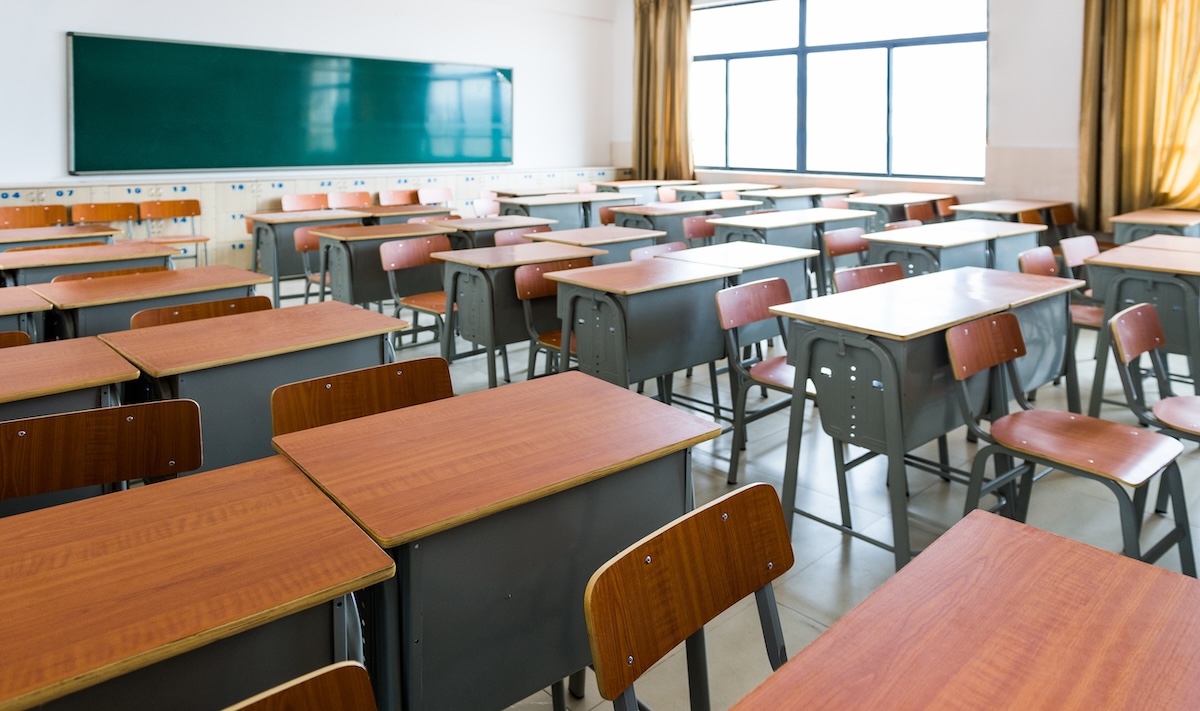
The Senate counterpart, SB 1170, sponsored by Senator Alexis Calatayud, a Republican from Miami, has also made progress, receiving approval from its first committee on March 5, 2024. Both bills propose a framework that allows parents to request the installation of video cameras in classrooms where the majority of students are receiving special education services.
Supporters argue that these measures are necessary to protect students, particularly those who are nonverbal and unable to communicate instances of mistreatment. “This is a situation that is a safety concern,” Chambliss stated during his presentation to the House PreK-12 Budget Subcommittee. He emphasized that safety must be a top priority in resource allocation.
Parents would be allowed to submit one request per student each school year, and schools would need to establish criteria for processing these requests. If approved, cameras would be installed within 30 days.
Advocates for the bill have shared personal testimonies highlighting the need for increased oversight in special education settings. Elizabeth Bonker, a member of a federal autism research committee, remarked before the Senate Education Pre-K-12 committee, “SB 1170 is vitally important to protect voiceless children. Speaking children can come home and tell you if they have been locked in a closet, but a non-speaking child cannot.” Her words, delivered through a text-to-speech program, underscored the critical gap in communication for many special needs students.
While the bills have received unanimous support in committee votes, concerns about potential overreach into classroom management have been raised. Nonetheless, Bonker addressed these worries by reminding lawmakers of their commitment to protect all citizens, including those unable to speak for themselves. She argued that implementing cameras could also save school districts significant legal costs by preventing incidents of abuse.
According to a report from the U.S. Department of Education, students with disabilities often face heightened disciplinary measures due to a lack of adequate support and services. The report indicated that these students may be subjected to discrimination during disciplinary actions, emphasizing the importance of oversight in their educational environments.
Importantly, the proposed legislation does not currently allocate funds for the installation of cameras. If passed, lawmakers may consider including funding in the state budget to support the initiative. A pilot program initiated in 2021 in Broward County installed 320 cameras at a cost of $774,194 over three years, providing a model for potential statewide implementation.
As the legislative process continues, the future of these bills remains uncertain. Their progression could mark a significant step toward enhancing safety measures for some of Florida’s most vulnerable students.