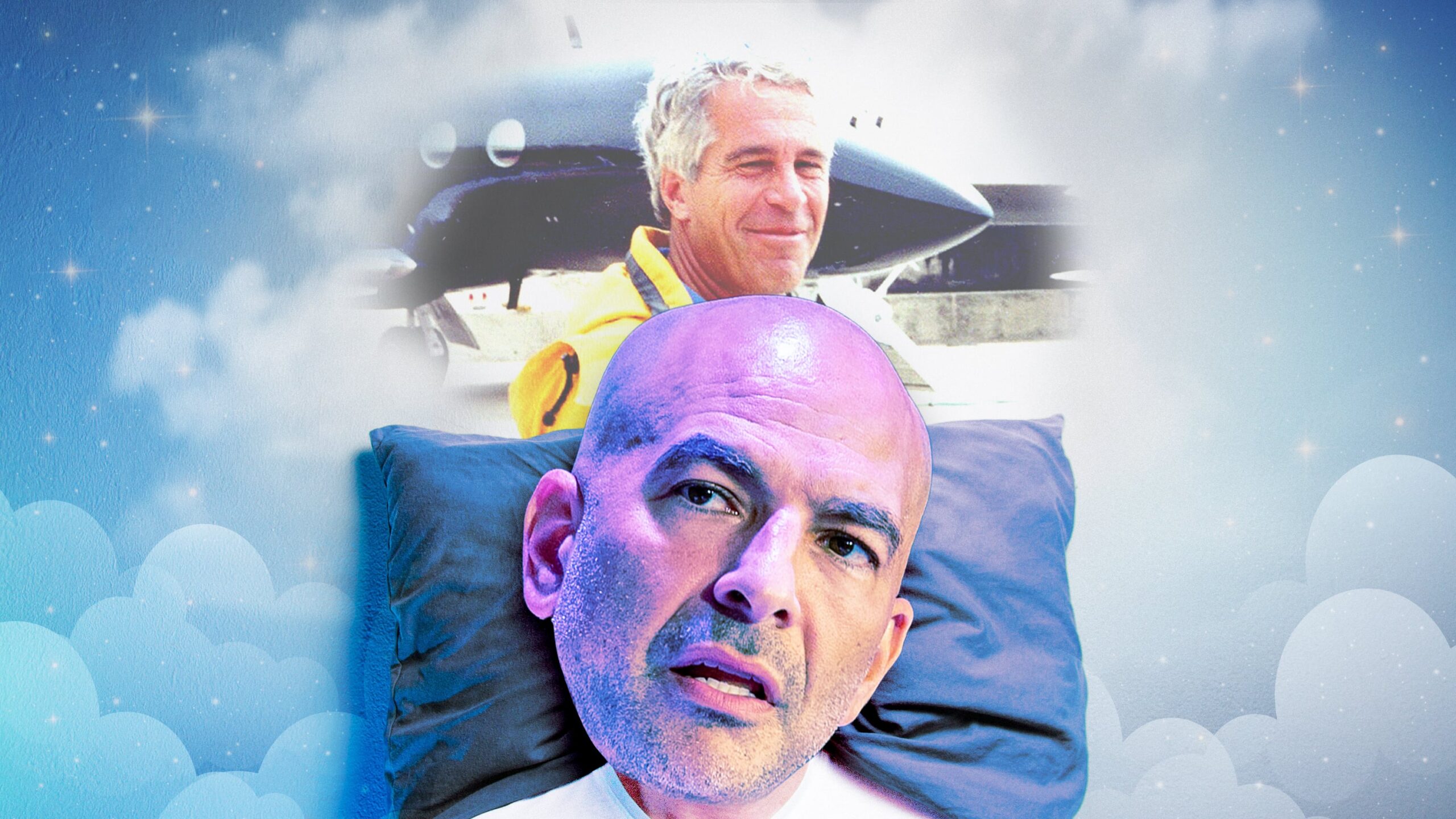
A new study led by Dr. Peter Attia, supported by the scientific advisory board of Eight Sleep, aims to investigate the effects of public shaming on sleep quality. Early results indicate a potential correlation between public scrutiny and disrupted sleep patterns, particularly among individuals facing serious allegations.
According to a spokesperson for the advisory board, “In an era when so many everyday Americans are being credibly accused of having years-long friendships with convicted billionaire sex criminals, we feel that it’s more important than ever to understand the long-term impact this may have on not only the conscience, but also the brain health of the disgraced individual.” Initial observations suggest that those with ties to public controversies may experience significant sleep disturbances.
Dr. Attia is not only overseeing the research but is also participating as a subject, emphasizing his dedication to advancing the field of longevity science. The study has attracted numerous high-profile individuals from various sectors, including technology, philosophy, and politics. However, the selection process has been rigorous, resulting in the disqualification of some notable candidates.
Among those excluded was Elon Musk, who reportedly expressed strong interest in participating through a series of emails sent on Christmas morning. Additionally, former royal Prince Andrew was unable to join due to logistical issues involving a private jet once owned by a deceased friend. The current president also faced disqualification, as initial tests revealed difficulties in maintaining focus away from social media platforms long enough for essential readings.
The research team hopes to clarify how the brain can adapt to the stress of public scrutiny, particularly when individuals are scrutinized for prioritizing personal communications over family matters. Some experts remain skeptical about the potential for recovery. One researcher noted, “What we’ve seen in patients in the past is a certain level of sleeplessness and distraction during waking hours, which persists until the individual finds a way to outlive their past.”
To guide participants towards better sleep, the study implements a strict regimen. This includes sessions focused on drafting apologies, crisis management, and improving personal relationships, alongside a low-carbohydrate diet designed by Dr. Attia.
As the study progresses, Dr. Attia aims to share more conclusive findings in an exclusive interview with CBS News. The implications of this research may extend beyond individual health, potentially influencing how society addresses the consequences of public shaming and its effects on mental well-being.