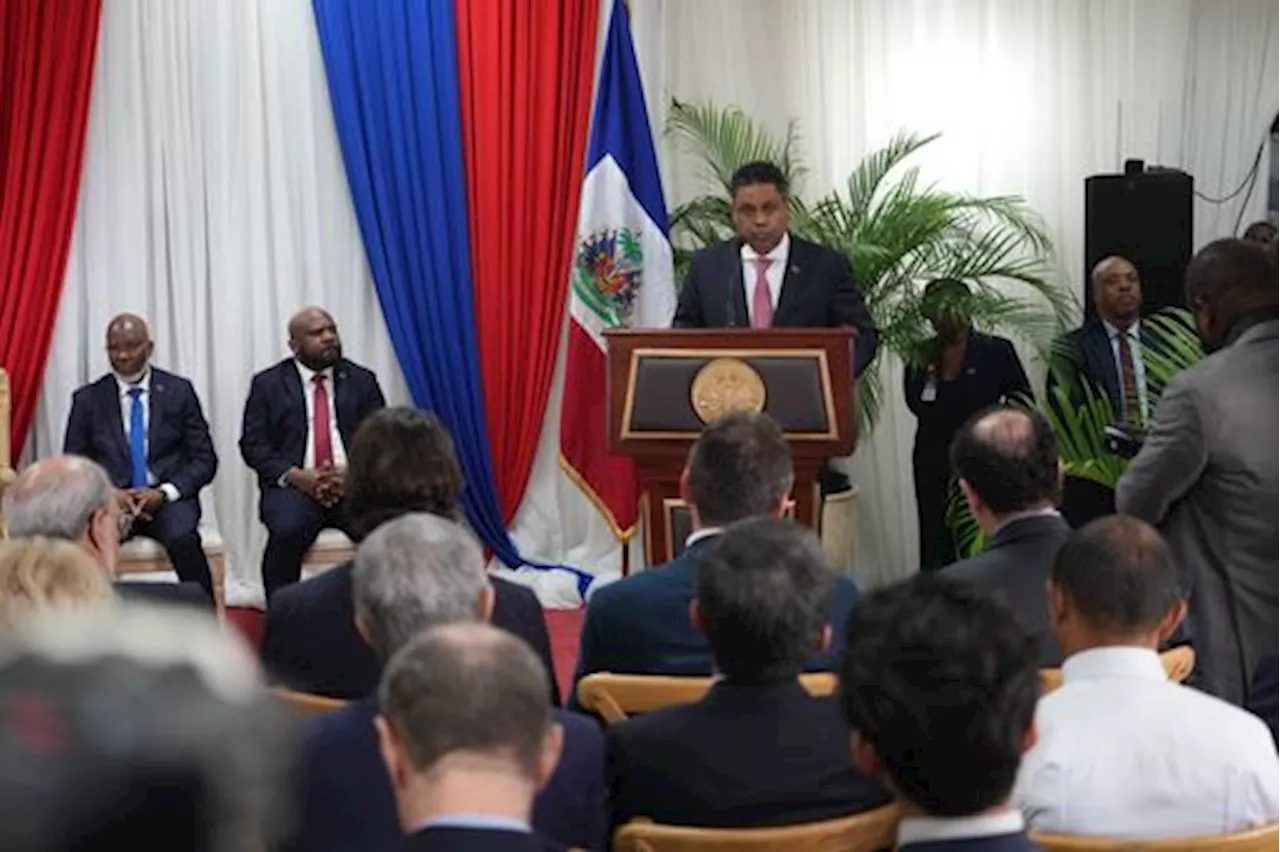
The Transitional Presidential Council of Haiti dissolved on March 2, 2025, paving the way for Prime Minister Alix Didier Fils-Aime to assume sole leadership of the country. This political body, which was established in November 2024, failed to address the pressing needs and expectations of the Haitian populace, amidst ongoing violence and instability.
The council’s disbandment comes as Haiti grapples with a severe crisis, marked by rampant gang violence and political disarray. The United Nations reported that the gang coalition known as Viv Ansanm controls nearly 90 percent of the capital, Port-au-Prince. Between January and September 2025, criminal organizations were responsible for the deaths of at least 4,384 people, along with 1,899 injuries and 491 kidnappings.
The violence has escalated since the assassination of former President Jovenel Moise in July 2021, which was executed by a group of Haitian-Americans and Colombian nationals. This brutal event has left a power vacuum, exacerbating the existing turmoil. Gangs have employed extreme measures such as massacres, torture, and forced recruitment to maintain their grip on urban areas.
The Transitional Presidential Council, intended to bring stability, has instead been criticized for its role in facilitating violence. Reports indicate that the council authorized drone strikes that killed at least 494 people, including innocent civilians, among them children aged between eight and thirteen. This has raised concerns about the government’s approach to dealing with armed groups and protecting citizens.
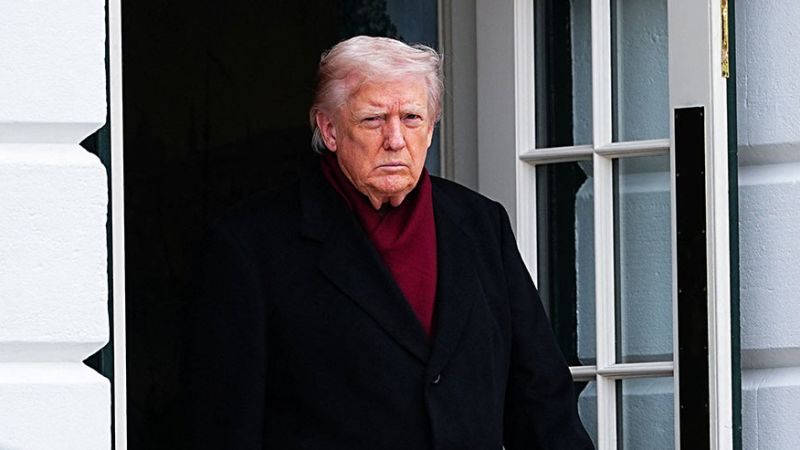
On January 20, 2025, the council sought to oust Fils-Aime, which caught the attention of the Trump administration. Marco Rubio, then US Secretary of State, expressed support for the Prime Minister, warning of consequences for what he termed “corrupt politicians” who allegedly colluded with gangs. He urged the council to proceed with its dissolution, which ultimately occurred on March 2.
As the political landscape shifts, Fils-Aime takes the helm in a nation facing daunting challenges. His appointment has U.S. backing, but the path forward remains fraught with obstacles. Just days prior to the council’s dissolution, the U.S. Department of War deployed three warships to the bay of Port-au-Prince to combat drug trafficking and bolster security efforts.
The situation in Haiti continues to draw international attention as the country prepares for its first general elections in a decade. As Prime Minister Fils-Aime embarks on this renewed chapter of leadership, many are watching closely to see how his administration will address the dire humanitarian and security crises that have plagued the nation for years.