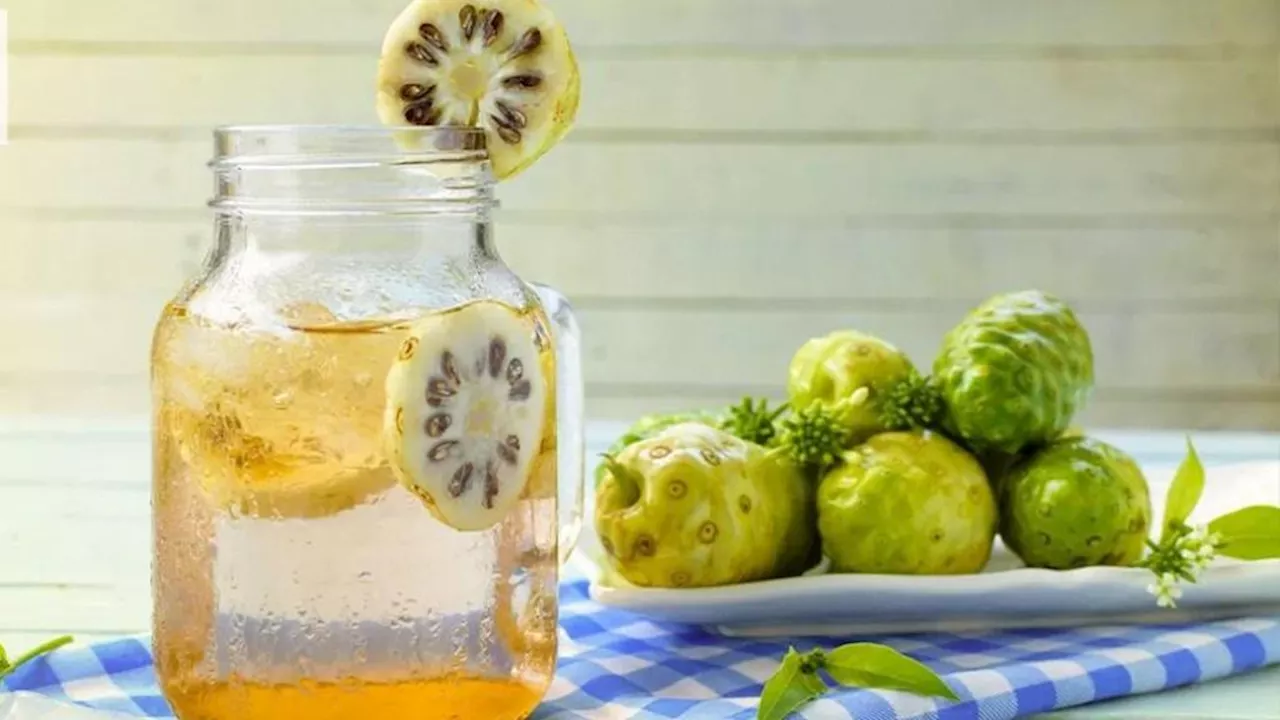
Noni juice, derived from the fruit of the noni tree (*Morinda citrifolia*), has gained popularity as a dietary supplement purported to offer various health benefits. This article delves into the potential advantages, such as immune support and antioxidant properties, alongside the risks associated with its consumption, particularly interactions with medications and contraindications for certain health conditions.
Health Benefits of Noni Juice
Research indicates that noni juice may bolster the immune system. A study published in the *Journal of Medicinal Food* highlighted its potential to enhance immune function, which is attributed to its rich content of antioxidants. These compounds help combat oxidative stress, a contributor to numerous chronic diseases. Additionally, noni juice is believed to possess anti-inflammatory properties, which can further support overall health.
The nutritional profile of noni juice is noteworthy. It is low in calories yet rich in vitamins, minerals, and phytonutrients. A typical serving can provide significant amounts of vitamin C, vitamin A, and potassium, making it a popular choice among health-conscious consumers. According to the *USDA Food Composition Database*, 100 ml of noni juice contains approximately 30 mg of vitamin C, which is about 33% of the recommended daily intake for adults.
Potential Risks and Considerations
Despite its health claims, noni juice is not without its risks. Some studies have raised concerns about the juice’s potential to interact with various medications. For instance, noni juice contains compounds that may affect the metabolism of certain drugs, particularly those processed by the liver. This interaction can lead to either increased toxicity or decreased efficacy of the medications.
Moreover, individuals with specific health conditions, such as liver disease, should exercise caution. The *National Institutes of Health* (NIH) notes that noni juice has been linked to liver toxicity in some cases, prompting health officials to advise those with existing liver issues to avoid its consumption.
When considering noni juice, sourcing and manufacturing processes also play crucial roles in its safety and effectiveness. Not all noni juice products are created equal; some may be diluted or contain added sugars, which can diminish their health benefits. Consumers are encouraged to opt for organic, pure noni juice products to maximize potential benefits.
Taste and price can vary significantly based on the product’s sourcing and production methods. Pure noni juice is often described as having a strong, distinctive flavor that may not appeal to everyone. Prices can range widely, with high-quality brands costing around $30 to $50 for a 500 ml bottle, making it essential for consumers to evaluate their options carefully.
In summary, while noni juice presents potential health benefits, particularly in supporting the immune system and providing antioxidants, it is imperative to be aware of its risks, especially regarding medication interactions and specific health conditions. Those considering adding noni juice to their diets should consult healthcare professionals to ensure safe consumption tailored to their individual health needs.