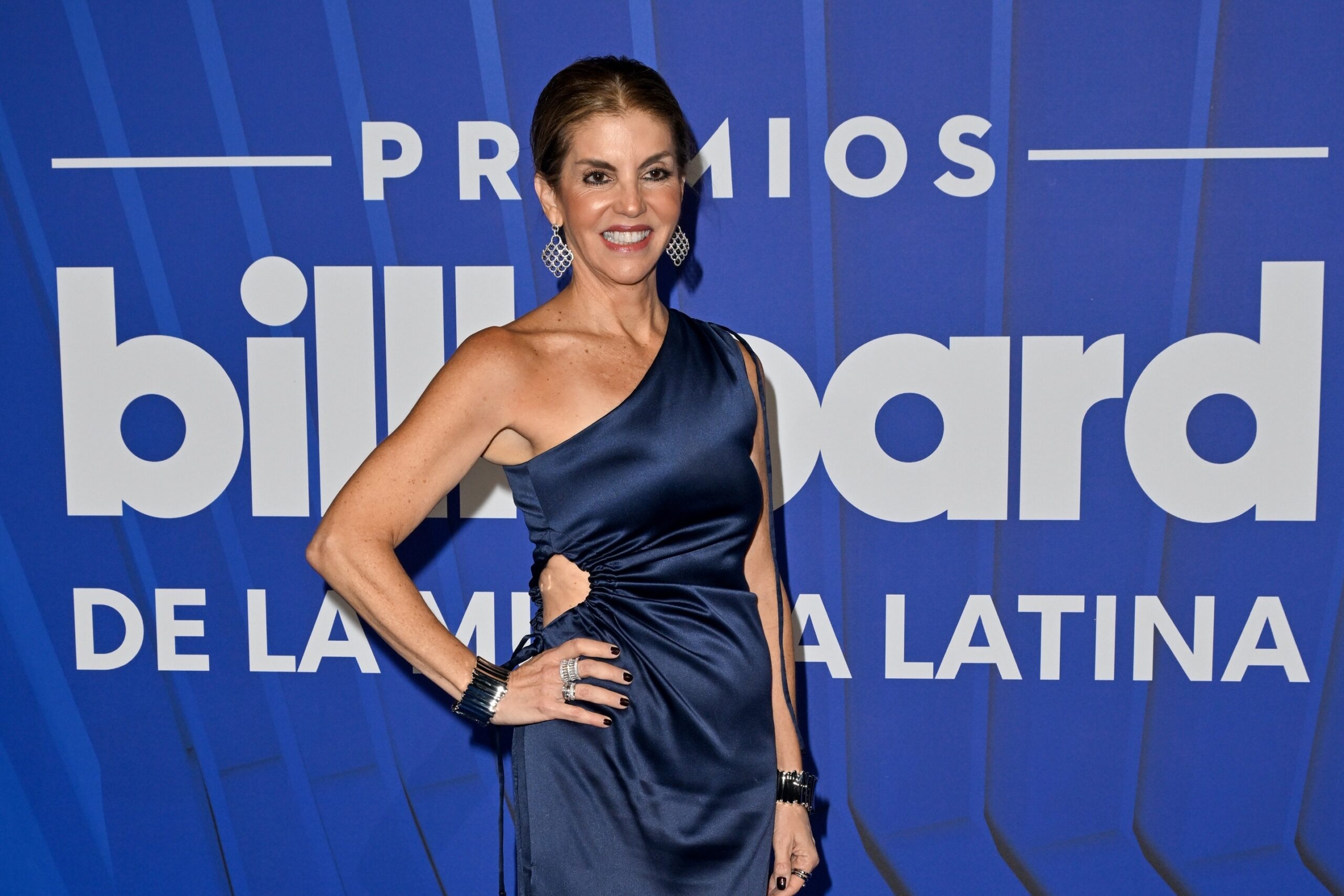
Leila Cobo has emerged as a pivotal figure in the evolution of Latin music, recently advancing to Co-Chief Content Officer of Billboard, a role that emphasizes the genre’s growing prominence. Her career has paralleled a remarkable transformation, where Latin music has shifted from a perceived niche to a global phenomenon. This milestone reflects not only Cobo’s dedication but also the increasing recognition of Latin music’s significance in the United States and around the world.
Cobo’s Journey in Latin Music
Originally aspiring to write about classical music, Cobo soon identified a gap in mainstream media coverage of Latin music in English. “I grew up listening to this music, I knew it well, and I realized I could contribute,” she stated, highlighting her commitment to bridging cultural divides. Her early career included roles as a pop music critic for the Miami Herald and a reporter for the Los Angeles Times, where she laid the groundwork for her influence in the industry.
Under her leadership, Billboard has prioritized coverage of artists such as Bad Bunny, who has played a crucial role in bringing Latin music to a broader audience. Cobo recalls, “We thought there was something there and we stuck with it. We supported him before the world knew him.” This foresight has positioned her as a key player in the music landscape.
Miami: A Hub for Latin Music
For Cobo, Miami is not just a city; it is a central force in the rise of Latin music. “Miami is such a Latin city, and it’s a city where Latinos wield influence,” she emphasized. With major Latin labels and media networks, the city cultivates both the creative and business aspects of the industry. Its unique cultural duality allows for diverse musical experiences, drawing together individuals from Latin America and the United States.
Reflecting on her role from Miami, Cobo noted, “Ten years ago, it would’ve been unthinkable to oversee Billboard from Miami. Now, it proves how central Latin music is to the global conversation.” This shift represents a broader acknowledgment of the genre’s importance in the international music scene.
Cobo has consistently advocated for the visibility of Latin music, recognizing that language has historically posed a barrier. “Writing about Latin music in English gave it presence in the mainstream,” she explained. This visibility is crucial, as it influences digital algorithms and public awareness. “What we write gets resurfaced. If it’s not covered, many people wouldn’t know it’s happening,” she added.
As the landscape of music consumption evolves, Cobo faces new challenges. “Fewer people are reading. They want video. The way we tell stories is changing, but writing is still at the core,” she stated. Despite the challenges of maintaining high standards amid increasing volume, her editorial philosophy emphasizes commitment to quality content.
Looking ahead, Cobo remains actively involved in key initiatives. “Latin Music Week is my baby,” she remarked, expressing her desire to continue programming the event despite calls to delegate more responsibilities. She is also producing Billboard’s Latin Women in Music TV special, scheduled to air in April on Telemundo, and is laying the groundwork for music activations surrounding the 2026 World Cup in Miami.
“We’re excited about what we can do at Freedom Park. Music and sports go hand in hand,” she noted, highlighting the synergy between these two cultural forces. Cobo’s steadfast dedication to storytelling and her ability to navigate the changing media landscape underscore her significant role in promoting Latin music on a global stage.
In her reflection on her career, Cobo expressed surprise at her journey: “I always thought I would have to move to New York. And now, I can be based in Miami and help oversee all of Billboard. That alone is a reflection of how much Billboard values Latin music, and how far we’ve come.” Her story is a testament to the vibrant and evolving world of Latin music, one that continues to resonate across borders.