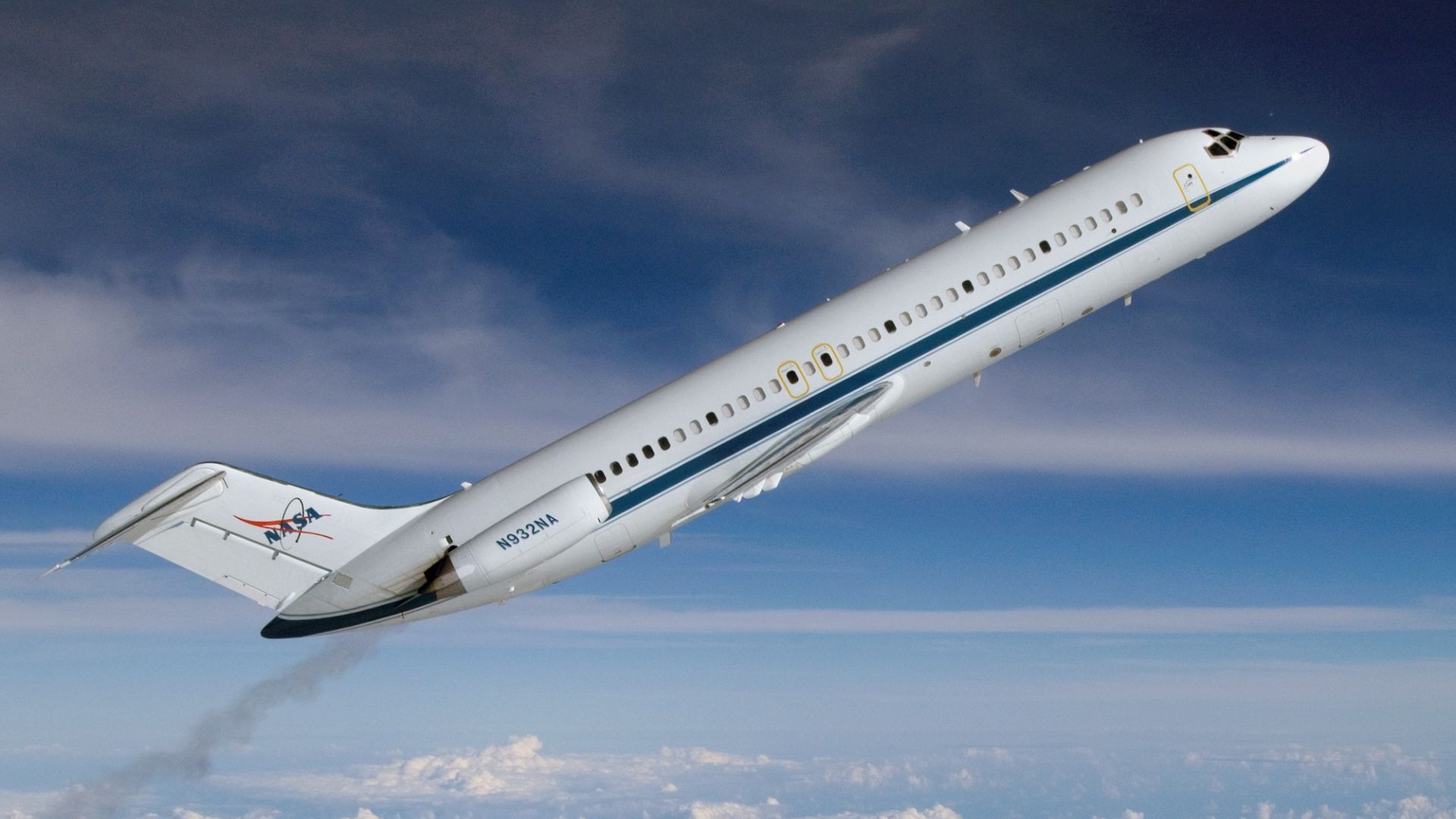
NASA has initiated the search for a new aircraft to replace its aging fleet that supports the agency’s parabolic flight program. This program, which has earned the nickname “Vomit Comet,” provides brief periods of weightlessness essential for astronaut training, scientific research, and technology testing. Historically based at Ellington Field in Houston, Texas, the program conducts flights several times a year across various locations in the United States.
The decision to secure a new aircraft comes as NASA acknowledges the need to maintain the viability of the program for the future. As the current aircraft age, operational challenges have become apparent. Parabolic flights bridge the gap between ground-based testing and actual space missions, allowing researchers to experience repeated intervals of reduced gravity without the high costs and complexities associated with orbital launches.
NASA’s existing aircraft have supported thousands of experiments over the years. However, issues related to age are increasingly affecting operational capacity. The agency’s new aircraft will aim to preserve one of the most accessible microgravity platforms in the world.
Current Operations and Challenges
Currently, NASA contracts with service providers such as the Florida-based Zero Gravity Corporation, which operates a modified Boeing 727-200, known as “G-Force One.” This aircraft, introduced over 50 years ago, has proven reliable but presents significant maintenance challenges as parts become harder to source. According to NASA program data, each parabolic flight typically performs between 15 and 40 parabolas, offering approximately 20 seconds of microgravity per maneuver. Over the course of a single flight, this can accumulate to over 10 minutes of weightlessness.
NASA is seeking an aircraft capable of safely executing these demanding flight profiles while also accommodating research teams and experimental payloads. Key requirements include structural endurance, adequate cabin space, and system redundancy. The agency also aims to minimize downtime, as the aircraft serves not only NASA’s internal research but also external users, such as universities, private companies, and international partners.
The announcement from NASA’s Armstrong Flight Research Center states: “NASA is hereby soliciting information from potential sources for Parabolic Flight Services for the Flight Opportunities Program.”
The Importance of Parabolic Flight
Parabolic flight campaigns are recognized as a cost-effective method for conducting microgravity research. A single flight can support dozens of experiments, covering a range of topics from fluid dynamics to human physiology. NASA estimates that hundreds of researchers participate in this program each year. For many student-led and early-stage projects, these flights serve as a crucial validation step before pursuing actual spaceflight.
From an aviation perspective, the mission profile is particularly demanding. Aircraft must transition from approximately 1.8g during the pull-up phase to near-zero gravity at the apex of each parabola. This cycle places unique stress on both the airframe and onboard systems, making only a few aircraft types suitable for sustained parabolic operations.
As commercial space activity continues to expand, the importance of parabolic flights is growing. Private companies are increasingly utilizing these flights to test hardware intended for orbit, thereby reducing risk before launch. Demand for microgravity access has steadily increased over the last decade, especially in fields like biotechnology and materials science.
Future Prospects for Microgravity Access
NASA’s history with parabolic flight dates back to the late 1950s, when early astronauts trained for weightlessness in modified military jets. Over the years, aircraft like the KC-135 and C-9 became closely associated with microgravity research. The program’s informal nickname reflects the physical challenges posed by rapid shifts in gravity, which can affect even seasoned participants. Despite these challenges, interest in the program remains strong.
The introduction of a new aircraft could bring significant advancements, such as modern flight decks, enhanced fuel efficiency, and flexible interiors. These improvements may enable longer missions or increased capacity for experiments. Observers suggest that the new aircraft could also foster deeper collaboration with commercial microgravity providers.
Ultimately, the choice of aircraft will influence how accessible microgravity research will remain in the coming years. In addition to supporting research, the aircraft will continue to play a vital role in astronaut familiarization and public engagement activities. By maintaining this capability, NASA ensures that it can effectively prepare crews while also advancing scientific inquiry at a fraction of the cost compared to orbital missions.