Political figure Karoline Leavitt has sparked significant backlash following comments made during a recent press briefing regarding former President Donald Trump and his connections to convicted sex offender Jeffrey Epstein. This incident occurred after Leavitt responded to a question concerning a document that suggested Trump had a conversation with the Palm Beach Police Chief about Epstein in the early 2000s.
In her response, Leavitt attempted to downplay the implications of the report, stating, “And I’m sure many of you, when you read that alleged FBI report, probably thought to yourself, ‘Wow, this really cracks our narrative that we’ve been trying to push about this president for many years.'” She concluded her remarks with, “So, we’re moving on from that,” prompting a swift and critical reaction from various quarters.
### Reactions to Leavitt’s Comments
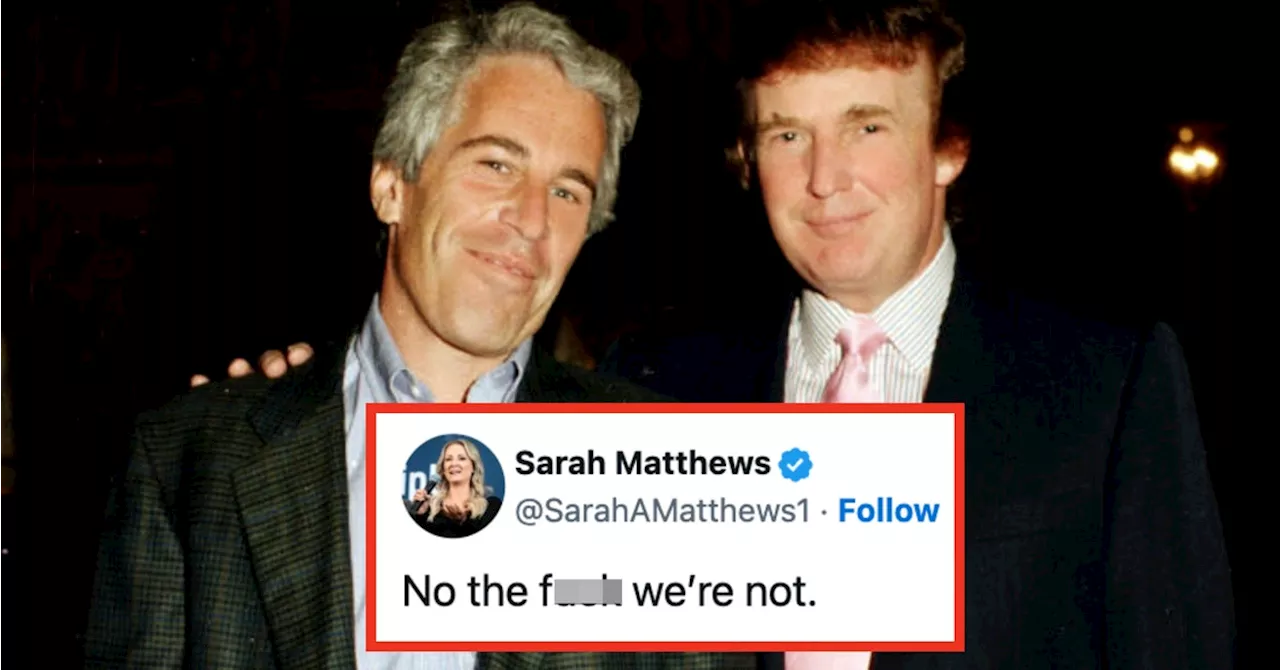
Former deputy press secretary Sarah Matthews, who served in the Trump administration, expressed her discontent directly on social media, stating, “No the fuck we’re not.” Similarly, Mary L. Trump, psychologist and niece of Donald Trump, tweeted her disbelief, emphasizing that the public would not simply “move on” from the topic.
The controversy surrounding Epstein has persisted for years, particularly in connection with prominent figures, including Trump. In the past, Trump has publicly distanced himself from Epstein, previously describing him as “a creep” and stating that he had expelled him from his Mar-a-Lago club. Leavitt’s comments reignited discussions about these past associations and the implications they hold for Trump’s public narrative.
### The Broader Implications
Leavitt’s remarks did not go unnoticed in the broader media landscape. Critics have pointed out that her dismissal of the Epstein-related questions reflects ongoing tensions within the Republican Party regarding Trump’s legacy and conduct. The response from Matthews and Mary Trump highlights a divide not only within political circles but also among the public, as many are unwilling to overlook the implications of Epstein’s connections.
In light of these developments, calls for transparency regarding Epstein’s ties to various individuals, including Trump, continue. The Federal Bureau of Investigation (FBI) has been urged to investigate any potential connections more thoroughly, as the Epstein case remains a focal point of public scrutiny.
Leavitt’s comments and the ensuing backlash demonstrate the complexities of navigating sensitive topics within the political arena. As the public discourse evolves, it remains to be seen how such discussions will influence perceptions of Trump and his administration in the long term.
This incident serves as a reminder of the lasting impact that historical associations can have on current political figures, especially as new information continues to emerge.