A federal judge in Illinois has temporarily blocked the Trump administration’s plan to rescind approximately $600 million in public health grants aimed at four Democratic-led states. The ruling, issued on March 15, 2024, by U.S. District Judge Manish Shah, will allow funding to continue for crucial health programs in California, Colorado, Illinois, and Minnesota while legal challenges proceed.
The states filed a lawsuit on March 14, 2024, seeking to prevent the federal government from cutting funding essential for tracking disease outbreaks and studying health outcomes among vulnerable populations, including LGBTQ+ individuals and communities of color. Judge Shah’s decision to halt the funding cuts for at least 14 days was based on the argument that the states demonstrated they would suffer “irreparable harm” if the cuts were enacted.
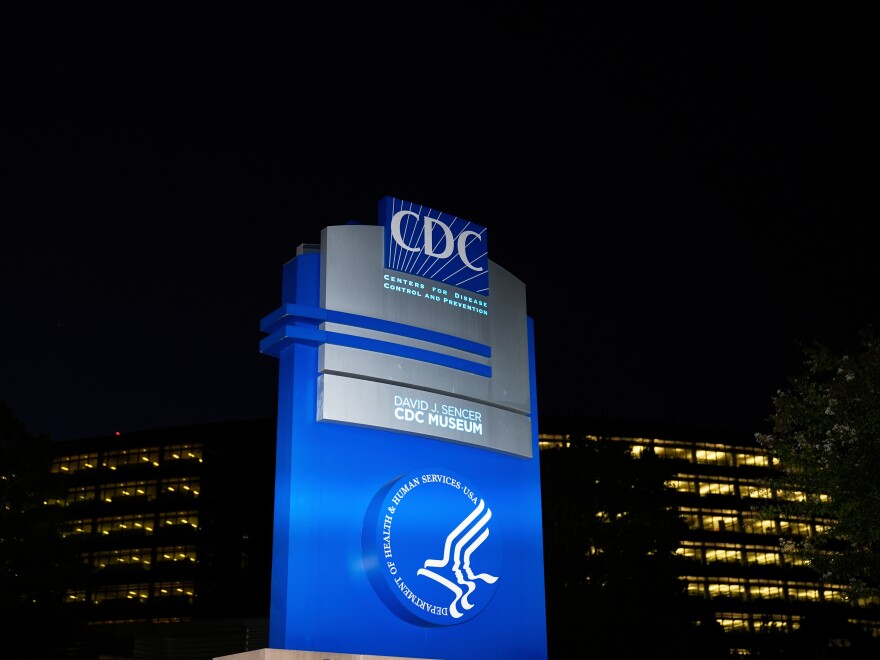
The Centers for Disease Control and Prevention (CDC) had indicated the funding was being terminated due to a shift in priorities under the current administration, which the Department of Health and Human Services claims do not align with the agency’s updated focus. This change marks a departure from the previous emphasis on health equity, which aims to address disparities affecting specific populations. Much of the funding in question has supported initiatives to combat the spread of HIV and other sexually transmitted infections, particularly among high-risk groups such as gay and bisexual men, adolescents, and ethnic minorities.
Colorado Attorney General Phil Weiser noted that the first round of grants could have been withdrawn immediately without the judge’s intervention. The political landscape surrounding these grants is contentious. Officials in these four states, known for their opposition to President Trump’s policies, view the proposed cuts as a punitive measure in response to their resistance against his immigration enforcement strategies.
Illinois Attorney General Kwame Raoul leads the lawsuit, arguing that the proposed cuts violate constitutional principles by imposing retroactive conditions on previously awarded funding. “Targeting four Democrat-run states that are standing up to his completely unrelated immigration policies is a transparent attempt to bully us into compliance,” Raoul stated. He emphasized that the consequences of losing this funding could lead to significant workforce reductions in public health sectors.
In addition to the health grants, these states have faced other federal funding cuts, impacting programs such as food assistance, childcare subsidies, and electric vehicle infrastructure. Minnesota Attorney General Keith Ellison expressed intentions to seek an extension of the judge’s order throughout the duration of the lawsuit, highlighting the potential ramifications for public health services.
As the legal battle unfolds, the implications of this ruling extend beyond immediate funding concerns. The ongoing challenges against the Trump administration’s policies reflect broader tensions between state officials and federal authorities, particularly regarding issues of public health and equity.
Federal health officials did not provide immediate comments in response to the judge’s ruling. The outcome of this case will likely influence future funding decisions and the administration’s approach to public health initiatives across the country.