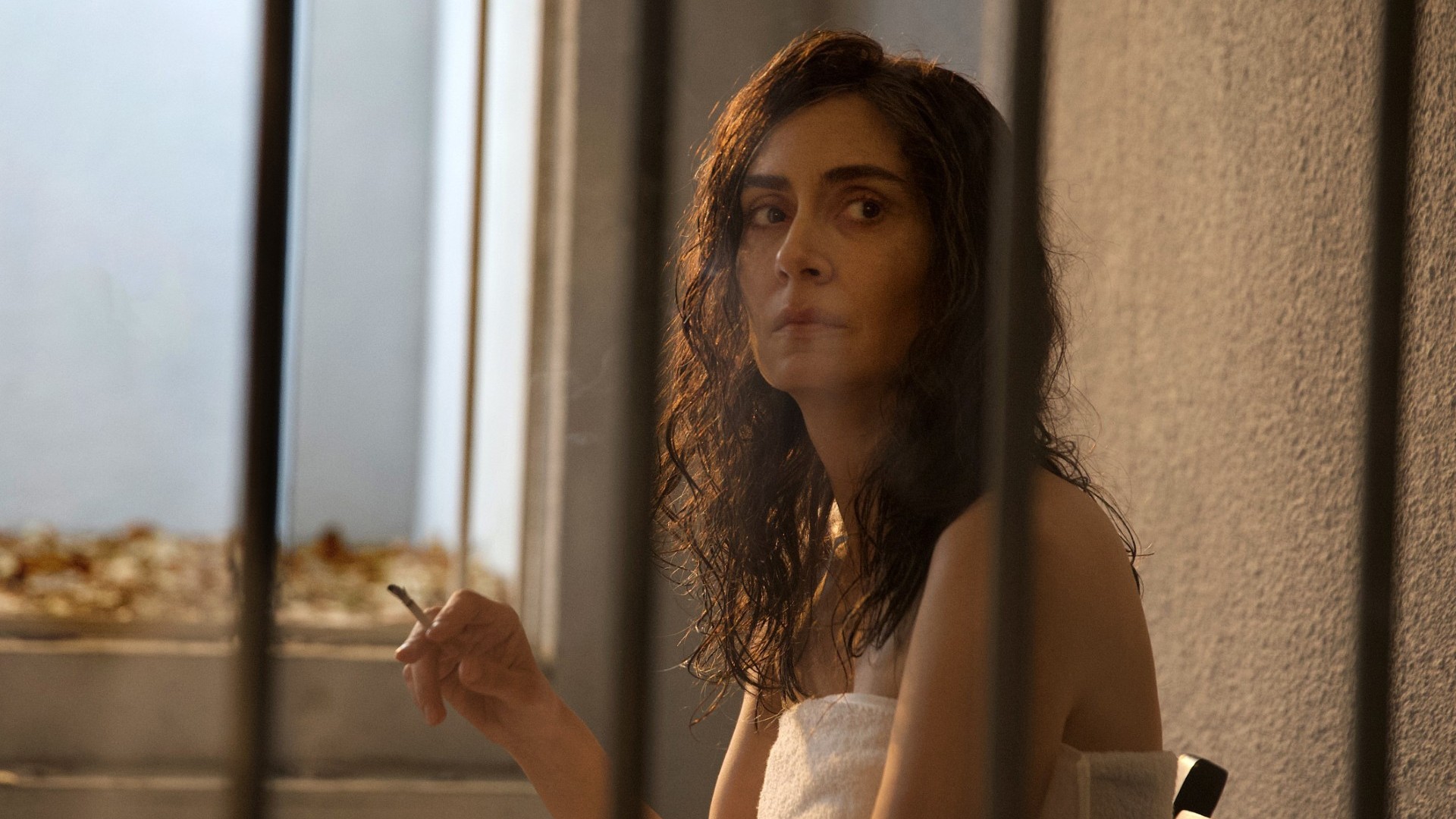
The film Roya, directed by Iranian filmmaker Mahnaz Mohammadi, tells the poignant story of a teacher imprisoned in Tehran’s Evin Prison for her political beliefs. Facing the harrowing choice between a forced televised confession or remaining confined to her three-square-meter cell, the narrative dives deep into the psychological turmoil of those living under oppressive regimes. This film, which had to be shot clandestinely without official permission, marks Mohammadi’s significant return to cinema after a five-year hiatus following her debut feature, Son-Mother.
Roya is set to make its world premiere on February 14, 2024, in the Panorama program at the Berlin International Film Festival. The film stars Turkish actress Melisa Sözen, known for her acclaimed roles in Winter Sleep and The Bureau. Mohammadi’s commitment to storytelling continues despite her personal challenges; she has faced persecution for her films and activism, including a seven-year prison sentence for charges related to national security and propaganda against the regime.
Exploring Themes of Suppression and Resistance
The narrative of Roya reflects Mohammadi’s own experiences, having spent several months in Evin Prison herself. The film captures the essence of solitary confinement and its impact on personal identity and perception. Berlinale programmers describe the film as revealing how confinement can make resistance increasingly fragile. “The raw material comes from my lived experience, but it is also the experience of many people,” Mohammadi stated in an interview.
In casting Sözen, Mohammadi found a connection through the actress’s ability to convey deep emotions without words. “There was a moment with Melisa in that film where she is just in silence and gave me this feeling that I started crying,” she explained. This powerful emotional resonance played a crucial role in the selection of Sözen for the lead role.
The film’s production involved collaboration with various international companies, including PakFilm in Hamburg, along with co-productions from Europe Media Nest in the Czech Republic, Amour Fou in Luxembourg, and several German broadcasters. The project received support from film funding organizations, including MOIN Filmförderung Hamburg Schleswig-Holstein and Medienboard Berlin-Brandenburg.
Mohammadi’s Journey and Vision
Mahnaz Mohammadi’s connection to cinema is deeply rooted in her belief that storytelling can challenge silence and oppression. She shared the emotional weight of creating Roya, stating, “I wanted to make this film, and not just this film. There are also documentaries I am working on.” During the production, she refrained from public engagement and distanced herself from loved ones, highlighting the sacrifices made to bring her vision to life.
Her reflections on hope resonate throughout the narrative. Mohammadi articulates that hope is not merely a destination but a way of living, a perspective shaped by her experiences. “Through my life experience, I learned that hope is not just a destination, but a way of living. And cinema is part of my practicing [that],” she noted.
As Roya prepares for its debut at the Berlin International Film Festival, it stands not only as a testament to Mohammadi’s resilience but also as a powerful commentary on the broader struggles against oppression. The film invites audiences to reflect on the complexities of memory, trauma, and the enduring human spirit amidst adversity.