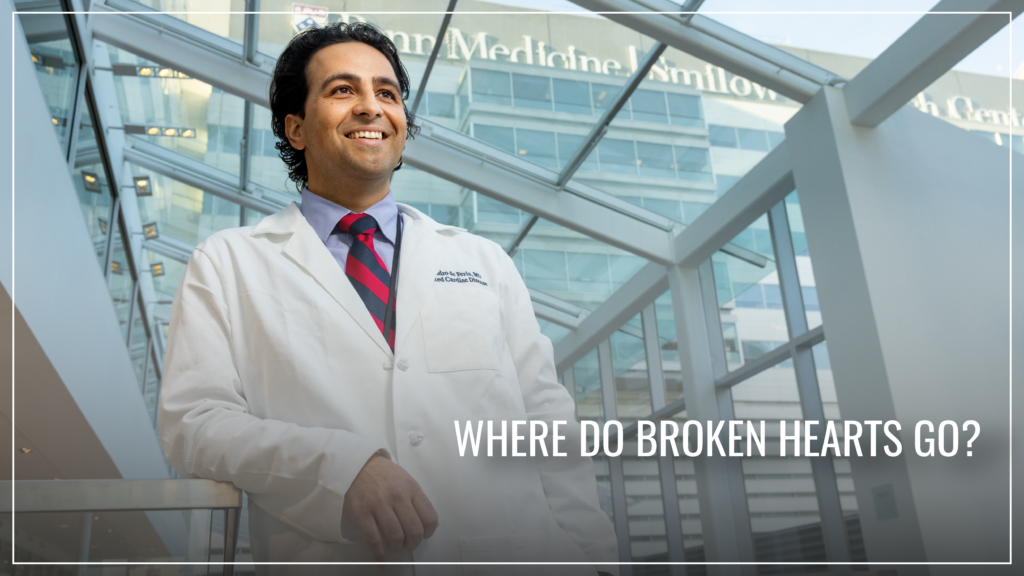
Dr. Alejandro de Feria Alsina, a cardiologist at the University of Pennsylvania, is making significant strides in the treatment of genetic heart diseases. His work focuses on navigating the complexities of inherited cardiac disorders, a field that has evolved dramatically since the completion of the Human Genome Project in 2003.
Genetic heart diseases pose significant challenges, not only scientifically but also for patients and their families. Patients often grapple with the emotional weight of a diagnosis, particularly when it is hereditary. De Feria’s personal connection to the field began at the age of 15, when his brother was diagnosed with hypertrophic cardiomyopathy (HCM). Growing up in small-town Georgia, accessing specialized cardiac care was a daunting task for his family, requiring long drives to Atlanta for treatment.
“We used to drive an hour and a half to see a heart doctor,” de Feria recalls. This experience shapes his approach to patient care, allowing him to empathize with the anxiety surrounding medical visits. He aims to create an environment where patients feel understood, especially when discussing sensitive topics such as family planning and lifestyle adjustments.
Many of de Feria’s patients are young adults who question how genetic heart issues may impact their futures, including family and fitness activities. He emphasizes that while the diagnosis might seem overwhelming, many individuals lead fulfilling lives with these conditions.
Advancements in Treatment for Genetic Heart Conditions
Heart disease remains a leading cause of death, with nearly 700,000 people succumbing to the condition in the United States each year, according to the U.S. Centers for Disease Control and Prevention. Genetic predisposition significantly escalates this risk, particularly for individuals with conditions such as dilated cardiomyopathy and HCM. These hereditary conditions can lead to severe complications, including heart failure.
De Feria notes that the prevalence of hypertrophic cardiomyopathy is about 1 in 500 individuals, indicating that it is more common than many realize. Historically, treatment options were limited, often relying on methods adapted from other branches of cardiology. However, advancements in research and clinical trials have led to more effective, targeted therapies.
De Feria is actively involved in clinical trials at the University of Pennsylvania, exploring innovative therapies that focus on genetic heart disease. He points out the paradigm shift in treatment: “I used to have to offer patients open heart surgery to fix a problem, but now we have targeted medicines and catheter-based procedures.” This evolution in treatment options, particularly the rise of gene therapy, fuels his optimism for the future of cardiac care.
The Human Impact of Genetic Heart Disease
De Feria sees patients across a wide age range—from teenagers to individuals in their nineties—often within the same family. Young patients frequently struggle with the reality of a genetic diagnosis, having witnessed health challenges in their relatives. “They think, ‘That’s not me. I’m not going to have that,’” he explains. It is vital for him to convey that many people with these conditions can lead healthy, active lives.
For those who do develop symptoms, de Feria prioritizes managing their condition and reducing the risk of heart failure. He emphasizes the importance of focusing on quality of life. Reflecting on the limitations that once constrained patients with HCM, he notes significant progress in treatment and lifestyle management.
In the early 2000s, exercise for children diagnosed with HCM was severely restricted, allowing only low-intensity activities. Today, professional athletes with similar conditions continue to compete, showcasing a remarkable shift in understanding and treatment.
De Feria’s commitment to improving detection and intervention for genetic heart diseases is unwavering. He hopes his work will help families alter their health trajectories for generations to come, emphasizing that advancements in medicine can transform lives.