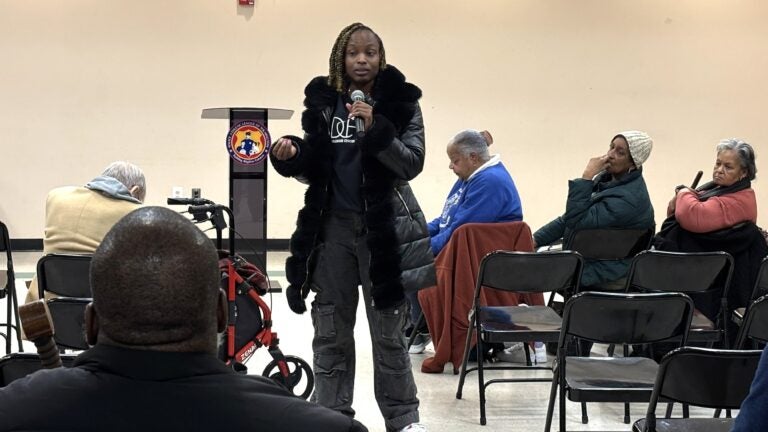
Community members in Wilmington, Delaware, are mobilizing against the impending closure of the Plummer Community Corrections Center, a facility that has provided a vital work-release program for inmates. Scheduled to shut its doors next month, the closure has sparked fears among residents, families of those incarcerated, and advocates that it will significantly hinder reentry efforts for many individuals seeking to rebuild their lives.
Matthew Levitski, a Wilmington resident who has experienced incarceration for over 20 years, voiced his concerns, stating, “It’s not fair at all. The people getting out, they’re setting them up for failure.” Levitski credits the work-release program at Plummer for providing him with employment and a renewed sense of hope after his release in January.
The Plummer Community Corrections Center, located on Wilmington’s east side, is the oldest facility operated by the Delaware Department of Correction (DOC). Currently, it houses approximately 17 inmates, all of whom are classified as level IV confinement, which allows them to engage in work, skill training, and treatment programs while returning to the facility daily. DOC Commissioner Terra Taylor informed state lawmakers that most of the inmates will be transferred to other work-release programs, including facilities in Smyrna and Georgetown, which are significantly farther from Wilmington.
The decision to close Plummer is expected to save the state over $1.1 million. However, officials have not clarified how much it will cost to transport inmates to jobs in Wilmington. A DOC spokesperson indicated that the department plans to operate a shuttle service to facilitate transportation to public transit hubs, but many family members are apprehensive about the logistical challenges involved, particularly the burden of driving long distances.
Levitski highlighted a colleague from the Plummer program who is facing the same transportation issues after being reassigned to a facility 30 miles away. “How am I going to get to work at Smyrna? What happened to the job? It’s gone,” Levitski said, expressing that such disruptions could lead individuals back to criminal activities out of necessity.
According to DOC data, only 18% of individuals eligible for work release currently have jobs, with most still in the early stages of job searching. This highlights the precarious nature of reentry for many former inmates. Community advocates argue that the closure of Plummer will only exacerbate recidivism rates, which, as of April 2024, stand at 52%, a decrease from 68% in 2008.
While some lawmakers supported the closure, citing increased opportunities for skill development at other facilities, others voiced strong objections. Wilmington City Councilwoman Shané Darby recently held a community meeting aimed at rallying support to preserve the Plummer Center. “Everybody knows each other. You probably know somebody who’s connected to [Gov.] Matt Meyer. Let’s have another conversation about keeping level IV in the city of Wilmington,” she urged.
Tim Santa Barbara, representing Prison Outreach of Delaware, expressed similar sentiments, emphasizing that relocating inmates away from Wilmington would likely lead to higher rates of recidivism. He reflected on his own experience in the work-release program, asserting that losing local access to employment resources is detrimental.
Community members are also advocating for the future use of the Plummer site, urging that it remain a resource for local residents rather than be sold to private developers. The plans for the site after its closure remain uncertain, with various proposals being floated, including affordable housing development by local organizations.
DOC Commissioner Taylor mentioned potential uses for the building once it is decommissioned, including shelter housing and health services. However, without clear direction, many residents fear that the loss of the Plummer Center will deepen the challenges faced by the community.
As the closure date approaches, the ongoing discussions around the Plummer Community Corrections Center highlight the broader implications for Wilmington’s residents, particularly those striving to reintegrate into society. The outcome of this situation may have lasting effects on the community’s ability to support its most vulnerable members.