
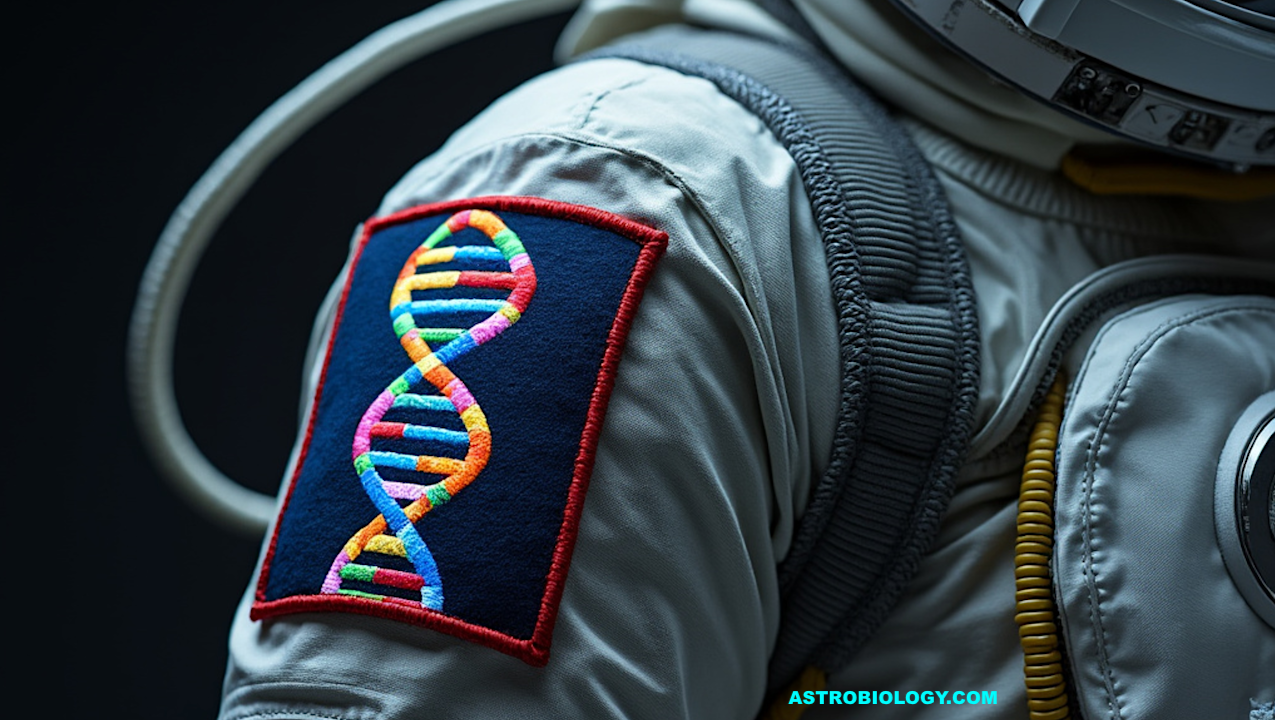
NASA has unveiled significant findings from its ongoing research into space life sciences, as detailed in the latest edition of the Spaceline Current Awareness List published on February 13, 2026. This research focuses on critical areas such as astrobiology, space biology, and the effects of microgravity on living organisms. The insights gained from these studies play a crucial role in enhancing our understanding of life in space and its implications for future missions.
The findings, available through publications such as PubMed, aim to inform scientists and researchers about the latest developments in this vital field. Each abstract links directly to the respective publisher’s site, allowing for deeper exploration of the studies presented. With ongoing missions and research, NASA continues to push the boundaries of knowledge regarding human health and biological processes in space.
Exploring Space Life Science
NASA’s commitment to advancing space life sciences is evident in the breadth of research being conducted. The studies encompass a variety of topics, including the physiological and psychological effects of long-duration spaceflight on astronauts. Understanding how microgravity influences human biology is essential for ensuring astronaut health during extended missions, particularly as plans for journeys to Mars and beyond become more concrete.
The agency’s focus on astrobiology also highlights the potential for discovering life beyond Earth. Research in this area investigates how life could exist in extreme environments, contributing valuable insights for both space exploration and our understanding of life’s resilience on our own planet.
Implications for Future Missions
As NASA continues to gather data from its research initiatives, the implications for future space missions are significant. The findings not only enhance the safety and well-being of astronauts but also provide essential information for developing technologies and strategies to support human life in space.
Incorporating the latest scientific research into mission planning is crucial, particularly as NASA aims to establish a sustainable human presence on the Moon and eventually send astronauts to Mars. The ongoing studies underline the importance of thorough preparation and understanding of the challenges posed by the space environment.
In summary, NASA’s recent publication serves as a testament to the agency’s dedication to advancing the field of space life sciences. The ongoing research efforts provide valuable insights that will contribute to the success of future missions and enhance our understanding of life beyond Earth.


