Two U.S. states have filed a lawsuit against the federal government, claiming it unlawfully terminated funding for clean energy programs. Washington and Oregon have taken the lead in this legal action, asserting that the decision by federal agencies undermines vital initiatives aimed at promoting sustainable energy solutions.
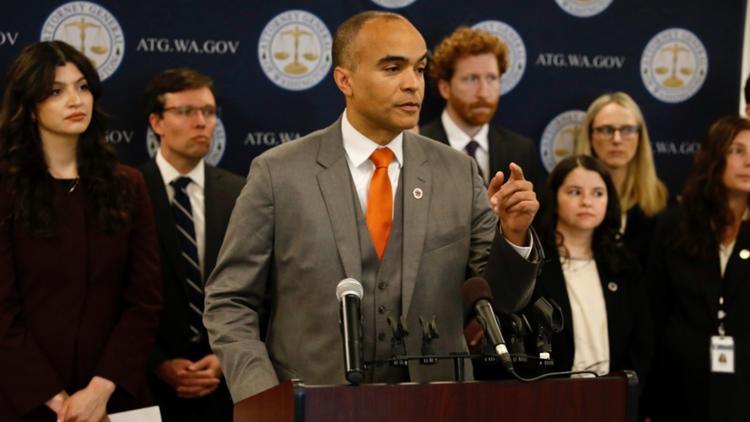
The lawsuit, filed in the U.S. District Court, specifically targets the U.S. Department of Energy and other federal entities involved in the funding process. Washington State Attorney General, Bob Ferguson, announced the suit, highlighting the potential consequences of these funding cuts on job creation and environmental efforts in both states.
In a statement, Ferguson emphasized that clean energy initiatives are crucial for the economic and environmental health of Washington and Oregon. “This funding supports thousands of jobs and advances our commitment to a cleaner, more sustainable future,” he said. The legal challenge comes after federal funding, which was previously allocated for various clean energy projects, was abruptly halted without clear justification.
Both states had been utilizing these funds to support a range of programs, including solar energy installations, energy efficiency improvements, and research into innovative technologies. According to the lawsuit, Washington received approximately $25 million in federal grants for clean energy projects in the previous fiscal year, while Oregon had similar funding levels. The abrupt termination of these funds could have significant implications for ongoing and future projects.
The lawsuit points to a broader concern regarding federal commitment to renewable energy and climate initiatives. Washington and Oregon officials argue that the funding cuts not only threaten existing programs but also send a negative signal to private investors and industry stakeholders engaged in clean energy development.
The states are requesting the court to reinstate the funding and ensure that federal agencies adhere to their obligations under existing laws and agreements. “We cannot afford to let these actions derail our progress towards a sustainable energy future,” said Kate Brown, the Governor of Oregon.
Both states are prepared to present evidence demonstrating the positive impact of clean energy funding on local economies and job markets. They argue that the termination of these funds contradicts federal policies aimed at combating climate change and promoting clean energy.
This legal battle reflects a growing tension between state and federal authorities over energy policy and funding priorities. As climate change continues to pose significant challenges globally, the outcome of this lawsuit may hold implications beyond the borders of Washington and Oregon, as other states may be affected by similar funding decisions in the future.
The case is expected to attract attention from various stakeholders, including environmental groups, industry advocates, and policymakers, all of whom are keenly aware of the critical role federal support plays in advancing clean energy goals. The legal proceedings will likely unfold over the coming months, with both states committed to fighting for the restoration of essential funding for clean energy initiatives.