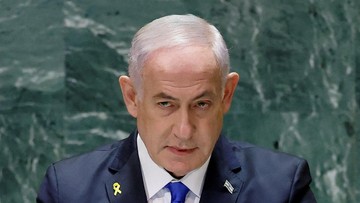
The United States Ambassador to Israel, Mike Huckabee, expressed support for Israel’s potential territorial expansion in the Middle East. During a recent statement, Huckabee indicated that he would not oppose Israel acquiring significant portions of land, including areas currently part of Jordan and Saudi Arabia.
Huckabee’s comments come amid ongoing discussions about Israel’s geopolitical aspirations and its relationship with neighboring countries. He emphasized the importance of Israel’s security and sovereignty, framing the acquisition of land as a means to enhance stability in the region.
Implications for Regional Stability
The ambassador’s remarks raise numerous questions regarding the political landscape of the Middle East. By suggesting that Israel could expand its territory, Huckabee could be signaling a shift in U.S. foreign policy under the current administration. Historically, U.S. policy has supported a two-state solution, aiming for a peaceful coexistence between Israel and Palestine.
Huckabee’s stance diverges significantly from traditional diplomatic positions that prioritize negotiations between Israel and its neighbors. This approach could provoke reactions from regional powers and international observers who advocate for established borders and diplomatic solutions.
The potential for territorial changes could also impact the lives of millions in the region, leading to increased tensions and conflict. Critics of Huckabee’s comments argue that such a viewpoint undermines efforts for peace and stability, potentially escalating existing tensions between Israel and Palestinian territories.
Reactions from the International Community
Responses to Huckabee’s statement have varied widely. Some Israeli officials welcomed his comments as a validation of their claims to greater security through land acquisition. In contrast, Palestinian representatives condemned the remarks, viewing them as a disregard for existing treaties and international law.
According to United Nations resolutions, altering borders without mutual agreement is considered illegal under international law. Such remarks from a prominent U.S. official could embolden hardline factions within Israel, complicating prospects for future negotiations.
The international community’s reaction will likely shape the future of U.S.-Middle East relations. Diplomatic experts suggest that clarity in U.S. foreign policy is essential to maintain stability and foster dialogue among conflicting parties.
In conclusion, Mike Huckabee‘s comments regarding Israel’s territorial ambitions signal a potential shift in U.S. support for Israeli expansionism. As the situation develops, the implications for regional peace and security remain to be seen. The reactions from both regional and international players will play a critical role in shaping the future dynamics of the Middle East.