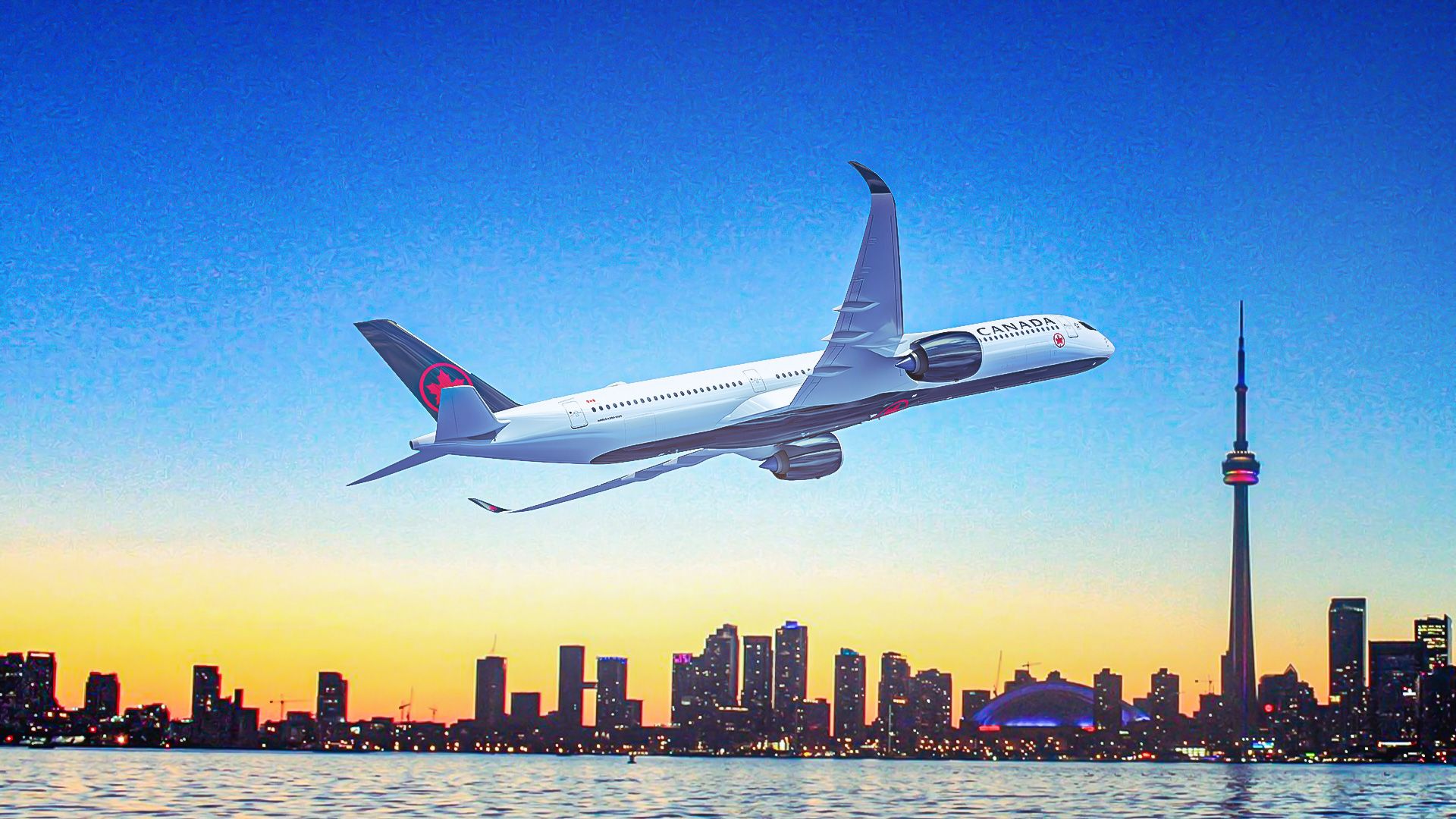
Air Canada has made a significant advancement in its long-haul operations by placing a firm order for eight Airbus A350-1000 aircraft. This decision marks a strategic shift for the airline, aligning its fleet with modern demands for efficiency and enhanced passenger experience. The new aircraft are expected to enter service starting in 2030, reinforcing Air Canada’s commitment to competing on the world’s most challenging routes.
The Airbus A350-1000 is engineered to excel in long-haul travel, featuring advanced aerodynamics, composite materials, and the latest Rolls-Royce Trent XWB-97 engines. This aircraft boasts a maximum range of approximately 10,300 miles (16,600 km), enabling Air Canada to connect distant markets directly, which was previously impractical with older aircraft.
Enhancing Global Connectivity
Air Canada operates from three major hubs: Toronto Pearson International Airport (YYZ), Montreal Trudeau International Airport (YUL), and Vancouver International Airport (YVR). The range capabilities of the A350-1000 will allow the airline to establish nonstop flights to emerging markets in Asia and beyond, enhancing its global footprint. Possible new routes include direct services from Toronto to Sydney and Mumbai, and from Montreal to Singapore and Manila.
The ability to operate these nonstop flights not only improves passenger convenience but also enhances economic efficiency. Eliminating layovers reduces operational costs and simplifies scheduling, making the airline’s offerings more attractive to both business and leisure travelers.
Fuel Efficiency and Environmental Commitment
The A350-1000 is designed with sustainability in mind. It offers approximately a 25% reduction in fuel consumption and emissions compared to previous-generation aircraft. In an industry where fuel costs represent a significant portion of operating expenses, these efficiency gains will provide Air Canada with a competitive advantage.
Air Canada’s Executive Vice President and Chief Commercial Officer, Mark Galardo, emphasized the strategic importance of this order, stating, “Air Canada’s continued global ambitions are solidified by the selection of the Airbus A350-1000, a natural next step in the evolution of our fleet.” He added that the aircraft will play a crucial role in connecting customers to destinations worldwide.
In alignment with global sustainability goals, the Airbus A350-1000 can operate with up to 50% Sustainable Aviation Fuel (SAF) today, with a target of achieving 100% SAF capability by 2030. This positions the aircraft as a vital piece of Air Canada’s efforts to meet regulatory and market expectations for environmental responsibility.
Passenger comfort is also a priority for the A350-1000. The aircraft’s cabin is engineered to reduce noise and vibration, maintaining lower effective cabin altitudes and improved humidity levels. These features contribute to a more comfortable experience for passengers on long flights.
Air Canada has stated that the new A350-1000s will incorporate the latest in cabin design, including upgraded entertainment systems and enhanced seating configurations. This will ensure that travelers enjoy a premium experience that aligns with their expectations.
The addition of the Airbus A350-1000 not only modernizes Air Canada’s fleet but also enhances its strategic position in the competitive landscape of global aviation. The airline’s long-standing use of Boeing widebody aircraft will now see a transition to a more advanced fleet that includes the A350-1000, providing a better match to the demands of modern air travel.
As Air Canada continues to evolve, this order represents a commitment to operational excellence, customer satisfaction, and environmental stewardship, setting the stage for future growth in an increasingly interconnected world.