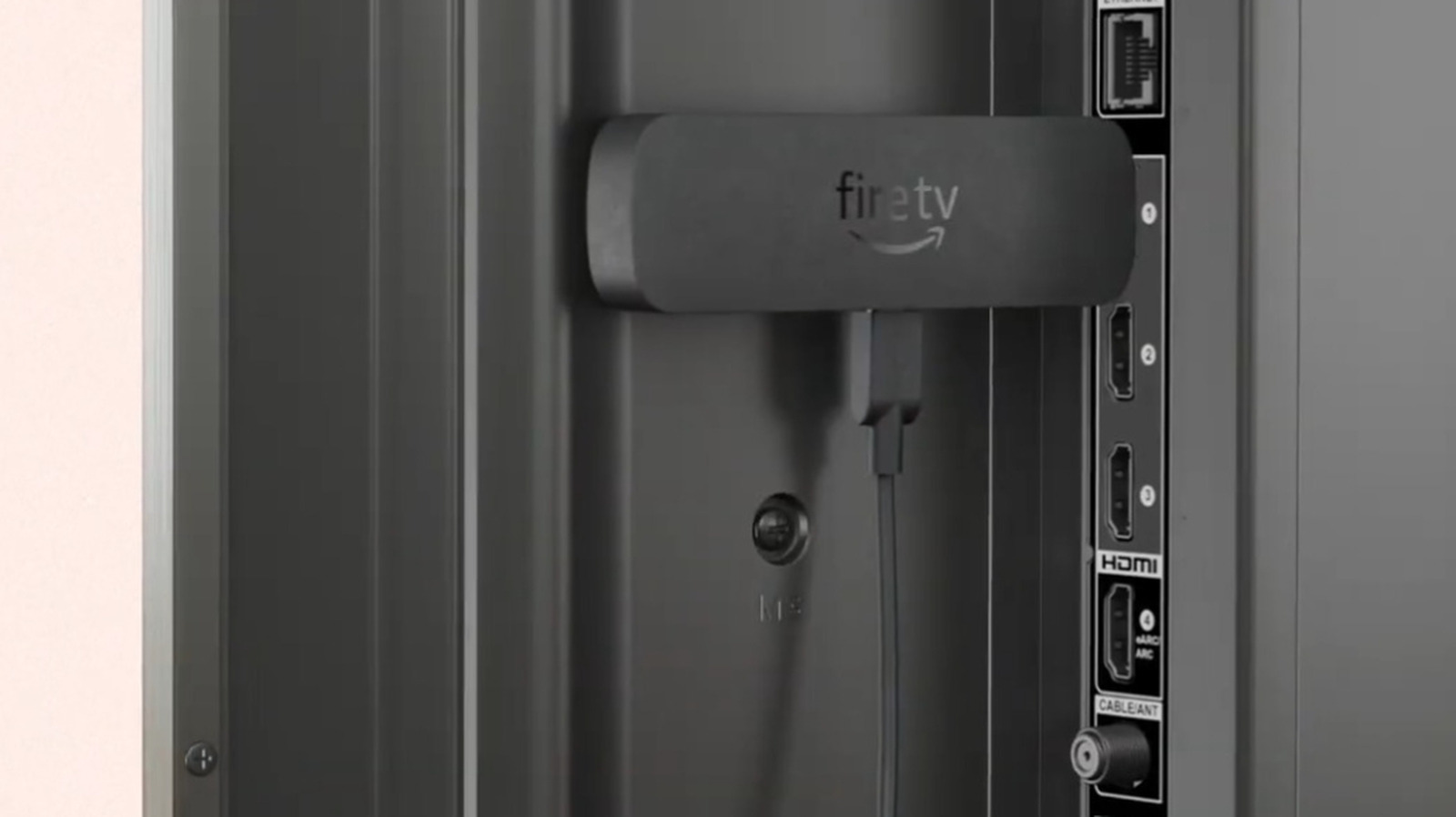
Amazon’s Fire TV Stick lineup continues to rely on a micro-USB port for power, despite significant advancements in charging technology. Released in fall 2024, the latest models, including the Fire TV Stick 4K Select and Fire TV Stick HD, offer enhanced streaming capabilities at competitive prices. These devices cater to casual viewers with features such as Alexa voice control and access to nearly two million movies and TV episodes.
While these advancements are notable, the choice to stick with micro-USB stands out in a technology landscape increasingly dominated by USB-C. This decision is particularly surprising given that 2026 has seen USB-C become the standard across a wide range of devices, including smartphones, tablets, and laptops. The USB-C connector is reversible, making it more user-friendly, and supports faster data transfer speeds and higher power delivery, reaching up to 100W. In contrast, micro-USB typically delivers only 9-15W, limiting its efficiency.
The reliance on micro-USB is not exclusive to the latest models. Other devices in the Fire TV Stick range, such as the Fire TV Stick 4K Plus and Fire TV Stick 4K Max, also utilize this older technology. This raises questions for consumers who expect modern devices to incorporate contemporary standards.
In contrast, the Fire TV Cube (3rd Gen) presents a different approach. It features a dedicated power port alongside HDMI 2.1 input and output, USB-A 2.0, and an Ethernet port. This device also supports advanced features like 4K Ultra HD, Dolby Vision, and Wi-Fi 6E. Its higher price point reflects these enhancements, making it a more sophisticated option compared to the stick models.
Although the use of micro-USB may seem like a minor issue, it highlights a disconnect between Amazon’s marketing of the Fire TV Stick as a modern home entertainment solution and its reliance on outdated technology. In an era where consumers expect advancements in usability and performance, the continued use of micro-USB could be perceived as an oversight.
As the streaming market evolves, consumers may increasingly favor devices that align with current technological standards. This situation places Amazon’s Fire TV Stick at a crossroads, as it must balance the appeal of budget-friendly options with the expectations of a tech-savvy audience. The choice to embrace or update existing technology could significantly impact consumer satisfaction and brand loyalty in the competitive streaming landscape.