URGENT UPDATE: A documentary highlighting post-war antisemitism in Poland is facing a potential ban, igniting a fierce political backlash. The film, Among Neighbors, directed by California filmmaker Yoav Potash, chronicles the tragic murder of five Jews in the town of Gniewoszów shortly after the country’s liberation from Nazi occupation in 1945.
This provocative documentary, which premiered at the Warsaw Jewish Film Festival in November 2024, became available for streaming on Polish public broadcaster TVP last month, prompting immediate outrage from right-wing politicians. The backlash centers on the film’s portrayal of Polish antisemitism, which critics assert unfairly implicates the Polish nation in the atrocities committed during and after World War II.
Officials from Poland’s hard-right Law and Justice party have been vocal in their condemnation. A senior civil servant in the office of President Karol Nawrocki claimed that TVP, as a station with “Polish” in its name, should not air the documentary. In a statement, Agnieszka Jędrzak accused the film of being “anti-Polish manipulation” just six days after it aired.
The situation escalated further when the conservative Ordo Iuris Institute filed a formal complaint with the National Broadcasting Council, asserting that the film undermines “values important to Poles.” They argue that it inaccurately depicts Poles as complicit in the Holocaust, which they deemed particularly outrageous given its release by a Polish broadcaster.
In response, TVP has defended its decision to air Among Neighbors, stating it does not serve as an indictment of the entire Polish nation. The documentary has received backing from reputable institutions, including the Jewish Historical Institute of Poland and the POLIN Museum of the History of Polish Jews.
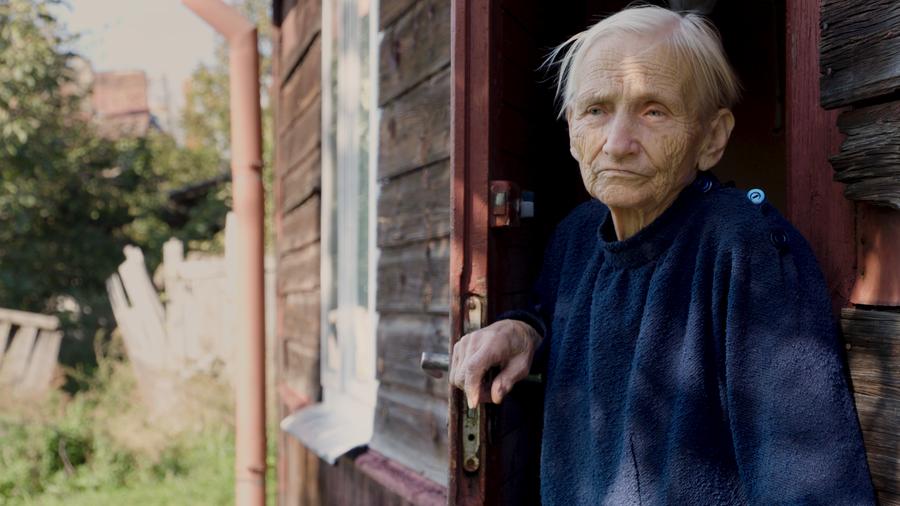
The film’s narrative is rooted in a decade-long investigation by Potash, who was inspired to create it after a 2014 visit to Gniewoszów. During his stay, he learned of the violent aftermath faced by returning Jews from an elderly local resident, who recalled that the killings occurred not during the war but in the supposed peace that followed. As Potash poignantly stated, “It was not the Germans doing the killing; it was the Poles.”
The National Broadcasting Council has opened an investigation into the documentary, which could lead to its prohibition from Polish airwaves. As this situation unfolds, many are watching closely for its implications on freedom of expression and the ongoing discourse surrounding historical narratives in Poland.
Stay tuned for updates as this story develops, and click here to sign up for our free daily newsletter.