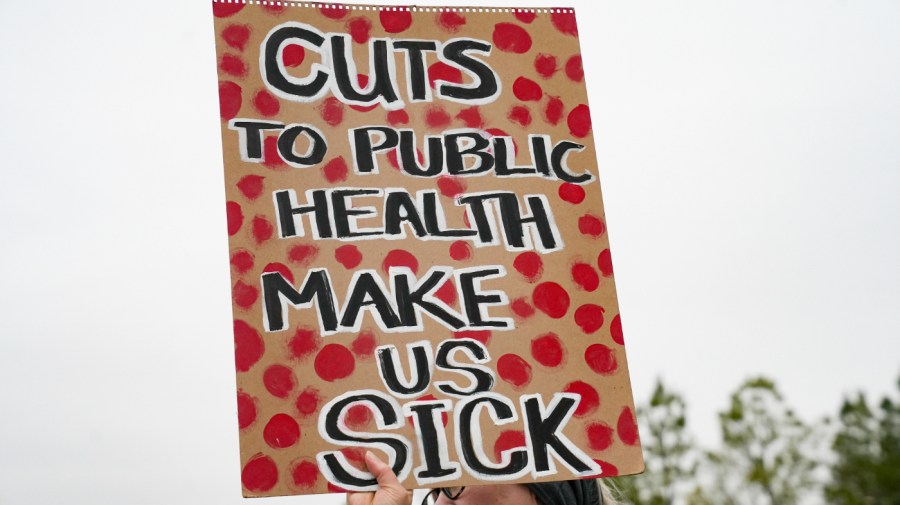
Recent budget proposals from the Public Health Administration threaten funding for essential health programs in various blue states. This move could significantly impact health outcomes not only within these states but potentially throughout the entire United States. Health officials warn that cuts to public health funding will jeopardize vital services and resources.
The proposed budget for Fiscal Year 2024 includes reductions that disproportionately affect states governed by Democratic leadership. These cuts come despite the ongoing challenges posed by public health crises, including the lingering effects of the COVID-19 pandemic. For example, funding for vaccination programs and mental health services has already faced significant reductions, which could lead to increased healthcare disparities.
Consequences of Funding Cuts
Health officials emphasize that these cuts can reverberate beyond state lines, affecting communities that rely on support from neighboring areas. Many public health initiatives are designed to operate collaboratively across regions, and any disruption can create a domino effect. For instance, the Centers for Disease Control and Prevention (CDC) has reported that vaccination rates have already declined in several affected areas, raising concerns about potential outbreaks of preventable diseases.
Furthermore, the financial impacts of these cuts are not limited to health outcomes. Reduced funding may lead to job losses among healthcare workers and public health professionals, further straining local economies. According to estimates from the National Association of County and City Health Officials, funding reductions could lead to job losses exceeding 100,000 positions nationwide.
The implications of these changes are particularly concerning given that many communities are still recovering from the economic and health impacts of the pandemic. Public health experts argue that investing in health programs is a proactive measure that ultimately saves money by preventing more severe health issues in the future.
Public Response and Advocacy
In light of these challenges, various advocacy groups have mobilized to oppose the proposed cuts. Organizations such as the American Public Health Association have called for increased investment in public health, stressing that funding should be prioritized to ensure equitable access to healthcare services. Their advocacy highlights the importance of maintaining robust public health infrastructures, especially in underserved communities.
Community leaders have also voiced their concerns. They argue that equitable health access is critical for overall societal well-being, and any reductions in funding could further entrench existing disparities. For example, some local health departments have reported that without adequate funding, they may be unable to provide essential services like maternal and child health programs, which are vital for community wellness.
As the debate continues, the potential for a broader impact grows. Cuts to public health funding are not just a fiscal issue; they represent a fundamental choice about the kind of society the nation wants to build—one that values health equity and community well-being.
In conclusion, the proposed cuts to public health funding raise significant concerns about future health outcomes in blue states and beyond. As communities grapple with the repercussions of these decisions, it is clear that robust public health funding is integral to safeguarding the health of all citizens. The consequences of these cuts may extend far beyond state lines, ultimately affecting the entire nation.