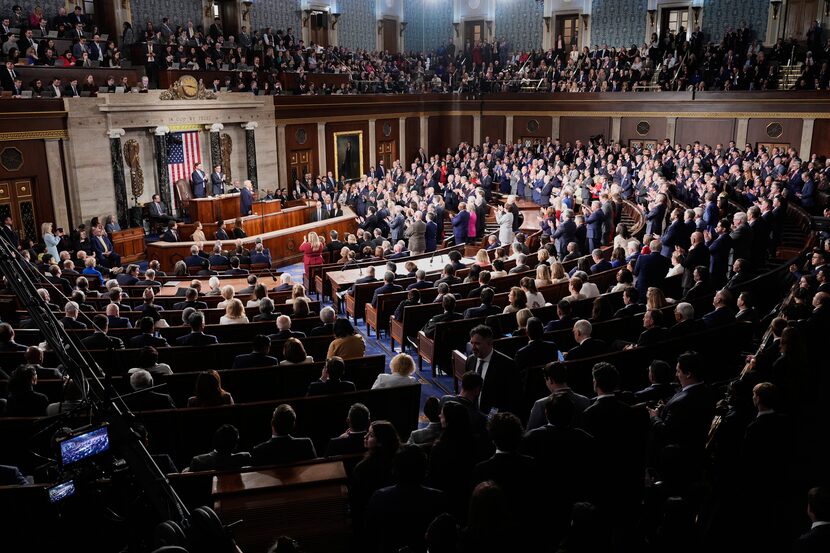
In a speech delivered on October 3, 2023, former President Donald Trump took aim at Democrats, accusing them of manipulating the term “affordability” for political gain. He argued that this shift in language is an attempt to undermine his administration’s achievements. Trump proposed a new slogan for the upcoming elections: “It’s About Affordability, Republicans!” He suggested this could serve as a reminder for voters about the importance of economic issues in the November elections.
The former president’s comments reflect a broader discourse on economic concerns that resonate with many voters. Trump’s assertion highlights a pivotal shift in political messaging as parties prepare for the 2024 elections. This change aims to redirect focus from traditional economic metrics to a more nuanced understanding of affordability within everyday life.
In a contrasting note, some audience members expressed deeper anxieties about geopolitical situations and their implications. One letter writer, William J. Kincaid from Plano, Texas, voiced concerns over Trump’s perceived connection to Vladimir Putin and his administration’s policies towards Ukraine. Kincaid, who identifies as a lifelong Republican, stated he voted for Kamala Harris in the last presidential election, driven by fears of Trump’s influence from Russian oligarchs. He emphasized his ongoing financial support for Ukraine, contributing $100 monthly to the country’s embassy in Washington, D.C.
Another correspondent, Raymond Tillman from New York, echoed Kincaid’s sentiments regarding Trump’s potential dealings with Russia. He suggested that the former president’s interests in Siberian resources could lead to detrimental outcomes for Ukraine. Tillman indicated that Trump’s actions could jeopardize Ukraine’s sovereignty, urging democracies worldwide to vocally oppose any concessions made to Russia.
While political discourse often focuses on high-stakes issues, some constituents expressed frustration with campaign strategies. Vicki Karl from Brownsboro criticized the excessive number of political flyers flooding her mailbox, deeming them an ineffective use of campaign funds. She remarked that these materials often end up discarded, and she preferred candidates who focus on substantive policy discussions rather than negative advertising.
On a different note, Joe Milligan from Campbell praised the economic analysis presented by Jim Chassen in a recent letter, encouraging readers to engage with the historical context of economic policies. Milligan appreciated the insights but also acknowledged the potential biases that can shape such discussions.
In contrast, another letter criticized Chassen’s viewpoint, arguing it failed to account for the complexities of global trade dynamics. Neal Okerblom from Dallas contended that real-world economic competition is rarely as straightforward as economic theory suggests. He expressed a desire for leadership that acknowledges these challenges rather than adhering to idealistic notions of globalization.
The wide-ranging opinions expressed in these letters highlight the diverse concerns of constituents regarding economic policies, international relations, and the effectiveness of political campaigns. As the political landscape evolves, the importance of addressing these issues continues to resonate with voters across the spectrum.
For those interested in contributing to this ongoing dialogue, letters to the editor are welcome, and guidelines can be found through the appropriate channels.